Following initial decontamination steps, what post-incident follow-up regarding skin penetration must be reviewed within 24 hours?
Answer
Reviewing tetanus vaccination status because an open wound has formed.
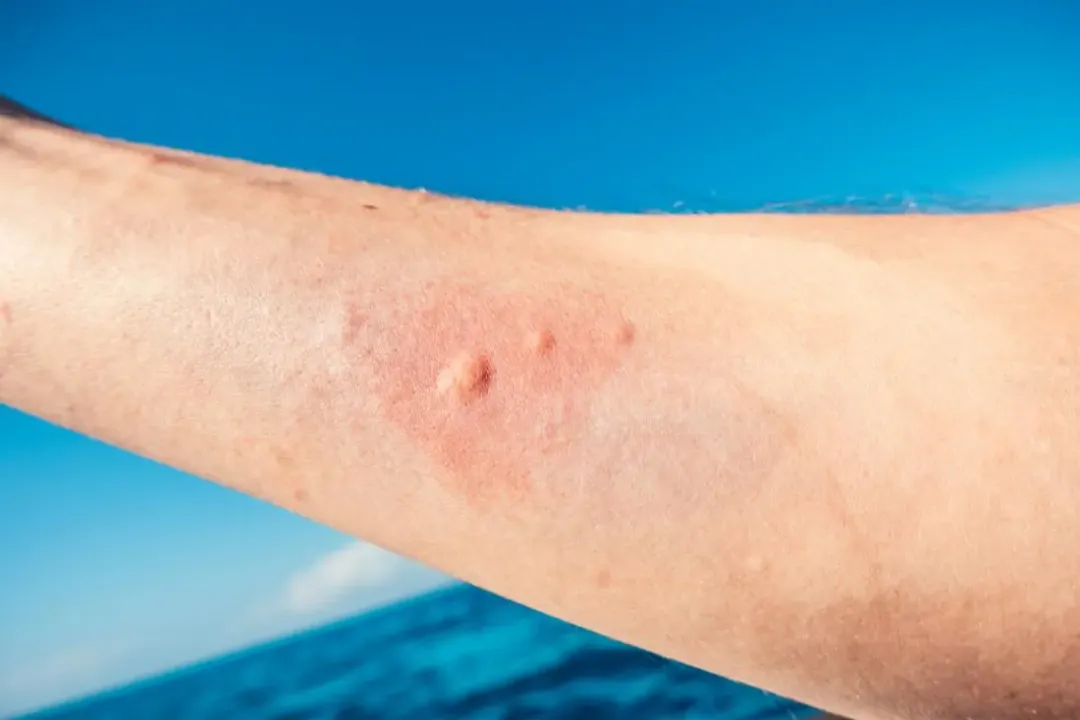
A structured approach to follow-up is necessary even after successful initial first aid, especially because a jellyfish sting involves the piercing of the epidermis by the barbed tube of the nematocyst, creating an open wound. Within 24 hours of the tentacle breaking the skin, a crucial priority is reviewing one's tetanus vaccination status. Since any open wound is susceptible to bacterial invasion and infection, ensuring adequate protection against tetanus by potentially receiving a booster shot is a standard, proactive step in thorough self-care following skin penetration injuries caused by marine life.
Related Questions
What allows nematocysts, the microscopic stingers, to continue injecting venom after contact?What is the recommended immediate rinsing agent for many common jellyfish stings to neutralize unfired nematocysts?What specific temperature range should the affected area be soaked in for heat application to effectively denature venom proteins?What severe systemic consequence is associated with the Box Jellyfish species *Chironex fleckeri* (Sea Wasp)?Why is rinsing a jellyfish sting with fresh water (tap or bottled) strongly discouraged during first aid?Which species is specifically noted as an exception where using vinegar as an initial rinse may actually worsen the sting reaction?How is the venom potency of the Irukandji jellyfish reportedly compared to the venom of a cobra?What is the recommended careful method for removing visible tentacle remnants after initial rinsing?Following initial decontamination steps, what post-incident follow-up regarding skin penetration must be reviewed within 24 hours?What immediate physical manifestation often maps the path of a jellyfish tentacle contact on the skin after the initial shock of pain?Which folk remedy is largely debunked due to inconsistent efficacy based on diet-related variability in the agent used?