What are the benefits of morning glory leaves?
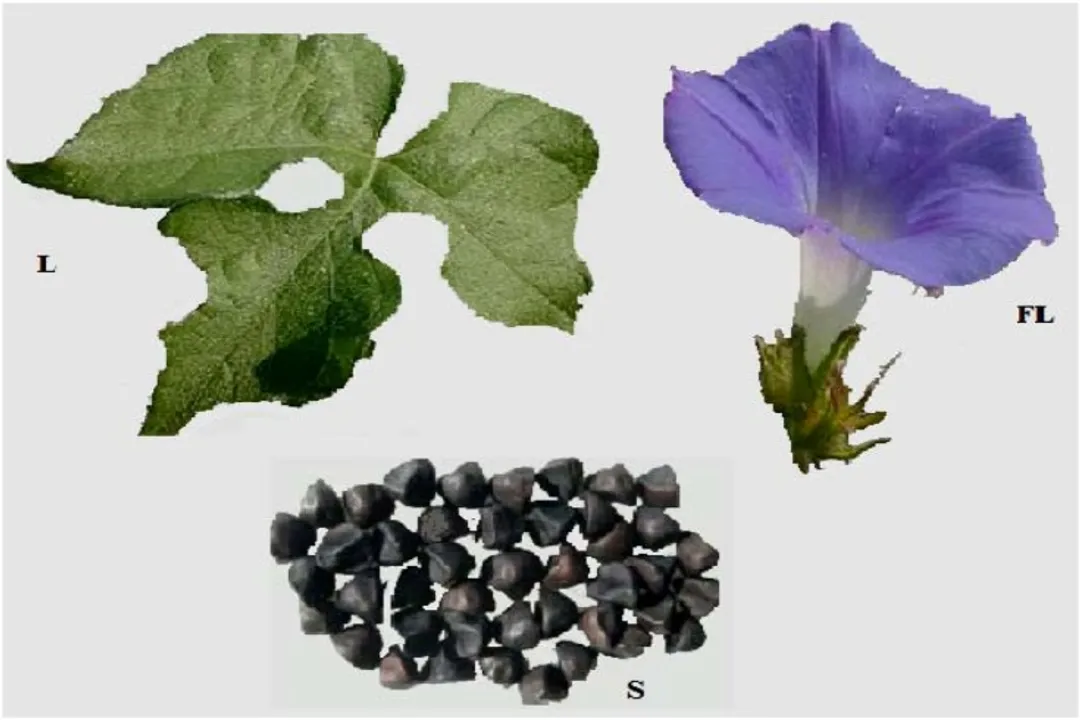
The diverse genus Ipomoea, commonly recognized by its vibrant, ephemeral flowers, holds a surprising array of traditional applications, many of which center on the leaves rather than just the more frequently discussed seeds. While many gardeners know them as vigorous climbers that can sometimes need management, various species have long been integrated into folk medicine and local diets across different cultures. Understanding the benefits attributed to the leaves requires looking closely at which specific morning glory is being referenced, as properties can vary significantly between relatives like the Ivy Leaf Morning-Glory (Ipomoea hederacea) and the Beach Morning Glory (Ipomoea pes-caprae).
# Species Comparison
The recorded uses of morning glory leaves highlight distinct roles based on the plant’s environment and traditional context. For instance, the uses documented for Ipomoea hederacea often involve preparation as a topical application or juice, whereas Ipomoea pes-caprae is noted for its physical adaptations to harsh environments and its topical anti-inflammatory uses. The general Ipomoea group also enters the conversation when discussing culinary traditions.
To bring clarity to these distinct applications, we can summarize the documented uses associated with the leaves of the two most detailed species:
| Species | Common Name | Key Leaf Characteristic/Use | Source of Benefit |
|---|---|---|---|
| I. hederacea | Ivy Leaf Morning-Glory | Juice used for eye/ear issues | Traditional medicinal application |
| I. pes-caprae | Beach Morning Glory | Anti-inflammatory poultice; thick, moisture-retaining structure | Folk medicine and ecological adaptation |
It is worth noting the observation that indigenous peoples historically utilized the dew collected from the flowers or leaves as part of their interaction with the plant's energies. This suggests a long-standing relationship with the plant's physical structures beyond just medicinal preparations of extracts.
# Traditional Applications
The preparation of Ipomoea hederacea juice appears in traditional practices targeting specific sensory organs. The juice extracted from the leaves of this species has been historically applied to treat issues within the eyes, such as inflammations, cataracts, and the presence of films over the eyes. Beyond vision, the same leaf juice was purportedly used in the ear to aid hearing and alleviate ear noises. Furthermore, the broader herb, which includes the leaves, has been deemed useful in folk practices for conditions such as edema, ascites (fluid buildup), fever, constipation, flatulence, and epistaxis (nosebleeds). While many scientific reviews focus on the seeds for their cathartic or diuretic properties, these records specifically attribute certain local remedies to the leaf component.
# Coastal Adaptations
When turning to the Beach Morning Glory, Ipomoea pes-caprae, the benefit derived from the leaves shifts from internal/topical remedy to physical survival mechanism within a challenging ecosystem. This vine is a crucial component of coastal habitats, such as those found on sandy beachfronts. Its thick, fleshy leaves are structurally evolved to excel at moisture retention, a vital trait for surviving the arid and saline conditions common to beach environments. This physical characteristic, while an adaptation for the plant, is linked to documented human uses. Traditionally, the leaves of the railroad vine have been prepared as poultices, valued for their anti-inflammatory properties. These poultices were reportedly applied externally to soothe skin irritations, including relief from jellyfish stings. The presence of compounds like flavonoids and triterpenes within the plant is believed to contribute to this noted anti-inflammatory action.
# Edible Contexts
The question of edibility within the Ipomoea genus is complex, often creating a divide between ornamental varieties and those used in traditional food systems. While some ornamental packets explicitly caution that all parts of the plant are toxic, there is a counter-narrative based on established culinary uses of related plants. Some sources indicate that the leaves, stems, and flowers of certain morning glories are consumed in some Asian cuisines, used interchangeably with sweet potato leaves. This suggests that the plant’s edibility is highly dependent on the specific species—whether it is the wild potato vine (Ipomoea pandurata) or a common field weed like Ipomoea purpurea. The potential for the roots of certain types to be eaten after thorough preparation, such as boiling in multiple changes of water, further emphasizes that consumption practices are species-specific and require careful identification.
Considering the divergence between warnings for cultivated ornamental plants and documented traditional food uses for other Ipomoea species, it underscores a need for granular knowledge. A practical approach when encountering wild morning glory leaves is to first understand their ecological context; if you find a plant aggressively colonizing disturbed, sandy areas—like the I. pes-caprae—it might possess known topical benefits, but if you are focused on consumption, consulting local ethnobotanical guides for known edible look-alikes, which often require preparation, becomes essential. The simple fact that a plant possesses properties deemed beneficial, such as anti-inflammatory qualities, does not automatically categorize all its parts as safe for ingestion across all species; it simply confirms that chemical activity exists within the plant structure.
# Healing Vibrations
While physical benefits are documented through traditional herbalism, there is also a conceptual appreciation for morning glories tied to vibrational or energetic healing. Some perspectives suggest that all plants, even those classified as weeds due to their vigorous growth, offer helpful vibrations. In this context, the morning glory, particularly its flower essence, is associated with awakening the spirit, increasing vitality, and helping to reset the body’s clock to the forces of the morning. While this does not directly relate to the leaves themselves, it speaks to the overall presence of the plant being considered beneficial—a holistic viewpoint where the plant’s physical structure, including its leaves, contributes to the perceived energetic benefit of the environment it inhabits. This idea contrasts sharply with the perspective of a homeowner battling an aggressive vine, yet both viewpoints exist within the broader discussion of the plant's value. For instance, the very vigor that causes an ornamental variety to be seen as a pest—its ability to cover steep slopes—is linked conceptually to its potential to bring joy and invite waking up, traits associated with its flower essence.
#Videos
KNOW THE MEDICINAL PROPERTIES OF MORNING GLORY
Related Questions
#Citations
Ipomea hederacea Jacq.: A Medicinal Herb with Promising ... - NIH
4 Reasons to Get to Know Morning Glories as Your Helpers
KNOW THE MEDICINAL PROPERTIES OF MORNING GLORY
Railroad vine, Beach Morning Glory; An ecological beauty
Morning glories as food - plants - Permies.com