Is it okay to leave a jellyfish sting untreated?
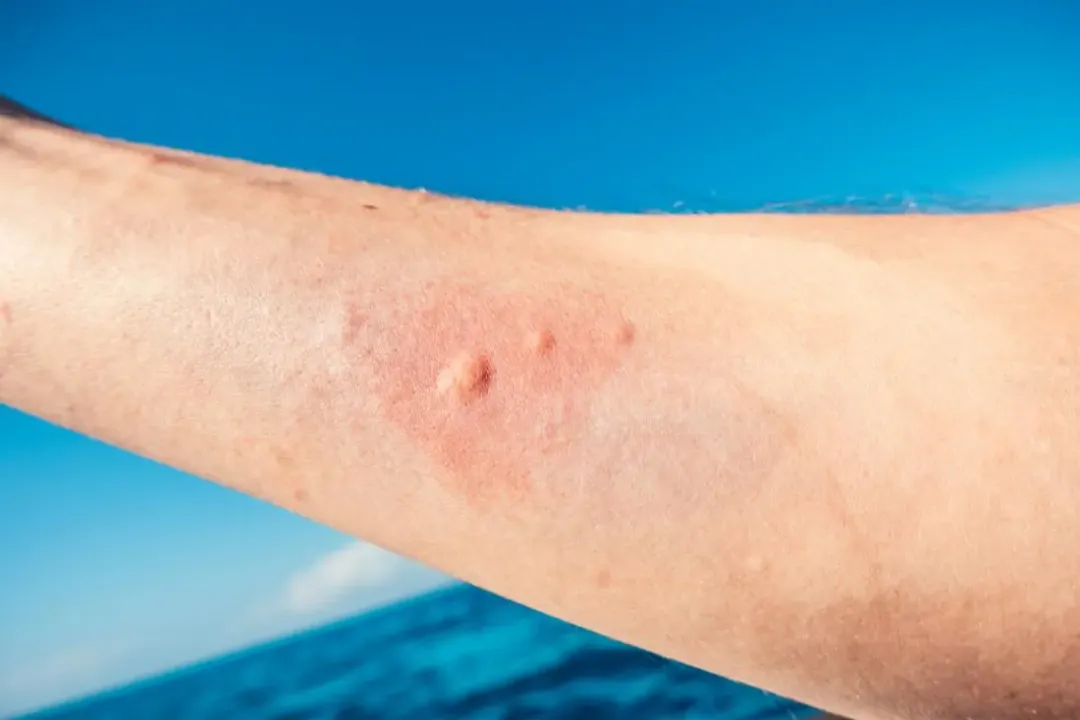
The immediate aftermath of brushing against a jellyfish tentacle is an intense shock of pain, often described as burning, stinging, or prickling on the skin. This initial discomfort, caused by thousands of microscopic, barbed stingers called nematocysts firing venom into the dermis, prompts a strong, instinctual reaction to seek relief. The core question for anyone in this situation—whether to wait it out or apply immediate first aid—has a critical dependence on which jellyfish delivered the sting. While the majority of encounters result in temporary local pain that might resolve within hours or a couple of weeks with minimal intervention, opting to ignore the sting entirely introduces unnecessary risks that range from prolonged discomfort to life-threatening systemic complications.
# Immediate Sensation
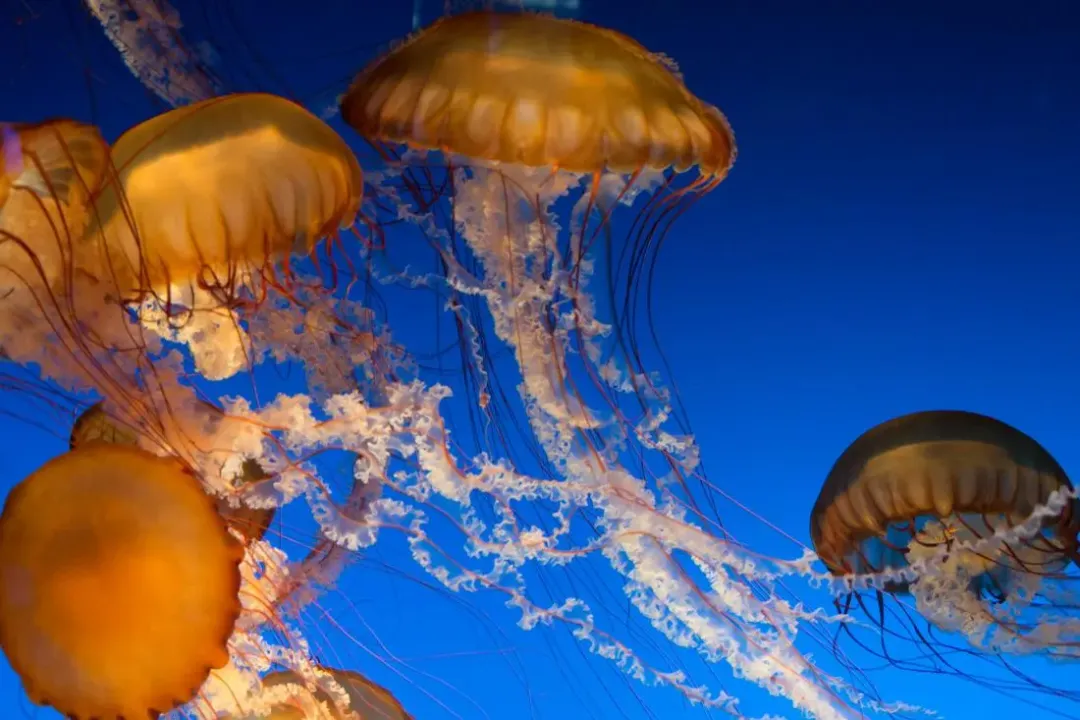
The physical manifestation of a sting usually appears quickly, often presenting as red, brown, or purplish tracks on the skin, mapping the tentacle’s path. Beyond the immediate pain, victims may experience itchiness, swelling, and a throbbing sensation that can radiate outward from the contact site. It is vital to remember that the stingers, or nematocysts, are non-living structures; this means they can continue to fire venom for a considerable time, even if the jellyfish itself is dead or if pieces of the tentacle remain physically stuck to your skin. If you are simply floating in the water, it is often impossible to identify the species instantly, making the decision to wait problematic.
# Venom Potency Variance
The consequence of delaying treatment hinges entirely on the creature involved. Ocean waters host nearly 2,000 species of jellyfish, and while many are largely harmless, some possess venom potent enough to cause severe illness or fatality. Species like the common Sea Nettle (Chrysaora quinquecirrha) typically cause localized rashes, though severe contact can lead to muscle cramps or breathing difficulty. In contrast, species like the Portuguese Man-of-War (Physalia physalis), though technically not a true jellyfish, often cause intense, whip-like welts and can lead to systemic issues, including fever, shock, and impaired heart or lung function.
The most serious category involves the Box Jellyfish (Cubozoa). Species like Chironex fleckeri (Sea Wasp) are among the most lethal creatures globally, capable of causing cardiovascular collapse within minutes. Even less visibly threatening types, such as the Irukandji jellyfish, deliver venom reputedly over 100 times more powerful than a cobra's, leading to delayed, agonizing symptoms known as Irukandji syndrome hours after the initial, often mild sting. For these dangerous species, leaving the sting untreated elevates the risk of death substantially. If you are swimming in waters where these species are known to exist—often tropical regions like Northern Australia, Hawaii, or parts of the Caribbean—treatment should never be delayed while you "wait and see".
# Physical Mechanism
To appreciate the necessity of prompt first aid, it helps to understand the sting mechanism. Nematocysts are essentially microscopic spring-loaded harpoon guns. When triggered by physical contact, internal pressure—sometimes reaching 2,000 psi—forces a coiled, barbed tube into the skin, injecting venom. This venom is a complex chemical cocktail that can include neurotoxic peptides, designed to quickly immobilize prey. Because this firing mechanism is mechanical, it continues as long as the nematocyst is stimulated or until the venom sac is depleted. This ongoing venom delivery is why simply wiping the area or leaving the tentacles on the skin is detrimental.
# Initial Action Steps
If you suspect a sting, the immediate priority is to safely exit the water to prevent secondary stings or drowning if systemic symptoms begin. After ensuring safety, the goal of first aid becomes twofold: stop the unfired stingers from injecting more venom, and treat the existing venom effects.
The consensus favors using vinegar (acetic acid) for rinsing many common stings, as it effectively neutralizes unfired nematocysts, essentially keeping the barbs from deploying. If you know the species and it is not identified as a Portuguese Man-of-War (where vinegar may worsen the sting), 30 seconds of generous rinsing with household vinegar is recommended. However, if you are stung in an unfamiliar location, or if vinegar is unavailable, rinsing with seawater is the safer general fallback action. Crucially, never rinse with fresh water (tap or bottled), as the osmotic difference triggers remaining stingers to fire a fresh dose of venom.
Once rinsed, any visible tentacle remnants should be removed. This must be done carefully, using tweezers or a gloved hand, rather than scraping aggressively with a hard object like a credit card, which can prematurely discharge still-active stingers. Some sources suggest applying a paste of baking soda and seawater for stings like the Portuguese Man-of-War, though this recommendation is less universal than vinegar or seawater rinsing.
The next step targets pain relief: heat application. Soaking the affected area in water between and ( to ) for 20 to 40 minutes has proven effective for denaturing the venom proteins and significantly reducing pain. Heat is generally regarded as superior to cold packs for this purpose. Following the hot soak, topical treatments like cortisone or antihistamine creams can manage residual itching and inflammation.

# Comparing Treatment Efficacy
The scientific literature provides helpful comparisons on what works and what doesn't, particularly regarding folk remedies. The popular suggestion of using human urine is largely debunked; urine's pH varies widely based on diet, meaning it might occasionally work by chance, but often it does nothing, and in some cases, it may even intensify the pain by causing more venom release. Similarly, remedies like meat tenderizer or alcohol are generally not recommended, although some anecdotal evidence suggests meat tenderizer might help denature the protein venom. The lesson here is that effective, rapid neutralization of unfired nematocysts is key, and only specific chemical agents like vinegar reliably achieve this for broad categories of stings.
# Post-Incident Progression
If a sting is truly minor—perhaps from a jellyfish with very weak venom, such as the common Aurelia seen in some North American waters—the pain may subside within an hour or two, leaving behind only slight marks. In these isolated, mild cases, letting the initial discomfort pass might not lead to serious long-term health issues, though discoloration can linger for weeks or months.
However, even when severe symptoms do not manifest immediately, forgoing treatment allows secondary complications to take hold. The biggest concern for minor stings left alone is a local secondary infection, often introduced by scratching the site or by leaving venom-laden nematocyst material embedded in the skin, which can lead to increased pain, fever, or pus formation. Persistent skin changes, including scarring or chronic itchiness, are also more likely outcomes if the initial tissue damage is not managed.
For travelers or locals unfamiliar with the marine biology of their current location, there’s an added layer of risk assessment. When you are stung, you must rapidly move from assessing the immediate pain to considering systemic risk. In areas where highly venomous species are known—even if you suspect you were stung by a common sea nettle—seeking medical evaluation is a proactive safety measure. This is especially true if symptoms worsen or if the affected area is the face, eyes, or genitals.
This leads to a crucial point about preparedness that goes beyond the initial rinse: when operating in environments known for severe marine life, one should always inquire about local safety protocols, as some locations mandate wearing protective "stinger suits" during peak seasons. The decision to treat or not treat must be tempered by this geographic awareness.
# Structured Follow-Up
Even after successfully rinsing and applying heat, there is a structured approach to ensure no issues arise, an approach that often distinguishes casual beach first aid from thorough self-care. If you choose to manage a less severe sting at home, implementing a clear monitoring process is prudent.
- Tetanus Status Check: Any time a jellyfish tentacle pierces the skin and breaks the epidermis, it creates an open wound susceptible to bacterial infection. Reviewing your tetanus vaccination status should be a priority within 24 hours, as a booster may be necessary.
- Infection Watch: For the next couple of days, diligently check the site for signs of bacterial invasion. This includes rapidly worsening pain, increased swelling, the appearance of streaks radiating from the wound, or the onset of fever.
- Symptom Reassessment: Monitor for delayed systemic effects. While most severe reactions are rapid, conditions like Irukandji syndrome can appear hours later. Persistent symptoms like headache, nausea, or generalized malaise warrant a call to poison control or a doctor's visit.
Refusing treatment means foregoing this structured monitoring, leaving you unprepared for complications like delayed dermatitis or neuropathic pain that can linger for months in a minority of cases. While the short-term outcome for most mild stings may be acceptable without intervention, neglecting the simple steps of washing, deactivating stingers, and applying heat maximizes your chance of a quick, uncomplicated recovery and minimizes the chance of secondary skin issues or prolonged discomfort. In essence, while life-threatening stings demand immediate emergency response, no sting should be entirely untreated due to the risk of residual nematocysts and subsequent infection.
Related Questions
#Citations
[PDF] Stung by a jellyfish? It's extremely painful, but in most cases, doesn't ...
What would happen if a jellyfish sting is left without treatment? Can it ...
Jellyfish sting: Treatment and first aid - Medical News Today
Jellyfish stings - Symptoms and causes - Mayo Clinic
What To Do If Stung By A Jellyfish - Orange Beach - OBA
Jellyfish Stings - UF Health
Jellyfish Stings | Nemours KidsHealth
Jellyfish stings: MedlinePlus Medical Encyclopedia
Jellyfish: A Pain at the Beach - Poison Control