How do you treat a man o' war sting?
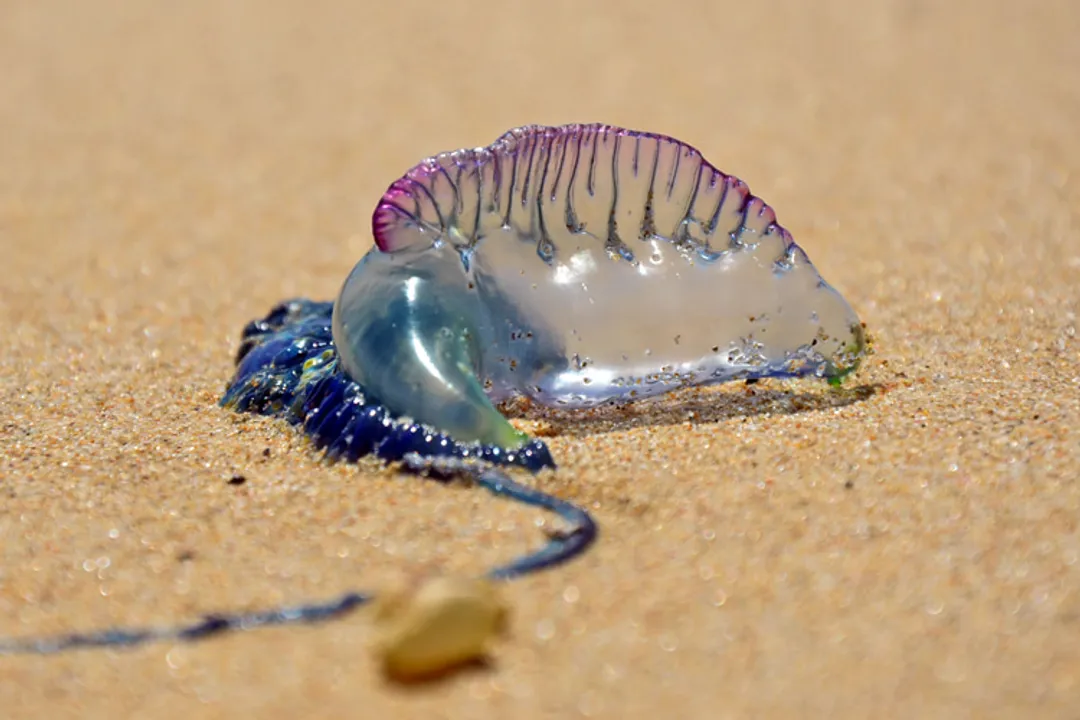
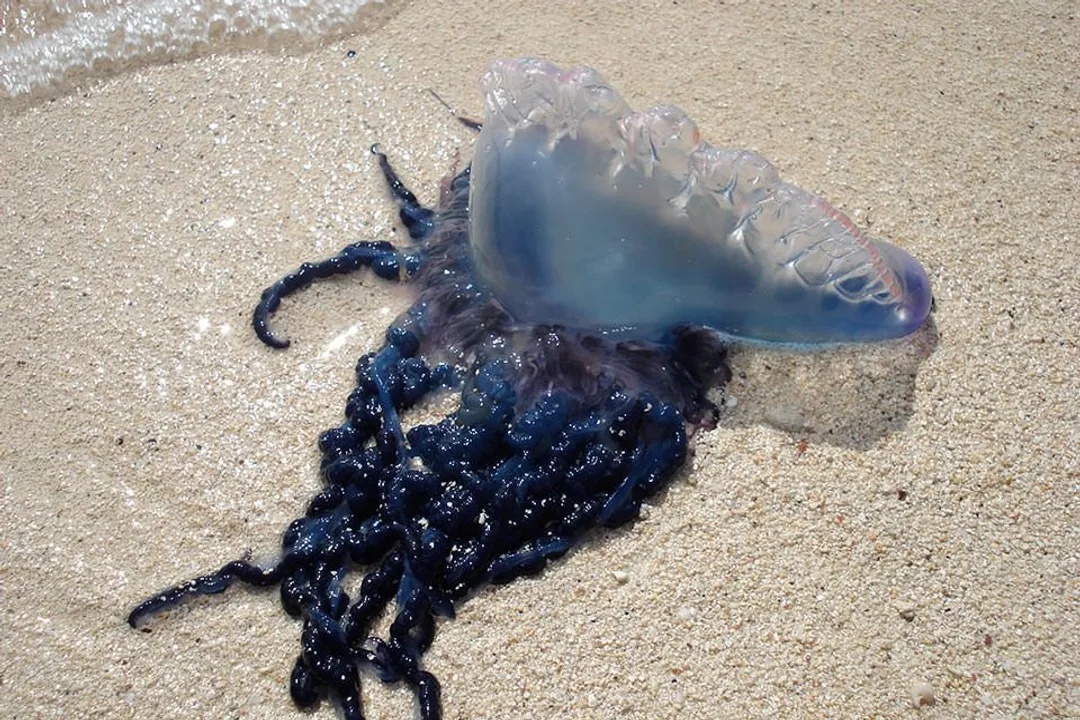
Encountering a Portuguese Man o' War, often mistakenly called a jellyfish, leaves behind a painful reminder, as its tentacles can inflict severe stings even after the creature itself has washed ashore or detached. [7] These creatures, technically siphonophores, possess specialized stinging cells called nematocysts capable of injecting venom upon contact. [7] The immediate aftermath requires a cool head and adherence to specific first-aid steps to minimize pain and further envenomation.
# Initial Contact

The initial sensation from a Man o' War sting is often described as sharp, burning, and intensely painful. [7] Recognizing the source quickly is crucial because the tentacles, which can trail many feet behind the main body, may have already deposited venom across a wide area of skin. [1][7] What you do in the first few minutes dictates the subsequent level of discomfort and recovery time. It is vital to get out of the water immediately to prevent further contact with the organism or its trailing filaments. [2]
# Rinse Myths
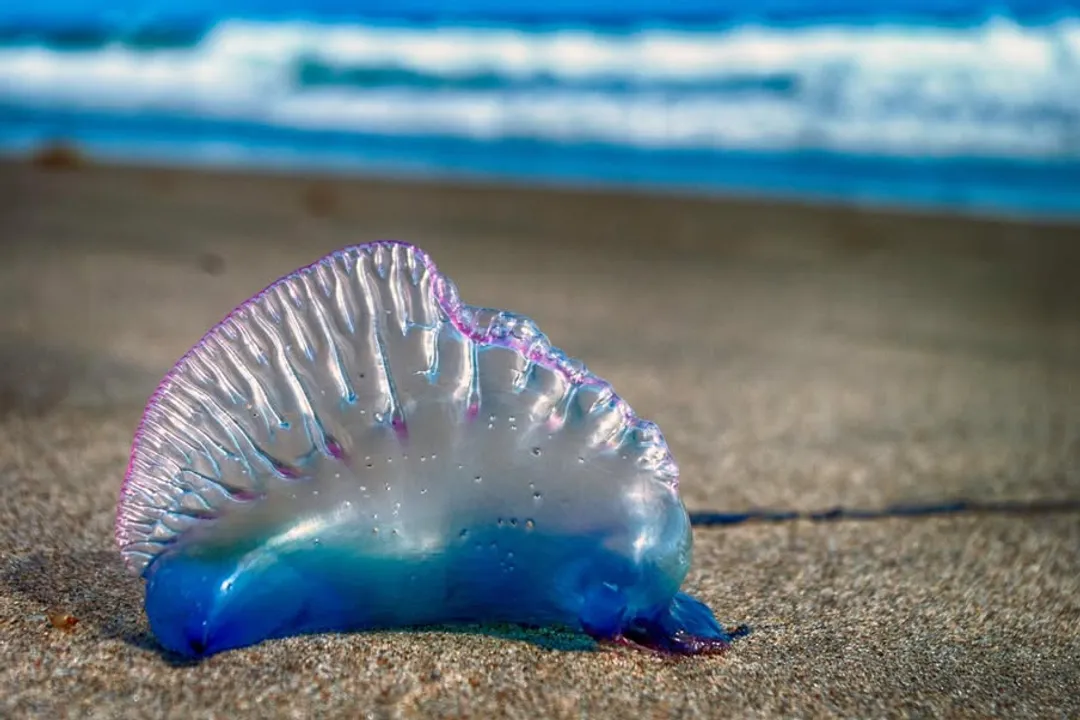
A significant part of effective first aid involves knowing what not to do, as several common instincts can worsen the situation by causing any remaining, unfired nematocysts to discharge their venom. [3] The most critical advice across several expert sources is the absolute avoidance of fresh water, alcohol, and, perhaps most famously, urine. [2][3][5][10] Rinsing with fresh water or applying alcohol causes an osmotic shock to the stinging cells, triggering massive venom release. [2][3] Similarly, the anecdotal suggestion of using urine is strongly discouraged; it should not be applied to the wound. [5][10]
Instead, the goal is stabilization and gentle removal of surface irritants. If possible, rinsing the area with seawater is recommended to wash away larger debris without triggering more venom. [3][5] Some established protocols also point toward using vinegar (acetic acid) as a rinsing agent if available, as it has been shown to effectively inactivate the stinging cells of many jellyfish species, preventing further envenomation. [3][7][10] However, research continues to scrutinize the universal application of vinegar across all species, noting that for the Man o' War specifically, the main battle is often pain management once the tentacles are addressed. [1] A practical approach in a remote coastal setting, absent immediate access to vinegar, is to use seawater for the initial flush, prioritizing the subsequent heat treatment as the primary analgesic step. [3][5]
# Stinger Removal
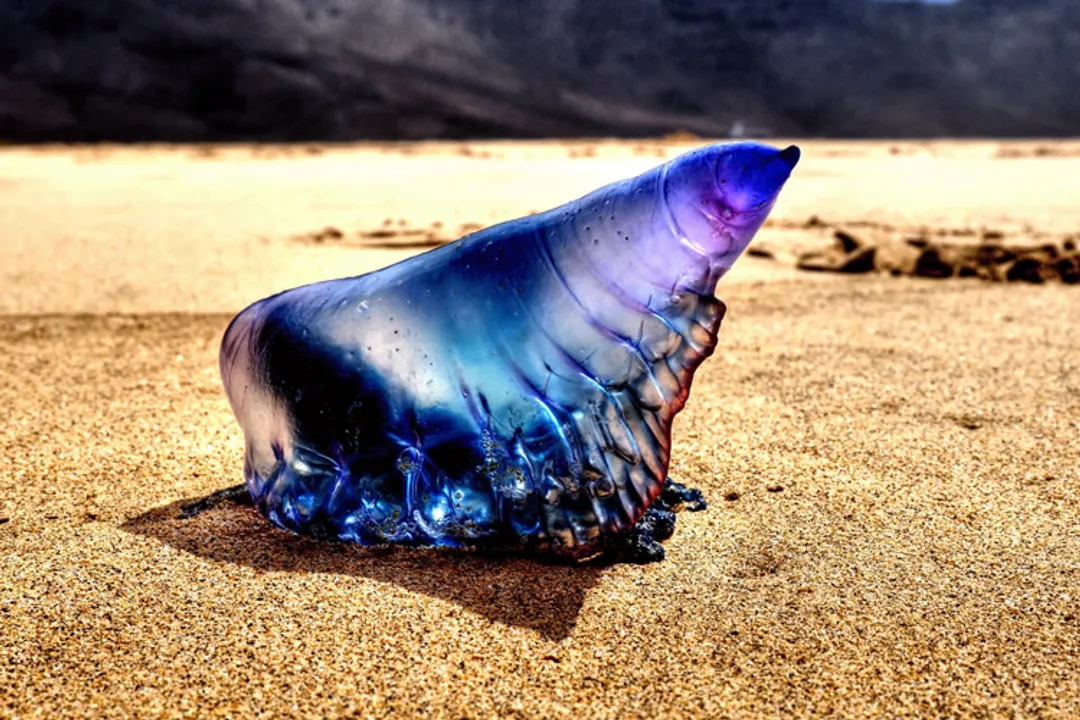
Once the area has been rinsed, the next step focuses on physically removing any visible stingers or tentacles clinging to the skin. This must be done with extreme care to avoid contact with your own skin or eyes. [2] Never rub the affected area with a towel or hand, as this mechanical action can also fire off the remaining venom capsules. [5]
The recommended tools for this delicate extraction include tweezers or using a gloved hand, effectively creating a barrier between you and the venomous filaments. [2][3] If tweezers are unavailable and you must use your hands, ensuring they are thoroughly protected, perhaps with a thick layer of cloth or gloves, is paramount. While one source focuses on using tweezers or gloved hands, [2][3] it’s worth noting that for a quick, localized sting where only a few fine threads are visible, gently scraping the area after a thorough vinegar rinse might be considered by some, though the use of mechanical tools remains the safest general advice for larger infestations. [7]
If you are dealing with a large expanse of tentacles across your body, you might consider pre-treating the area with a commercial sting treatment product, such as those marketed specifically for bluebottle stings, which aim to neutralize the cells before manual removal. [6] Yet, these specialized topical treatments should supplement, not replace, the core steps of rinsing and heat application.
# Heat Therapy
After the nematocysts are deactivated (ideally with vinegar) and the visible tentacles are removed (with tweezers or gloved hands), the focus shifts entirely to managing the intense pain. [7] This is where the most consistent and highly recommended treatment comes into play: immersion in hot water. [2][5]
The goal is thermal denaturation of the venom proteins. The affected limb or area should be soaked in water that is as hot as the person can tolerate without causing a burn, often cited as aiming for temperatures around 113°F or 45°C. [2] This immersion should be maintained for a duration of 20 to 45 minutes. [2] Studies examining first aid efficacy suggest that this prolonged heat exposure is highly effective for pain reduction following several types of marine stings, making it the cornerstone of post-tentacle treatment for the Man o' War. [1][7]
When applying heat, it's useful to monitor the pain level relative to the water temperature. If you can keep the water temperature consistent—perhaps by adding hotter water periodically while maintaining a safe immersion—you will likely see the sharp, immediate burning sensation subside into a duller ache over the soak time. [2] This contrasts slightly with general jellyfish protocols, where cold packs are sometimes mentioned after initial care, but for the severity of a Man o' War sting, heat therapy takes precedence for the acute pain phase. [3]
As a point of practical preparedness, especially if you frequent waters known for these siphonophores, carrying a reliable thermos of near-boiling water and a pair of good quality tweezers in your beach bag is an actionable step that significantly shortens the time between injury and effective treatment, potentially preventing hours of intense suffering while waiting for medical attention. [1][2] This preparation recognizes that while seawater rinsing is fine, immediate access to controlled heat is what truly controls the clinical symptoms.

# Medical Review
While many stings can be managed effectively with the home-care protocol described above—seawater/vinegar rinse, tentacle removal, and prolonged hot water immersion—certain symptoms mandate professional medical evaluation. [7] Severe reactions are less common than the localized pain, but they do occur.
If the person stung experiences systemic effects such as difficulty breathing, severe muscle spasms, nausea, vomiting, or signs of a generalized allergic reaction, emergency medical services should be contacted immediately. [7] Even without systemic signs, if the pain remains excruciating despite 45 minutes of effective hot water treatment, or if the sting covers a very large area, it is prudent to seek clinical assessment. [1] Furthermore, if the affected skin shows signs of deep infection—increased redness, swelling, warmth, or pus formation—in the days following the initial injury, a doctor should be consulted to ensure secondary bacterial issues are addressed. [4] The initial pain can last a considerable time, but any worsening of symptoms past the first 24 hours warrants professional inspection.
#Videos
The best way to treat Man o' War and Box Jelly stings - YouTube
Related Questions
#Citations
SOEST scientists scrutinize first aid for man o' war stings
How to treat a Portuguese man-of-war sting - SurferToday.com
Jellyfish Sting: Symptoms & Treatment - Cleveland Clinic
Man o War got me bad yesterday. Any healing suggestions? - Reddit
Portuguese Man o' War: What to Do if You are Stung
Sting Away Blue Man-of-War Sting Treatment 8 oz - Amazon.com
Portuguese Man-of-War (Bluebottle) - Divers Alert Network
The best way to treat Man o' War and Box Jelly stings - YouTube
Portuguese man-of-war sting treatment steps - Facebook
Urine Luck: Vinegar Is the Best Treatment for a Man O' War Sting