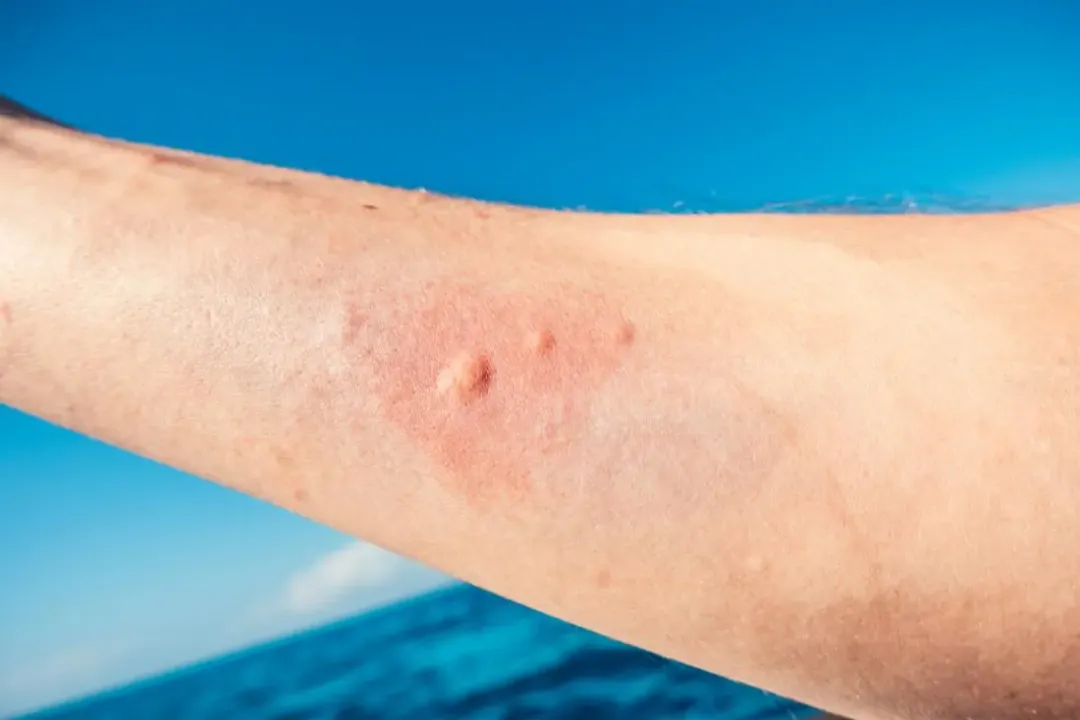
What allows nematocysts, the microscopic stingers, to continue injecting venom after contact?
Their firing mechanism is mechanical and continues until the venom sac is depleted or stimulated.
Nematocysts function fundamentally as microscopic, spring-loaded harpoon guns. When triggered by physical contact, an internal pressure, which can reach up to 2,000 psi, forces the coiled, barbed tube into the skin to inject venom. Because this deployment mechanism is entirely mechanical rather than reliant on external factors or continuous physical contact, the venom delivery process persists as long as the individual nematocyst remains stimulated or until its internal venom sac is completely emptied. This mechanical nature explains why leaving tentacle pieces stuck on the skin is highly detrimental, as they continue to inject toxins into the dermis.