How do high levels of cortisol affect the menstrual cycle?
Answer
It can delay ovulation and lengthen the cycle
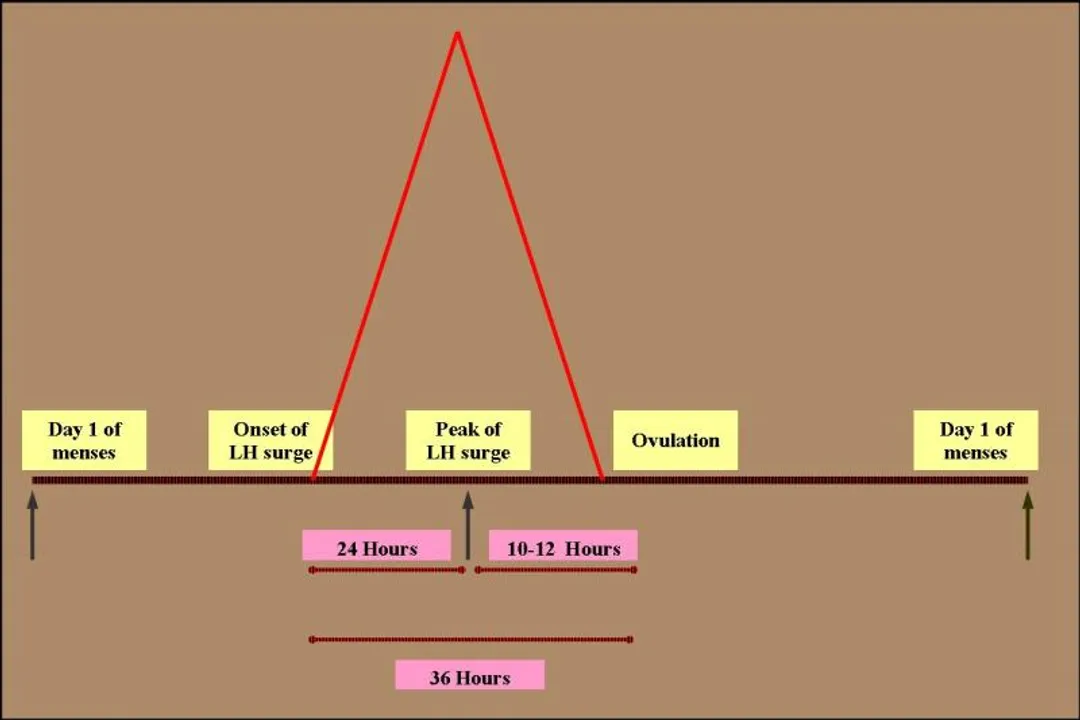
High levels of cortisol, often associated with stress, interfere with the hormonal signals required for ovulation. When ovulation is delayed, the body takes longer to reach the next phase of the cycle. This shift in the timing of ovulation effectively stretches the entire cycle, often resulting in a later period than usual because the hormonal processes have been disrupted by the stress response.
Related Questions
What is considered a healthy menstrual cycle length for most adults?Which phase of the menstrual cycle is responsible for the most variation in cycle length?Approximately how long does the luteal phase typically last?How do high levels of cortisol affect the menstrual cycle?What range is common for menstrual cycles during adolescence as the body adjusts?What is defined as amenorrhea in the context of menstrual health?Why do many users of hormonal birth control experience a predictable 28-day pattern?Which symptom indicates a potential need for medical attention regarding menstrual flow?What is recommended to track alongside cycle length to better understand personal health?What happens to menstrual cycles during the transition to menopause known as perimenopause?