cycle articles
What is considered a healthy menstrual cycle length for most adults?
Which phase of the menstrual cycle is responsible for the most variation in cycle length?
Approximately how long does the luteal phase typically last?
How do high levels of cortisol affect the menstrual cycle?
What range is common for menstrual cycles during adolescence as the body adjusts?
What is defined as amenorrhea in the context of menstrual health?
Why do many users of hormonal birth control experience a predictable 28-day pattern?
Which symptom indicates a potential need for medical attention regarding menstrual flow?
What is recommended to track alongside cycle length to better understand personal health?
What happens to menstrual cycles during the transition to menopause known as perimenopause?

What is considered the standard healthy range for an adult menstrual cycle?
What term is used to describe menstrual cycles that are shorter than 21 days?
What defines amenorrhea when excluding pregnancy, breastfeeding, or menopause?
How do menstrual cycles typically behave during the initial years after menarche?
How does high cortisol from stress impact the functioning of the menstrual cycle?
Why is Polycystic Ovary Syndrome (PCOS) commonly associated with cycle irregularity?
What specific role does adipose tissue play in regulating the menstrual cycle?
How should a menstrual cycle be accurately measured and calculated?
What happens to the menstrual cycle during the transition into perimenopause?
Which blood tests are frequently used to identify the causes of cycle deviations?

What event officially starts the entire menstrual cycle?
Which two reproductive hormones primarily orchestrate the four main menstrual cycle phases?
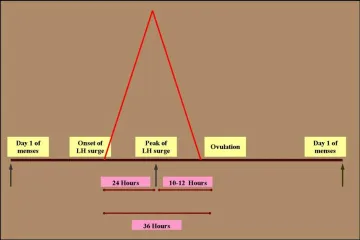
What hormonal event immediately precedes and triggers the rupture of the dominant follicle during ovulation?
What is the typical duration, often around 14 days, for the luteal phase, the time between ovulation and the next period?
Which of the four primary menstrual cycle phases is generally considered the most variable in length across different cycles?
What specific range, in days, defines a cycle length considered normal for most adults?
What is the typical range of days that the phase known as menstruation (bleeding) usually lasts?
If fertilization does not occur, what happens to the corpus luteum after approximately ten to fourteen days?
How can being significantly underweight, affecting Body Mass Index (BMI), potentially disrupt the regular cycle?