What is the normal period cycle day?
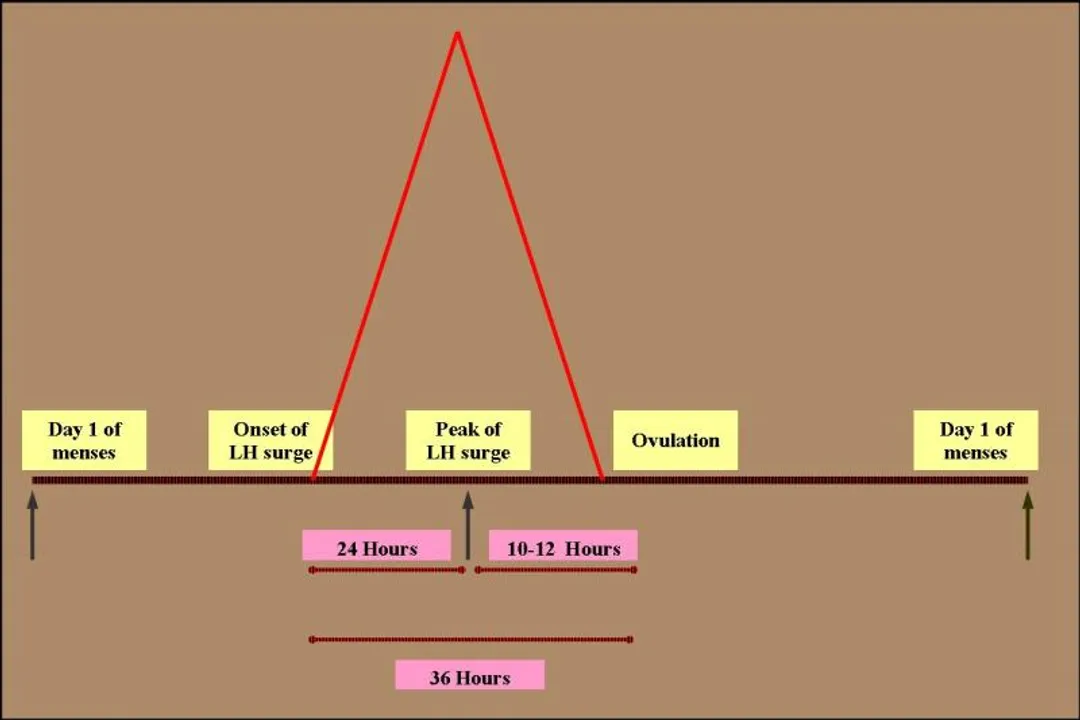
Many people assume that a menstrual cycle should last exactly 28 days, acting like a clockwork mechanism that marks the month. This widespread belief often causes unnecessary anxiety when a cycle arrives early, stays late, or skips a beat entirely. In reality, the "28-day cycle" is merely a statistical average, not a universal requirement for health. [1][8] Most individuals experience cycle lengths that fluctuate, and what constitutes a "normal" range is significantly broader than common myths suggest. [8]
Understanding your own rhythm requires shifting the focus from hitting an arbitrary target number to recognizing your personal pattern. A cycle is measured from the first day of bleeding in one period to the first day of bleeding in the next. [2][7] For most adults, a cycle that falls anywhere between 21 and 35 days is considered perfectly healthy. [1][10] If your cycle consistently lands within this window, your body is likely functioning within the expected range, even if it is not 28 days long. [6]
# Cycle Phases

The menstrual cycle is a sophisticated, hormone-driven process that repeats in predictable phases, though the duration of these phases can shift. It is generally divided into three main parts: the follicular phase, ovulation, and the luteal phase. [2][9] Understanding these helps explain why cycle lengths can vary from person to person.
The follicular phase begins on the first day of your period. This is when the body prepares to release an egg. This phase is often the most variable part of the cycle; it can be short or long depending on how quickly the follicles in your ovaries mature. [9] Because this phase dictates the timing of ovulation, it is the primary driver of whether your cycle is on the shorter or longer end of the 21-35 day spectrum. [2]
Ovulation usually occurs in the middle of the cycle, triggered by a surge in hormones. This is the release of the egg from the ovary. [2] Following ovulation, the luteal phase begins. This phase is remarkably consistent compared to the follicular phase, typically lasting about 14 days. [2][9] If pregnancy does not occur, hormone levels drop, the uterine lining sheds, and a new period begins. [2]
# Age Factors

Menstrual patterns are rarely static throughout a lifetime. Age is one of the most influential factors in determining cycle length and regularity. [4] During adolescence, it is very common for cycles to be erratic, frequently ranging between 21 and 45 days as the body adjusts to new hormonal signals. [1][6] It can take several years for a teenager's cycle to settle into a more predictable rhythm. [3]
As you move into your 20s and 30s, cycles often become more consistent. [3] However, as you approach the transition to menopause, known as perimenopause, cycles often become shorter or highly irregular again. [3][5] This volatility is a natural part of the hormonal changes that precede the end of fertility. Research suggests that while averages remain a useful benchmark, the definition of "normal" should be flexible enough to account for these life stages. [4]

# Tracking Tips
Because "normal" is a personal baseline rather than a universal number, tracking is the most effective way to understand your unique physiology. Using a period tracking app or a paper calendar can provide you with data to share with a healthcare provider, should you ever need to discuss your cycle.
Instead of only marking the days you bleed, try to log the following indicators to gain a clearer picture of your health:
- Flow Intensity: Record whether your flow is light, moderate, or heavy, and note the use of any products.
- Energy Levels: Observe if you feel fatigued or unusually energetic during specific weeks of your cycle.
- Physical Sensations: Log symptoms like bloating, breast tenderness, or headaches.
- Emotional Shifts: Note any significant changes in mood or focus, which are often tied to hormonal fluctuations.
By looking at these markers alongside your cycle length, you can identify if a change in cycle duration is accompanied by other symptoms. For example, a sudden, one-off change in cycle length is usually not a cause for alarm, but a sustained change over several months may warrant a conversation with a doctor. [1][5]
# Cycle Variability
Even for people with regular cycles, life events can interrupt the pattern. Stress is a significant factor; high levels of cortisol, the body’s primary stress hormone, can interfere with the hormones responsible for triggering ovulation. [5] When ovulation is delayed, the entire cycle effectively stretches, leading to a later period. [9]
Body weight and exercise levels also play a role. Being underweight, significantly overweight, or engaging in extreme physical training can disrupt the hormonal balance required for regular cycles. [4][5] If your body is under physical stress, it may essentially pause ovulation to conserve energy, resulting in a missed or late period. [9]
Another factor is hormonal birth control. Methods like the pill, patch, or ring often create a "withdrawal bleed" rather than a true period. These cycles are often regulated by the medication itself, which is why users often experience a highly predictable 28-day pattern, even if their natural cycle would be different. [7]

# Warning Signs
While variability is common, there are specific patterns that should prompt a check-up. If your cycle consistently falls outside the 21-35 day range, or if you experience significant changes in your bleeding patterns, it is worth consulting a professional. [1][10]
Key indicators that you should seek medical advice include:
- Amenorrhea: This is the absence of a period for three consecutive months, provided you are not pregnant. [1]
- Sudden Changes: If your cycles were previously regular and suddenly become highly erratic without an obvious cause like stress or new medication. [1][5]
- Heavy Bleeding: If you are soaking through a pad or tampon every hour for several hours, this requires medical attention. [10]
- Severe Pain: While mild cramping is normal, debilitating pain that prevents you from going about your day is not considered a typical part of the menstrual cycle. [7]
When visiting a doctor, arrive prepared with your logged data. If you have kept a digital or paper record, it is often more useful to show them the trend over the last six months rather than trying to describe it from memory. The more concrete information you can provide regarding the duration, flow, and associated symptoms, the more effectively a provider can determine if your cycle is healthy or if further investigation is needed. [1]
# Personal Patterns
To determine if your cycle is normal, calculate your average over the last six months. If your cycle is 26 days one month, 29 days the next, and 27 days the third, you are well within the range of normal variation. [1][10] We often get caught up in the idea of a fixed calendar month, but our bodies rarely follow a grid.
Consider creating a simple table for yourself to spot your own trends:
| Cycle Identifier | Length (Days) | Notable Symptoms |
|---|---|---|
| Cycle A | 27 | Mild cramps, low energy |
| Cycle B | 29 | No symptoms |
| Cycle C | 26 | Breast tenderness |
| Cycle D | 31 | High energy |
This type of personal data collection removes the pressure to conform to a theoretical "28-day" standard. It allows you to focus on your internal patterns. If you consistently land in the 21 to 35-day range, you can feel confident that your system is operating as it should, regardless of whether you hit the precise mark that others talk about. Recognizing that your body has its own timeline is a key part of maintaining long-term health and reducing the stress that often accompanies fluctuations. [1]
Related Questions
#Citations
Menstrual cycle: What's normal, what's not - Mayo Clinic
Menstrual Cycle (Normal Menstruation): Overview & Phases
What is a normal period cycle in your 20s, 30s and 40s? - Allina Health
how menstrual cycles vary by age, weight, race, and ethnicity
Why is My Menstrual Cycle Getting Longer? - Nevada Fertility Center
Is a 35-45 day menstrual cycle normal? - Vinmec
Normal Menstrual Cycle - Cigna Healthcare
The 28-Day Cycle Is a Myth: Here's What You Need to Know
The Normal Menstrual Cycle and the Control of Ovulation - NCBI - NIH
Normal Period: Timing, Flow, Symptoms, and Tracking - WebMD