What combination of physical and hormonal factors during pregnancy contributes to relaxing the Lower Esophageal Sphincter (LES)?
Answer
The growing uterus putting physical pressure and hormonal changes relaxing the LES
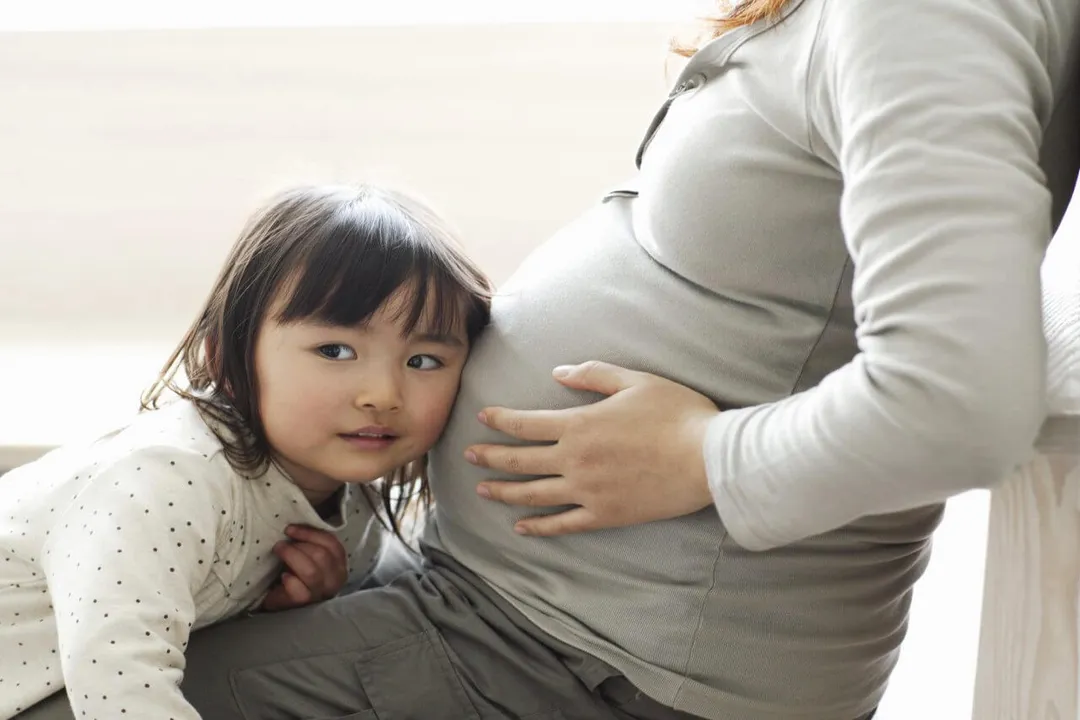
The development of acid reflux symptoms during pregnancy is attributed to a dual mechanism involving both physical mechanics and internal chemical changes. Physically, as the uterus expands during gestation, it exerts increasing downward pressure onto the stomach. Concurrently, pregnancy involves significant hormonal shifts, which include the effect of hormones causing the lower esophageal sphincter (LES) to relax. This combination—physical upward pressure from the uterus and chemical relaxation of the valve—creates an environment highly conducive to stomach acid refluxing into the esophagus.
Related Questions
What temperature of water is generally considered a safe default choice for managing reflux during pregnancy?What property of fresh ginger root infusion helps manage reflux symptoms, besides its use for nausea?How does Chamomile tea reportedly aid in reducing reflux severity during pregnancy?Why is skim milk generally preferred over whole milk when seeking temporary relief from acid reflux?Which specific juice type is high on the list of beverages to avoid due to acidity irritating a sensitive esophagus?How do carbonated drinks like seltzer physically contribute to forcing acid back into the esophagus?What specific pharmacological action does caffeine have that makes coffee and caffeinated teas reflux culprits?What is the recommended delay period after finishing a meal before consuming a larger volume of fluids?Beyond icy drinks, why should piping hot tea be approached cautiously regarding the esophageal lining?What combination of physical and hormonal factors during pregnancy contributes to relaxing the Lower Esophageal Sphincter (LES)?