What organ does tomatoes help with?
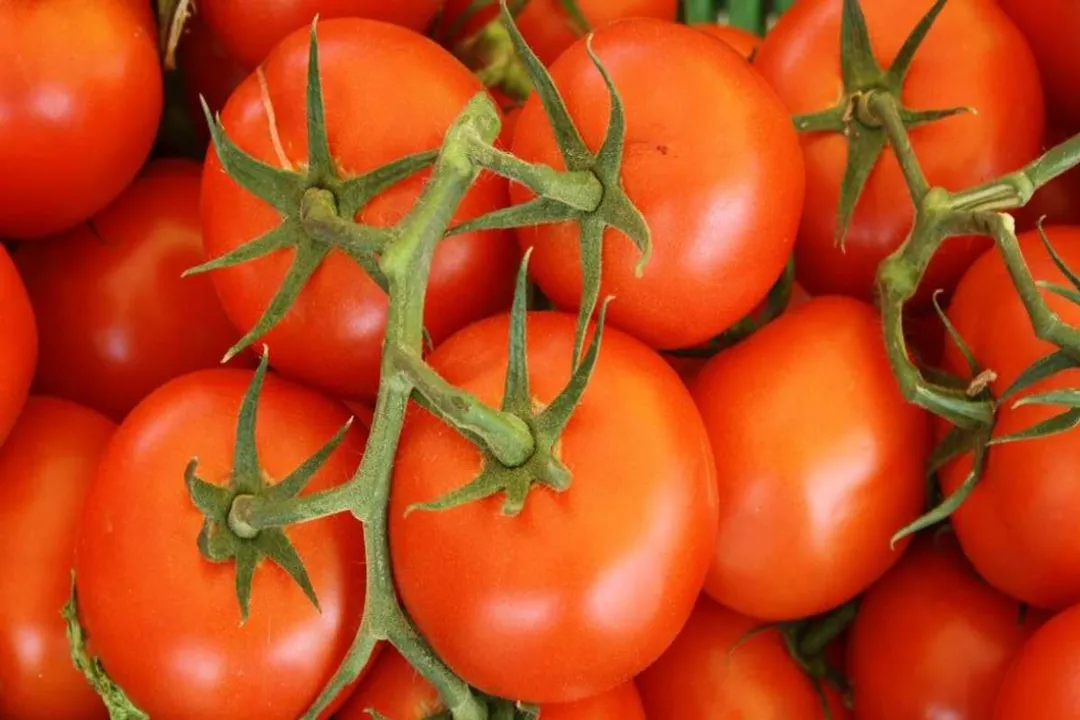
Tomatoes, those vibrant red orbs often treated as mere vegetables in the kitchen, pack a substantial nutritional punch that directly benefits several key organs within the human body. Far from being just a base for sauces or a colorful addition to a salad, they possess specific compounds that researchers have linked to everything from cardiovascular protection to improved skin integrity. [1][2] Their status as a "small but mighty" food underscores their importance in daily nutrition. [7]
# Heart Protection

The cardiovascular system stands to gain significantly from regular tomato consumption, largely due to their impressive antioxidant profile. [1][2] The superstar compound here is lycopene, a carotenoid pigment responsible for the fruit's signature red hue. [2][4] Studies suggest that lycopene helps manage key risk factors for heart disease. Specifically, consuming tomatoes can contribute to lowering levels of LDL cholesterol, often termed the "bad" cholesterol, and can also help manage blood pressure. [2][9] This dual action—addressing both lipid levels and pressure dynamics—positions the tomato as a valuable dietary asset for heart health. [2] Furthermore, the presence of potassium in tomatoes is another factor supporting heart function, as this mineral is well-known for its role in regulating blood pressure. [6][9] The overall reduction in risk factors associated with heart disease and stroke has been specifically noted in research linked to consistent tomato intake. [2]
# Vision Support

Our eyes require specific nutrients to combat the cumulative effects of light exposure and aging, and tomatoes deliver on this front through lutein and zeaxanthin. [1][2] These powerful carotenoids accumulate in the retina and act as natural shields, helping to filter harmful light waves. [1] By incorporating tomatoes into the diet, individuals may reduce their risk of developing serious age-related eye conditions, such as cataracts and macular degeneration. [6][9] While lycopene gets much of the attention for systemic benefits, it is these specific eye-health defenders that offer targeted support for clear vision as we age. [1][2]

# Skin Defense

The external barrier of our body, the skin, also benefits internally from tomato consumption, primarily again due to lycopene. [1][3][8] Lycopene works as an antioxidant that can help protect skin tissues from damage caused by exposure to ultraviolet (UV) radiation from the sun. [1][3][9] Think of it as bolstering your body's internal defense system against environmental stressors that accelerate aging and damage. [8] While no food can replace topical sunscreen, integrating lycopene-rich foods like tomatoes into your regular diet adds a layer of nutritional defense to maintain skin health. [3][9]
If you are aiming for maximum skin protection from your tomatoes, consider how you prepare them. Since lycopene is fat-soluble, pairing tomato intake with a small amount of healthy fat—like drizzling olive oil over sliced tomatoes or blending them into a sauce with a touch of added oil—significantly increases the bioavailability of this protective compound. [4] This simple preparation adjustment is an easy way to maximize the skin benefits derived from your next serving.
# Cancer Risk

Beyond cardiovascular and sensory protection, the powerful phytochemicals in tomatoes are associated with lowering the risk of developing certain types of cancer. [4] The documented preventative effects are often linked back to the high concentration of lycopene. [2][8] Specifically, studies suggest a protective association against prostate cancer, [3][8] though benefits have also been explored in relation to lung, stomach, and colon cancers. [2][3] The antioxidant activity helps neutralize free radicals, which are unstable molecules that can damage cells and potentially lead to cancerous mutations. [4] The fact that this benefit appears across multiple organ systems underscores the wide-ranging protective scope of these compounds. [2][4]

# Gut Wellness
While cardiovascular and cancer prevention often dominate the discussion of tomato benefits, emerging research points toward positive effects on the gut as well. [5] Consumption of tomatoes, whether fresh or cooked, has been shown in some findings to help improve overall gut health. [5] A healthy digestive tract is fundamental to nutrient absorption, immune function, and even mood regulation, meaning the role of tomatoes extends into supporting this critical, often overlooked, internal environment. [5]
# Essential Micronutrients and Processing
Tomatoes are not solely defined by lycopene; they offer a spectrum of essential vitamins and minerals that support the functions of the organs mentioned and others, such as the skeletal system. [6] They are a good source of Vitamin C, crucial for immune function and collagen production; Vitamin K1, important for blood clotting and bone health; and folate (or folic acid), which is necessary for cell growth and the formation of DNA. [9] Royal Lakes Dental notes the benefits also include Vitamin K, which is vital for bone density, suggesting an indirect benefit to the skeletal structure through proper mineral management. [6]
When we look at the nutritional composition, the way we eat tomatoes matters significantly for which nutrients we absorb best. While lycopene absorption improves with heat and fat, Vitamin C levels are heat-sensitive. [9] For instance, cooking tomatoes into a rich paste or sauce boosts lycopene content available to the body, [4] but consuming raw slices with a piece of avocado might optimize the intake of both fat-soluble lycopene and water-soluble Vitamin C simultaneously. If you are primarily targeting bone health via Vitamin K, incorporating raw or lightly steamed tomatoes preserves the most K1 content compared to prolonged boiling. [9]
It is interesting to observe how geography and growing conditions influence these benefits. A locally sourced tomato grown in peak summer sunshine, for example, may develop a higher concentration of lycopene compared to an out-of-season import grown under lower light intensity, meaning your choice of when and where you buy your produce can subtly alter the magnitude of the health benefits you receive. This small difference in sourcing can mean better overall carotenoid intake across a year of regular consumption.

# Beyond the Basics
The utility of tomatoes extends to general well-being through their contribution to several basic nutritional requirements. [6][9] They contain beneficial amounts of potassium and Vitamin A (often in the form of beta-carotene, which the body converts). [6] Potassium, as mentioned, supports fluid balance and nerve signals throughout the body. [6] The fact that a single food item can simultaneously address cardiovascular regulation, antioxidant protection for the eyes and skin, and support for the gut lining makes the tomato an exceptional addition to almost any dietary pattern. [2][5][9]
Ultimately, while we often focus on the single "miracle" component, the true value of the tomato lies in its matrix—the synergistic interaction of lycopene, Vitamin C, Vitamin K, and the essential minerals it provides. [4][9] From the microscopic protection happening in the eye's retina to the systemic benefits seen in blood markers, these fruits (botanically speaking) deliver measurable, organ-specific support, making them far more than just a simple salad ingredient. [1][7]
Related Questions
#Citations
The Health Benefits of Tomatoes - WebMD
Tomatoes 101: Nutrition Facts and Health Benefits - Healthline
6 Reasons to Eat More Tomatoes | St. Vincent's Medical Center
Tomatoes: An Extensive Review of the Associated Health Impacts of ...
New study indicates tomatoes help with gut health - UCLA Health
5 Amazing Health Benefits of Tomatoes - Royal Lakes Dental
Small but Mighty: The Benefits of Tomatoes Tomatoes are more than ...
Health Benefits of Tomatoes
5 Benefits of Tomatoes, Plus Facts and Nutrition - Health