How long to soak onions in water before drinking?
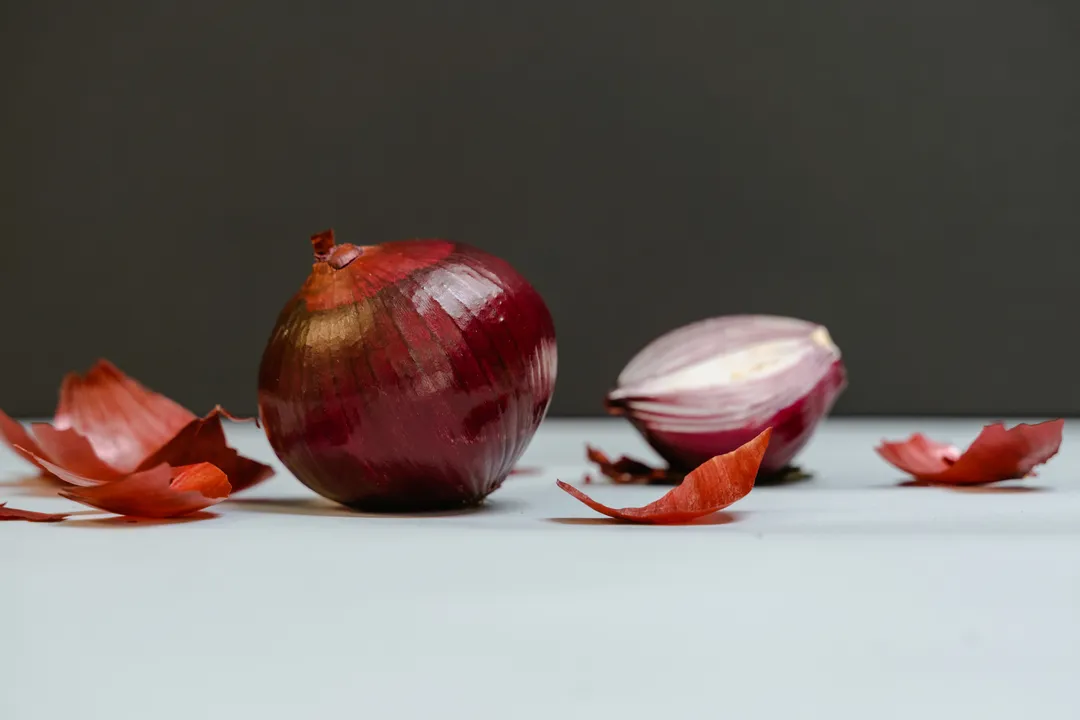
The practice of soaking onion pieces in water to create a beverage, often consumed for purported health advantages, involves a few key preparation steps where the duration of the soak plays a role in the final product's strength and taste profile. While many home remedies circulate through discussions online, clarity on the exact "correct" soaking time remains somewhat fluid, depending on the desired outcome. [2][8]
# Making the Water
The basic process for preparing onion water generally starts with selecting an onion—red, white, or yellow—and slicing or chopping it before placing it into a container. [8] These pieces are then submerged in water. [8] The temperature of the water used can influence the extraction process, though most common preparations call for room temperature or slightly cooler water. [5] Some traditional approaches suggest using raw onions for this infusion. [5]
# Duration Factors
When considering how long the onion needs to sit in the water before it is considered ready for consumption, guidance found across various user experiences suggests a range of times. Some methods advocate for allowing the mixture to steep for about 12 hours. [8] Others suggest an overnight soak, which naturally aligns with a similar time frame, often around 8 to 10 hours, especially if preparing it before bed for morning consumption. [5][8]
It is worth noting that the intent behind the soaking time is to allow the water to draw out the beneficial components—the sulfur compounds and antioxidants—from the onion tissue. [3][5] A longer soak, say past the 12-hour mark, will likely result in a water infusion that is significantly stronger in taste and aroma, potentially making it more challenging to drink. [2] Conversely, a very short soak (just an hour or two) might not extract enough of the desired compounds for the remedy to be effective, according to some anecdotal reports. [5]
If you are aiming for a mild infusion, keeping the soak closer to the 6 to 8-hour window might be preferable. For a more potent preparation, pushing the soak toward the 12 to 24-hour range may be appropriate, though the sensory experience will be markedly different. [8] Think of it as an extraction curve: the first few hours draw out the most volatile and water-soluble elements, while longer periods leach out more subtle or less soluble components, increasing intensity.
# Flavor Management
It is important to differentiate between soaking onions to create a health tonic and soaking them to prepare them for raw consumption in salads or other dishes. When preparing onions for eating, soaking them in water—sometimes with the addition of ice or a bit of vinegar—is often recommended to mitigate the harsh, pungent sulfuric compounds that cause tearing or burn the mouth. [6][9] This process, sometimes akin to blanching or a quick rinse, aims to reduce intensity. [7]
When preparing onion water for drinking, however, the goal is often the opposite regarding flavor: you want the beneficial compounds to transfer into the water. If you find the resulting drink too sharp even after a standard overnight soak, a simple adjustment can be made without drastically altering the soak time. You could try straining the water and then adding a small slice of a different fresh onion to the strained liquid for a few minutes before drinking, or incorporating a very small amount of natural sweetener, though tradition often suggests consuming it plain. [1][3]
A checklist for consistent preparation might look like this:
- Peel and dice one medium onion.
- Place in a clean glass jar.
- Cover completely with filtered water (about two cups).
- Cover the jar loosely and refrigerate if the ambient temperature is high, or keep at room temperature for the desired soak time (aim for 8–12 hours initially).
- Strain thoroughly before consumption.
# Drinking Frequency
Once the water is prepared, deciding how often one should consume it is another common area of inquiry. Many proponents suggest drinking onion water first thing in the morning on an empty stomach to maximize absorption of its purported benefits, which are often linked to cold and flu relief or general wellness. [1][5]
Regarding the frequency, reports vary widely, suggesting a lack of strict medical consensus on dosage. Some individuals share that they consume a glass daily for a set period, such as a week, when feeling run down. [1] Others suggest drinking it every other day. [4] Because the preparation involves concentrated compounds from a vegetable known to cause digestive upset in some people, consuming it too frequently or in large quantities may lead to side effects like heartburn or stomach irritation. [3] Therefore, listening to one’s own body is critical; if drinking it causes discomfort, reducing the frequency or diluting the mixture is a sensible next step. [3][4]

# Medical Context
It is important to place these home remedies within a broader health context. While onions contain various healthful compounds, including those with antioxidant and anti-inflammatory properties, drinking the infused water is generally considered a folk remedy. [1] Healthcare sources often note that while these preparations are used traditionally, especially for managing symptoms of the common cold or flu, they are not substitutes for evidence-based medical treatment. [1] If someone is suffering from a persistent illness, consulting a healthcare professional remains the primary course of action. [3] The appeal of onion water often lies in its simplicity and accessibility, providing an alternative comfort measure alongside established care protocols. [1]
Related Questions
#Citations
Can Onion Water Cure Colds or Flu? - INTEGRIS Health
Using Onion Water to Lower Blood Sugar Levels - Facebook
Your patients are drinking onion water: Here's why - MDLinx
How often can you drink onion water? - Quora
HEALTH BENEFITS OF SOAKING ONION IN WATER AND ... - Steemit
[Discussion] Rinsing Onions Thoroughly Before Adding Them To A ...
Onions | How to prepare vegetables - Kikkoman Corporation