Who should not drink herbal tea?
While herbal teas are frequently sought out for their soothing qualities and perceived natural benefits, they are not universally safe for everyone. The perception that anything derived from a plant is inherently harmless overlooks the potent chemical compounds these infusions contain. When you steep herbs, you are extracting these compounds, which can have significant biological effects, especially when consumed regularly or in combination with other substances. Understanding who should exercise caution, or avoid certain brews entirely, is essential for responsible consumption.
# Medication Conflicts
One of the most critical reasons to approach herbal teas with caution involves interactions with prescribed or over-the-counter medications. Because herbal ingredients contain active phytochemicals, they can alter how your body absorbs, metabolizes, or eliminates pharmaceuticals, potentially making the drug less effective or increasing its side effects to dangerous levels. This risk is not limited to one or two common teas; many popular botanicals carry warnings.
For instance, some teas are known to affect blood clotting. If you are taking blood thinners like warfarin, consuming teas containing compounds that might thin the blood further can lead to excessive bruising or bleeding. Conversely, other herbs might decrease the effectiveness of certain drugs, meaning the medication you rely on to manage a condition may not be working as intended.
It is vital to recognize that the interaction potential varies significantly based on the herb and the medication class. For example, certain herbal teas can influence cytochrome P450 enzymes in the liver, which are responsible for breaking down a vast number of common drugs, including some antidepressants, cholesterol-lowering statins, and seizure medications. Furthermore, teas can sometimes affect blood pressure or blood sugar levels, which is problematic if you are already prescribed medication for hypertension or diabetes.
To manage this known risk, anyone starting a new medication—or adding a new regular herbal tea to their routine—should treat the combination as potentially problematic until cleared by a healthcare provider. As a practical step, consider maintaining a detailed log of all daily beverages, noting the type of tea and when it is consumed, alongside the timing of medications. This record can be invaluable for a doctor or pharmacist to pinpoint a potential interaction that might otherwise be attributed to another cause. The absence of standardized labeling on tea packaging, unlike on pharmaceutical drugs, means the consumer bears a greater responsibility to inquire about potential conflicts.
# Pregnant Women
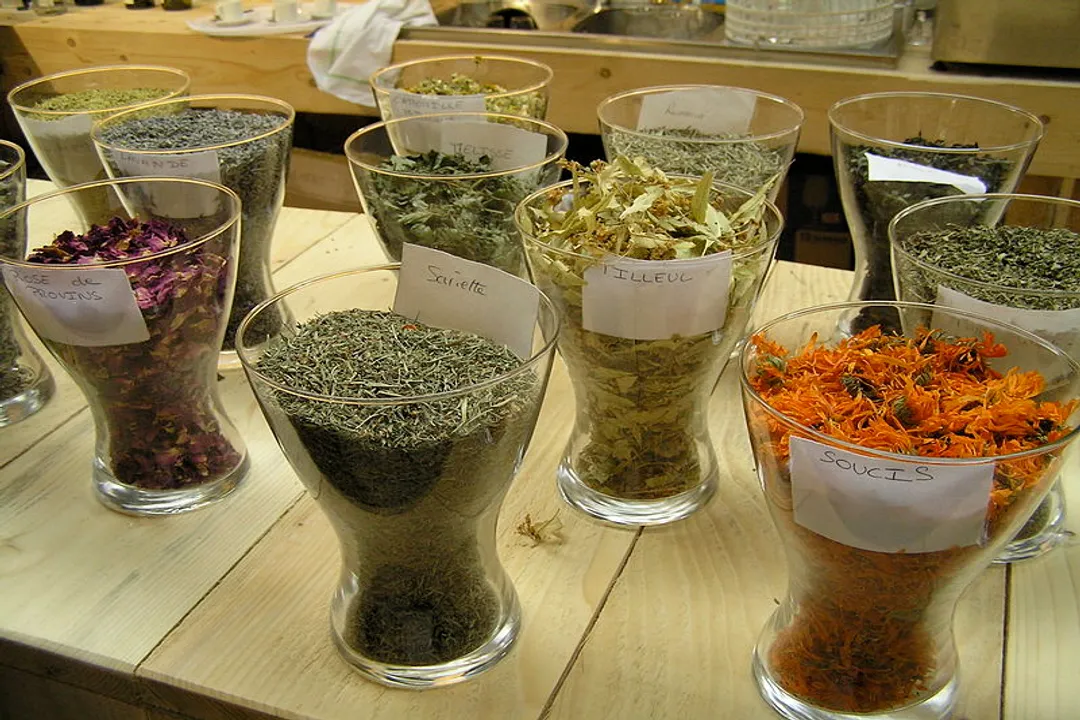
For individuals who are pregnant or breastfeeding, the caution surrounding herbal teas intensifies significantly. During pregnancy, the developing fetus is extremely vulnerable to any substance that crosses the placenta, and many herbs that are generally safe for the general population have not been sufficiently studied for safety in this population. Consequently, many practitioners advise avoiding most herbal teas altogether during pregnancy, particularly during the first trimester, unless specifically recommended by an obstetrician.
The issue is that herbs can possess properties that stimulate the uterus, potentially leading to preterm labor or miscarriage. Other compounds might pass into breast milk, affecting the nursing infant. For instance, some sources specifically advise against licorice root tea due to its potential to affect blood pressure and electrolyte balance, issues that are already closely monitored during pregnancy. The concern is not just toxicity, but also the unknown long-term effects of consistent, low-dose exposure to specific botanical compounds on a developing system.

# Specific Conditions
Beyond medication conflicts, individuals managing chronic health conditions must be extremely judicious about their tea choices. People with liver or kidney issues, for example, may struggle to properly process and excrete the compounds found in potent herbal infusions. If the body cannot efficiently clear these substances, they can accumulate, leading to toxicity or exacerbating the existing organ strain.
Those with known allergies should also be wary. Since herbal teas are derived from flowers, roots, seeds, and leaves, someone with a pollen allergy might react to a tea made from related plant material, even if it is typically consumed internally. An allergic reaction could range from mild irritation in the mouth to a more severe systemic response.
Digestive sensitivities also play a role. While peppermint is often suggested for indigestion, for some people, especially those with severe gastroesophageal reflux disease (GERD), peppermint can relax the lower esophageal sphincter, potentially increasing acid reflux symptoms. Similarly, some very fibrous or astringent teas might irritate an already inflamed stomach or intestinal lining.
# Overuse Dangers
Even when consuming a seemingly benign herbal tea, the concentration achieved through steeping matters significantly. The potential for adverse effects often increases with the quantity consumed. While one cup might be fine, drinking several cups daily over a prolonged period can lead to issues that wouldn't manifest from occasional use.
Consider the difference between using a concentrated extract, which is regulated and dosed, and brewing tea at home. In a home preparation, the strength can vary wildly depending on the amount of herb used, the water temperature, and the steep time. If you brew a stronger-than-usual pot of tea, you are effectively consuming a higher dose of the active ingredient than you might realize. For example, consuming very large amounts of certain teas has been linked to stomach upset, diarrhea, or even more serious issues related to electrolyte imbalance or blood pressure changes. When assessing your intake, it's helpful to normalize your consumption—if you doubled your usual amount of a particular root tea tomorrow, what would that imply in terms of concentration compared to a regulated supplement? This mental framing helps underscore that "natural" does not equal "dose-independent".
# Risky Herbs
Certain individual herbs carry higher intrinsic risks that warrant stricter avoidance, regardless of other factors, or require expert guidance before consumption. For example, comfrey tea has been associated with liver damage due to its pyrrolizidine alkaloids, a risk noted by several health agencies.
Other herbs flagged for potential problems include:
- Kava: While traditionally used for relaxation, it has been linked to severe liver toxicity in some cases.
- Ephedra (Ma Huang): This herb contains ephedrine, a stimulant, which can increase heart rate and blood pressure dangerously, leading to serious cardiovascular events. Due to these risks, it is banned in many places.
- Licorice Root: As mentioned previously, high intake can lead to low potassium levels (hypokalemia), which can affect muscle function and heart rhythm.
Even common ingredients sometimes come with caveats. While generally safe, black cohosh, often taken for menopausal symptoms, has also been associated with rare reports of liver problems. It is essential to verify the safety profile of any specific herb before making it a dietary staple, especially if you have any underlying health concerns.
# Quality and Purity Concerns
A less obvious, but important, factor for those who should limit their intake relates to the source and quality of the product itself. Since herbal teas are dried plant matter, they can sometimes be contaminated with environmental pollutants, heavy metals absorbed from the soil, or pesticides used during cultivation. If you are already compromised due to poor kidney function or are immunocompromised, ingesting these contaminants becomes a greater health risk than it would be for a perfectly healthy individual.
Furthermore, herbal products are often not subject to the rigorous testing required for pharmaceuticals. This lack of oversight can lead to mislabeling—where the product contains an unlisted ingredient, or the advertised herb is substituted with something else entirely. For a person who must strictly avoid a specific plant due to allergies or medication conflicts, this inconsistency in labeling presents a significant, hidden danger. Prioritizing teas from reputable suppliers who offer transparency regarding sourcing and testing can mitigate some of this concern, though the general rule remains: if your health status is fragile, stick to what your physician recommends.
Related Questions
#Citations
Side Effects of Tea: 8 Reasons Not to Drink Too Much - Healthline
7 Medications That Don't Mix Well with Herbal Tea - EatingWell
Toxic effects of herbal teas - PubMed
The Truth About Tea and Who Should Never Drink It - Teabloom
Herbal teas may seem harmless, but some can interfere with your ...
Herbal Teas That Can Affect Your Medications
Herbal Teas: Know the Risks So You Can Enjoy the Benefits
Side Effects and Nine Reasons to Avoid Consuming Excessive Tea
What Teas Are Unhealthy? - MedicineNet