What drinks help with acid reflux while pregnant?
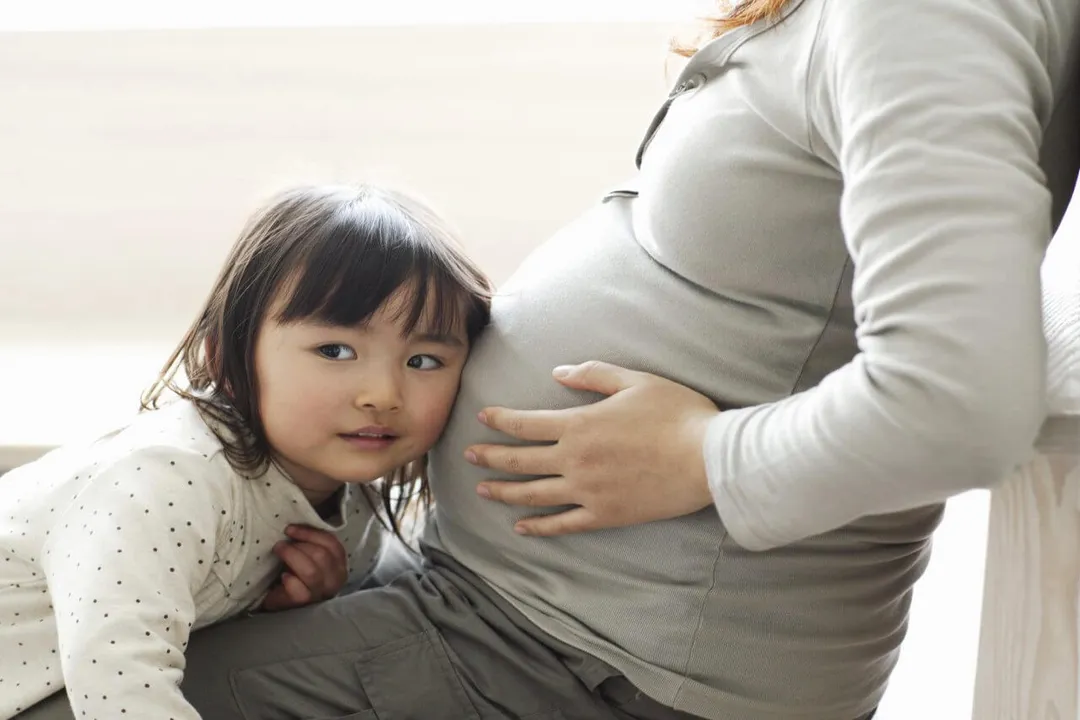
Managing the unwelcome fiery sensation in the chest and throat during pregnancy often means carefully monitoring everything that passes your lips. As the growing uterus puts physical pressure on the stomach, and hormonal changes can relax the lower esophageal sphincter (LES), what you drink becomes just as critical as what you eat. [2][10] For many expectant mothers, finding a beverage that quenches thirst without triggering a reflux episode can feel like searching for a treasure map in the dark. The good news is that careful selection and timing can make a significant difference in your daily comfort.
# Water Basics
The simplest beverage, water, is essential for hydration, which is vital when carrying extra fluid volume during pregnancy. [1][9] However, for some people, even plain water can be a problem if consumed incorrectly. If you find that water itself seems to aggravate symptoms, it often relates to the volume or temperature rather than the water itself. [4]
Some individuals report that very cold water seems to trigger a flare-up because the sudden temperature change can shock the system or potentially speed up stomach emptying in an unfavorable way. [4] Conversely, room temperature or slightly cool water is generally considered a safe default choice. [1] Think of your stomach like a sensitive thermostat; large volumes of ice water might cause a quicker relaxation of the LES or disrupt digestion temporarily, leading to reflux. [2]
A useful tactic, which many mothers in online discussions suggest, involves breaking up fluid intake throughout the day. Instead of drinking a full glass during or immediately after a meal—which adds volume to an already full stomach—try to sip small amounts almost constantly between meals. [4] This keeps you hydrated without creating a high-pressure environment in your upper abdomen.
# Soothing Sips
When water isn't cutting it, certain herbal infusions have long-standing reputations for easing digestive unrest. These naturally caffeine-free options work by calming the digestive tract rather than neutralizing acid directly, which can be a more gentle approach during pregnancy. [5][7]
# Ginger
Ginger is perhaps the most frequently recommended natural remedy for nausea and digestive upset in pregnancy, and its use extends to reflux symptoms as well. [5][7] It is known for its anti-inflammatory properties and ability to soothe the stomach lining. [5]
You can easily incorporate ginger by steeping thin slices of fresh ginger root in hot water to make a mild tea. [1][5] It is important, however, to monitor the strength. A very strong, highly concentrated ginger tea might become irritating itself; aim for a mild, barely flavored infusion rather than a potent, spicy brew. [7]
# Chamomile
Chamomile tea is another staple recommended for its ability to promote relaxation and calm the digestive system. [5] Since stress and relaxation levels can influence digestive function, anything that helps ease anxiety may indirectly reduce reflux severity. [2] Chamomile is generally considered safe and gentle for pregnant women seeking relief. [5]

# Milk and Dairy Choices
Dairy products often get mixed reviews when it comes to acid reflux, which is why comparing the options is important. Milk can sometimes provide temporary relief by coating the esophageal lining, acting as a mild buffer against stomach acid. [1][9] However, the type of milk matters significantly.
If you find relief from dairy, skim milk is usually the better choice over whole milk. [1][9] Higher-fat dairy products can delay stomach emptying, increasing the time acid has to reflux. [2][10] When the stomach takes longer to empty, the chance of LES relaxation leading to heartburn increases. [2]
For those who are lactose intolerant or prefer non-dairy options, certain plant-based milks might work. Unsweetened almond milk is often cited as a good alternative because it tends to be alkaline, which might help balance stomach acid, and it is low in fat. [9] Coconut milk, while sometimes recommended in general reflux discussions, should be approached cautiously during pregnancy if you are prone to heartburn, as its higher fat content might be problematic. [3]
A Note on Fat Content and Reflux: A simple way to view this is through the lens of stomach residence time. If a beverage has significantly more fat (like whole milk or cream-based drinks), your digestive system has to work harder and longer to process it, effectively holding the acidic contents in the stomach for an extended period. For reflux relief, prioritize beverages that pass through the stomach quickly, which generally means low-fat or non-fat options, whether dairy or plant-based. [2][10]
# Juices and Fruit Acids
When it comes to fruit-based drinks, moderation and careful selection are key. Many common juices are highly acidic and are common triggers for GERD symptoms, which are exacerbated during pregnancy. [3]
# Juices to Approach with Caution
Citrus juices—like orange juice, grapefruit juice, and lemon juice—are often high on the list of beverages to avoid, as their acidity can directly irritate an already sensitive esophagus. [3][7] While a glass of fresh lemonade might sound refreshing, the high concentration of citric acid often leads to immediate discomfort. [3]
Tomato juice, another fruit derivative, is also notably acidic and should generally be limited or avoided when reflux is active. [3][7]
# The Milder Fruit Options
If you crave something fruitier than plain water, consider drinks made from lower-acid fruits, consumed in small amounts:
- Melon Juices: Watermelon or cantaloupe-based drinks are generally less acidic and can be quite hydrating. [1]
- Apple Juice: While not completely neutral, many people find pure apple juice better tolerated than citrus options, provided it is not heavily concentrated. [9]
Even with these milder options, wait at least an hour after eating a meal before consuming juice, allowing the initial digestive pressure to subside. [8]

# Beverages to Strictly Bypass
To maintain comfort, it is wise to temporarily eliminate several categories of drinks known to interfere with the LES or increase stomach acidity. [3][7]
# Carbonated Drinks
The fizz in soda, seltzer, or sparkling water introduces gas into your digestive tract, causing bloating and distension. [2] This physical expansion puts more upward pressure against the LES, often forcing acid back into the esophagus. [2][3] While some sources suggest that plain sparkling water might be tolerated by some individuals if consumed slowly and in small quantities, [4] for many pregnant people, any carbonation will worsen symptoms. [3] If you miss the bubbles, try chilling plain water until it is very cold and sipping it slowly—it mimics the sensation without the gas buildup.
# Caffeinated Beverages
Coffee and caffeinated teas are well-documented reflux culprits. [3][7] Caffeine acts as a muscle relaxant, and one of the muscles it relaxes is the LES. When the LES relaxes inappropriately, acid escapes easily. [2][3] For those struggling with persistent heartburn, switching completely to decaffeinated versions or herbal alternatives, at least during symptomatic periods, is highly recommended. [1][7]
# Alcohol
While not a common concern during pregnancy for other well-known reasons, it bears noting that alcohol is a strong LES relaxant and stomach irritant, making it a definitive no-go for anyone experiencing reflux. [3]
# Timing and Technique Strategies
The what is important, but the how and when you drink might offer more immediate relief than altering the beverage itself. This is where actionable, personalized adjustments can shine, often discovered through trial and error during the pregnancy experience. [4]
# The Sip Timing Checklist
Creating a structured approach to fluid intake can minimize reflux events associated with mealtimes:
- Pre-Meal Prep: About 30 minutes before eating, drink no more than four ounces of a safe, non-acidic beverage (like room-temperature water or weak ginger tea). [8]
- Mealtime Limitation: During the actual meal, keep liquids to an absolute minimum—just enough to help swallow food, perhaps one or two small sips over the entire course of eating. [8]
- Post-Meal Delay: Wait at least 60 to 90 minutes after finishing your meal before drinking a larger volume of fluids again. [8] This gives your stomach time to process the food without excessive liquid volume pushing on the LES. [2]
# Temperature Control
Beyond the cold water issue mentioned earlier, consistently warm (not hot) beverages are often easier on the digestive tract than extreme temperatures. [1][5] Hot drinks, like piping hot tea, can sometimes irritate the inflamed esophageal lining, while icy drinks may cause the stomach to react defensively. Finding that sweet spot—a beverage that is slightly warm or perfectly room temperature—can significantly reduce irritation. [1]

# When Simple Changes Aren't Enough
If dietary and beverage adjustments, even when strictly followed, do not bring relief, it is important to seek professional guidance. Persistent, severe acid reflux is sometimes a sign of a more pronounced issue, such as GERD, which requires medical oversight, especially during pregnancy. [6] Your healthcare provider can discuss safe, over-the-counter antacids or prescription options if lifestyle changes prove insufficient to manage your symptoms. [6][10] Remember that while many remedies focus on natural comfort, medical advice tailored to your specific pregnancy status is always the most authoritative source of treatment planning. [6]
Related Questions
#Citations
Pregnancy Heartburn? 7 Ways to Get Relief - Intermountain Health
Heartburn During Pregnancy: Causes & Treatment - Cleveland Clinic
What to Drink for Acid Reflux: Teas and Nonacidic Juices - Healthline
What do you drink when even water causes heartburn? : r/pregnant
Pregnancy Heartburn Remedies | OBGYN Birmingham, AL
How to Prevent & Treat Acid Reflux While Pregnant - 5 Tips
Best drinks for acid reflux - Medical News Today
Indigestion and heartburn in pregnancy - NHS
How To Relieve Heartburn and Acid Reflux During Pregnancy
Heartburn During Pregnancy: Causes, Natural Remedies & Future ...