Is rambutan high in uric acid?
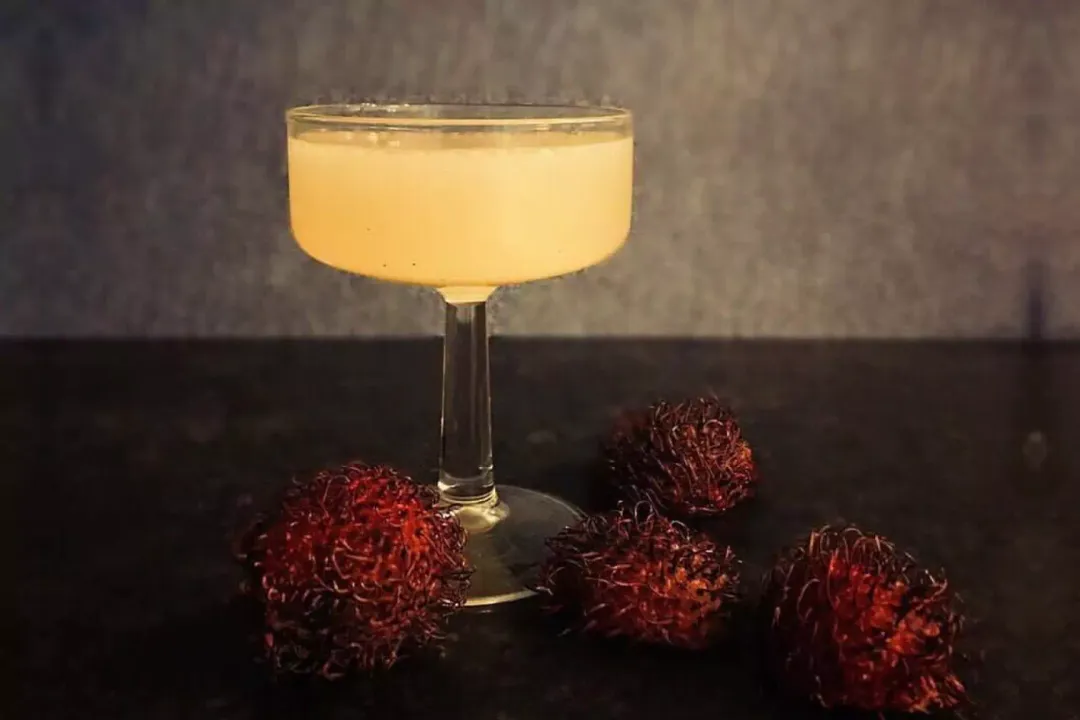
The delicious, spiky exterior of the rambutan fruit often leads people to wonder about its internal composition, particularly when health concerns like elevated uric acid levels are a factor in dietary choices. When focusing on foodstuffs that impact uric acid, the conversation almost always centers on purines, which are chemical compounds that break down into uric acid in the body. Therefore, determining whether rambutan is "high" in uric acid potential really means determining its purine content.
# Purine Content
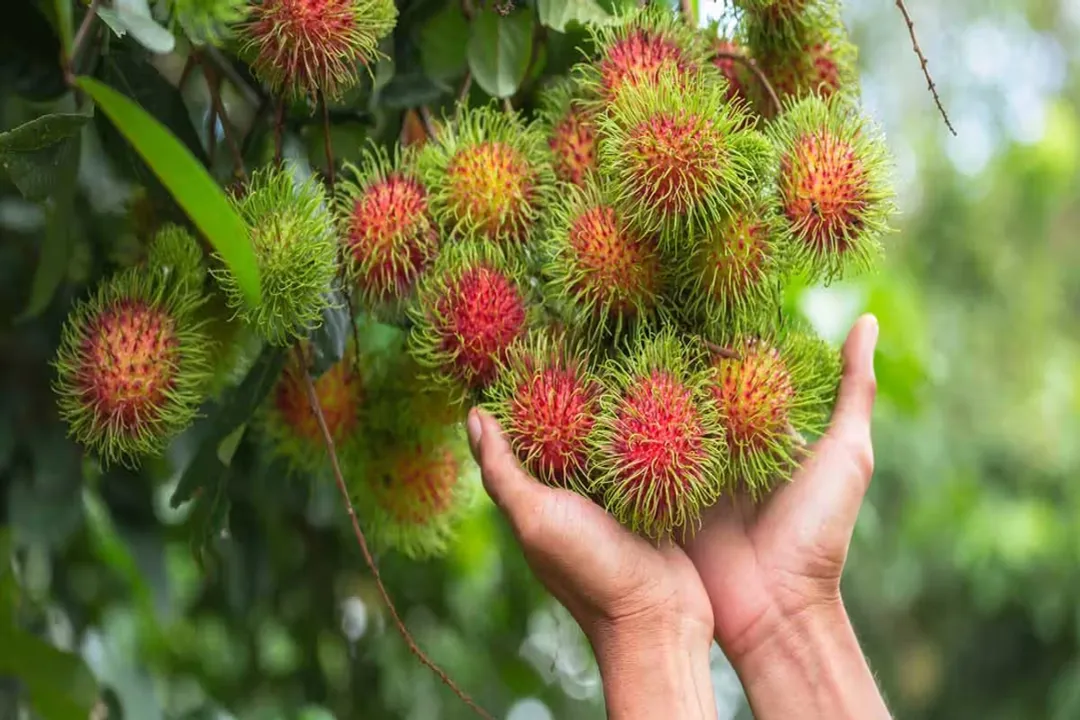
Crucially, rambutan is recognized for containing no purines. This finding is the single most important piece of information for individuals concerned about gout or high serum uric acid, as it means the fruit does not contribute to the uric acid load through the purine breakdown pathway. Foods high in purines, such as organ meats, certain seafood, and specific alcoholic beverages, are typically restricted because they rapidly elevate uric acid, potentially leading to painful flare-ups in susceptible individuals. Because rambutan lacks this specific compound, it generally aligns with the dietary recommendations for managing uric acid, positioning it as a safe, sweet option.
# Nutritional Support
While the lack of purines addresses the direct risk factor, rambutan offers other nutritional benefits that can support general well-being, which indirectly relates to overall health management. This fruit, often enjoyed fresh when in season, is a good source of several essential vitamins and minerals.
It contains a significant amount of Vitamin C, an antioxidant that helps protect the body's cells from damage. Furthermore, rambutan is rich in water content, which supports hydration—a factor often encouraged for flushing out substances, including uric acid, though direct causation related to hydration and gout is complex.
Examining the mineral profile, rambutan provides several trace elements necessary for bodily functions:
- Copper: Important for iron absorption and red blood cell formation.
- Manganese: Plays a role in metabolism and bone development.
- Iron: Essential for carrying oxygen in the blood.
In terms of energy, rambutan is relatively low in calories, with approximately 69 calories per 100 grams of fruit. This caloric density is primarily derived from carbohydrates. It also offers dietary fiber, which aids in digestive health.

# Fruit Comparison Insight
When navigating a diet restrictive toward purines, many people default to restricting all fruits due to generalized carbohydrate or sugar concerns, even though most fresh fruits are considered low in purines. For someone concerned specifically about gout management, it is helpful to categorize fruits based on this key metric. For instance, if we consider the purine load, rambutan (zero purines) shares the same foundational safety profile as common staples like apples or bananas, which are also essentially purine-free. This perspective allows for broader dietary variety within the fruit group, as long as the primary concern is the purine contribution, which rambutan clearly avoids. This contrasts sharply with even moderate-purine vegetables where trace amounts are present, solidifying rambutan’s position as a highly permissible sweet treat from a gout perspective.
# Sugar Intake Consideration
Despite the absence of purines, an important consideration for anyone monitoring uric acid involves total sugar intake, specifically fructose. While rambutan is a healthy source of natural sugars that provide energy, excessive consumption of any food high in rapidly absorbed simple sugars can indirectly affect uric acid levels in some individuals. The body metabolizes fructose differently than other sugars, and high intake has been linked in some contexts to increased uric acid production. Therefore, while you are not loading up on purines when eating rambutan, moderation is still sensible advice, particularly if one is consuming large quantities of the fruit in one sitting or as part of a diet already high in added sugars or high-fructose corn syrup. The overall dietary pattern matters just as much as the presence or absence of one specific compound like purines.

# Practical Enjoyment
Rambutan is botanically related to the lychee and longan, featuring translucent white flesh encased in a leathery, hairy rind. The fruit is sweet and slightly acidic when ripe. To eat it, one typically peels away the outer skin to access the edible flesh surrounding a central seed. The seed itself is generally discarded. Because of its pleasant flavor and texture, it is easy to consume several pieces without realizing the volume.
A practical tip involves portion control; treating rambutan like other healthy, naturally sweet fruits—enjoying a small bowl rather than eating directly from a large bag—helps balance the intake of natural sugars while reaping the benefits of its vitamins and hydration.
Nutritionally, rambutan offers a spectrum of benefits, ranging from providing antioxidants to essential minerals like manganese and iron. The combination of a very low purine count and a good vitamin profile makes it a solid choice for those navigating dietary restrictions related to high uric acid, provided overall sugar moderation is maintained.
Related Questions
#Citations
Rambutan Benefits: Exploring the Advantages of this Fruit - Nutrisense
Rambutan: Nutrition Facts, Health Benefits and How to Eat
Rambutan is good for managing uric acid bec it contains no purines ...
Rambutan Fruit: Nutrition, Health Benefits and How to Eat It
Health Benefits of Rambutan - WebMD
Nutritional, pharmaceutical, and functional aspects of rambutan in ...
Rambutan Nutrition Facts: Pros & Cons
Rambutan: Nutrition, Health Benefits, and How to eat | Vinmec