For patients with cirrhosis and ascites, what specific dietary role do chives serve regarding sodium intake?
Answer
They are an excellent, salt-free option for flavoring bland foods.
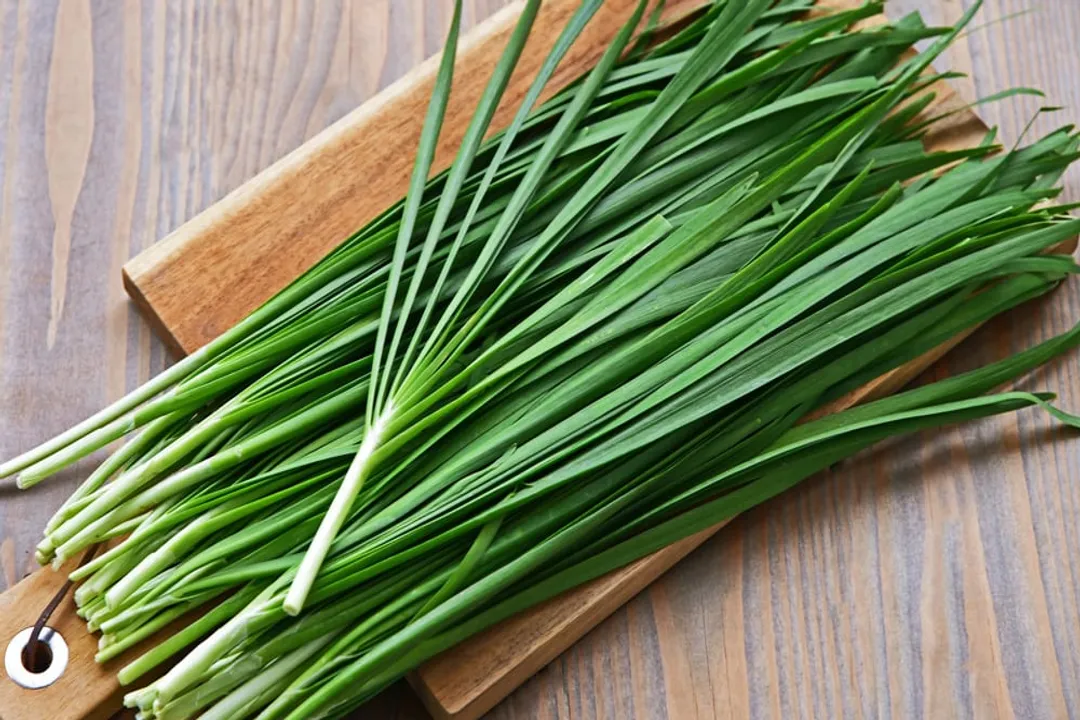
Managing advanced liver disease like cirrhosis often necessitates severe restriction of salt intake, sometimes aiming for a limit as low as five grams daily, particularly when ascites (abdominal fluid buildup) is present. Since much dietary sodium comes from processed items, patients require alternative flavor sources for simple, prescribed foods like steamed vegetables or plain fish. Chives are explicitly listed alongside other seasonings such as pepper, vinegar, parsley, and basil as highly valuable, salt-free additions that can enhance the taste of these bland therapeutic meals without contributing unwanted sodium.
Related Questions
Which essential nutrient in chives is singled out for its direct impact on liver function?What beneficial biochemicals in chives influence detoxification enzyme activity?What substance is one source strongly advised against mixing with chives due to potential imbalance?Besides getting rid of toxins, what is another vital role performed by the liver?How do Chinese chives differ in flavor profile from common chives?Why should beneficial compounds in chives ideally be incorporated at the very last stage of cooking?For patients with cirrhosis and ascites, what specific dietary role do chives serve regarding sodium intake?What classification describes the compound quercetin found in chives?Besides blood clotting, for what health benefit is Vitamin K, supplied by chives, crucial?How are garlic chives categorized in traditional Chinese medicine regarding their warming properties?