Which organ is mango good for?

Mangoes, those wonderfully sweet and fragrant fruits of summer, offer much more than just a delightful taste experience. While enjoying one, it’s natural to wonder about the internal systems that might benefit from its nutritional profile. The concentration of vitamins, minerals, and bioactive compounds within this tropical favorite means it positively impacts several key areas of human physiology, extending its value far past simple enjoyment.
# Gut Health
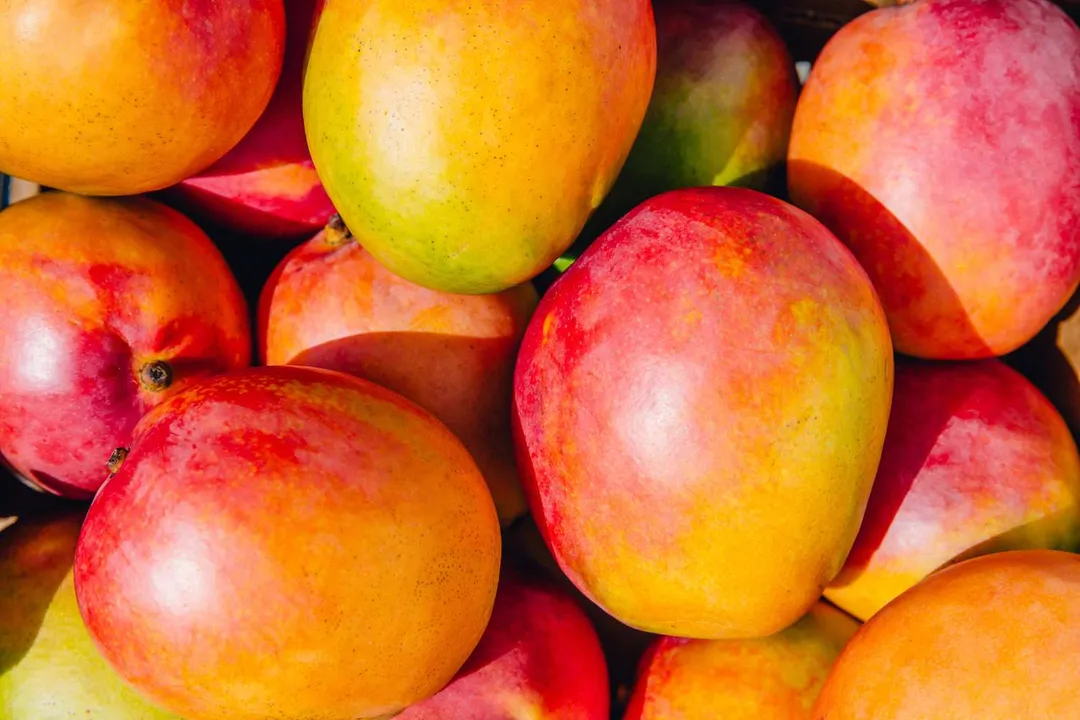
The digestive tract receives significant support from incorporating mangoes into the diet, largely due to their natural fiber content. [1][7] This dietary fiber, both soluble and insoluble, is essential for maintaining regularity and supporting a healthy colon environment. [7][3] Beyond fiber, mangoes contain natural digestive enzymes, specifically amylases. [1] These enzymes are quite helpful as they begin the process of breaking down complex carbohydrates and starches into simple, absorbable sugars before they even reach the lower intestine. [1] This pre-digestion can ease the burden on the stomach and small intestine. It is worth noting, however, that the activity of these enzymes is highest when the fruit is freshly cut; allowing a sliced mango to sit out for extended periods might diminish this specific enzymatic advantage compared to eating it right away. [1]
# Vision Care

The mango’s rich color hints at its benefit to the eyes. These fruits are packed with nutrients vital for maintaining good eyesight. [5] Chief among these are Vitamin A and its precursor, beta-carotene. [1][5] Vitamin A is foundational for proper vision, especially in low-light conditions. [5] Additionally, mangoes provide the carotenoids lutein and zeaxanthin. [5] These compounds function as internal sunglasses, filtering out harmful blue light and protecting the delicate structures within the eye from oxidative damage over time. [5]

# Heart Function
Several components within a mango contribute positively to cardiovascular health. [5][1] The presence of minerals like potassium and magnesium is beneficial because they help manage blood pressure by balancing the negative effects of sodium. [5] Furthermore, the fiber content previously mentioned also aids the heart by helping to control cholesterol levels circulating in the bloodstream. [5][1] By contributing to better blood pressure regulation and lipid management, the fruit supports the overall circulatory system.
# Immunity Boost
When thinking about immune defense, Vitamin C immediately comes to mind, and mangoes deliver a substantial dose. [1][5] Vitamin C is a potent antioxidant that helps protect cells from damage caused by free radicals. [1] More structurally, this same vitamin is indispensable for the synthesis of collagen. [1][5] Collagen is the primary structural protein in connective tissues, which means that adequate Vitamin C intake, supported by eating mangoes, is directly linked to the integrity of skin, blood vessels, and gums. [5]

# Weight Balance
For those monitoring their weight, mangoes can fit into a balanced eating pattern, provided portions are managed correctly. [3] They are relatively low in calories for the volume of food they provide and contain a good amount of water and fiber, both of which contribute to feelings of fullness or satiety. [3] This feeling of being full can naturally lead to consuming fewer calories overall throughout the day. [3] However, one must remain aware that mangoes do contain natural sugars and carbohydrates. [1][5] A good strategy for maximizing satiety while minimizing rapid sugar absorption is to never consume mangoes in isolation; pairing a measured serving of mango with a source of healthy fat or protein, such as a handful of almonds or a dollop of Greek yogurt, can help slow down the digestion of the fruit's sugars. [1]
# General Wellness Support
Beyond these major systems, mangoes contribute to overall bodily function through various micronutrients. They are a good source of folate (Vitamin B9) and copper. [1] Folate is critical for cell division and the creation of DNA, making it particularly important during periods of rapid growth or cell turnover. [1] Copper plays a part in various enzyme functions necessary for energy production and iron absorption. [1] Furthermore, the fruit contains various polyphenols, which are powerful antioxidant compounds that work alongside the vitamins to offer comprehensive cellular protection. [5] This combination of macronutrient support (fiber) and micronutrient density means that enjoying a mango regularly contributes to maintaining foundational metabolic processes.

# Mineral Contribution
The combination of minerals present in mangoes warrants a closer look for those tracking specific dietary requirements. While the amounts may vary slightly by variety and ripeness, they reliably offer nutrients that are often under-consumed in modern diets. [1]
| Nutrient Group | Key Component Provided | Primary Role |
|---|---|---|
| Electrolytes | Potassium, Magnesium | Blood pressure regulation, fluid balance [5] |
| Trace Minerals | Copper | Energy metabolism, iron utilization [1] |
| Vitamins | Vitamin C, Vitamin A | Antioxidant defense, vision, collagen synthesis [1][5] |
This nutritional profile suggests that if one were creating a simple matrix of daily fruit contributions, mangoes rank highly for immune support and eye health compared to fruits lacking their specific carotenoid load. [5] The slight downside, as noted when discussing weight management, is the carbohydrate load, which requires mindful consumption, especially for individuals managing blood sugar levels. [1][5]
Related Questions
#Citations
Mango: Nutrition, Health Benefits, and How to Eat It - Healthline
Mango-licious: The Top 6 Health Benefits of Mango
Benefits of Mango for Gut Health and Weight Loss
Health Benefits of Mango
What Happens to Your Body When You Eat Mangoes Regularly
The effects of fresh mango consumption on gut health and microbiome
Are Mangoes Good for Your Digestive System? - Everyday Health
Benefits of mangos for the body - MSU Extension
Benefits of raw mango for health - Facebook