Are bilberries healthier than blueberries?

The sight of a small, dark, dusty berry nestled among a cluster of their larger, brighter cousins often leads to the same question: Are bilberries just fancy blueberries, or is there something truly different going on beneath the skin? While they share the same Vaccinium family lineage and a similar deep blue-purple exterior, comparing the European wild bilberry (Vaccinium myrtillus) with the commercially dominant American blueberry (Vaccinium corymbosum or related species) reveals distinct differences in origin, flavor, and nutritional punch.
# Botanical Roots
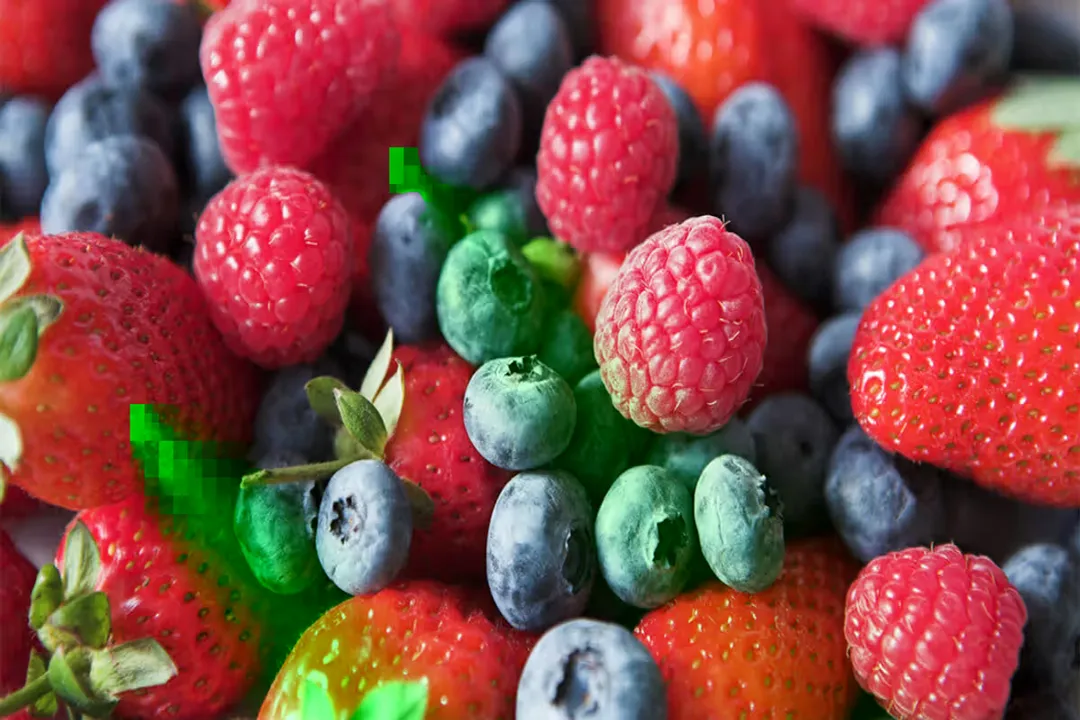
To start, we must clarify the identity of the two fruits. The bilberry is primarily a wild species native to the forests of Northern Europe and Iceland. They thrive in acidic, well-drained soils often found in heathlands or coniferous forests and are notoriously difficult to cultivate commercially, meaning most bilberries consumed today are hand-picked from the wild. This wild heritage means their genetic makeup tends to be consistent.
Blueberries, conversely, are native to North America and have been successfully cultivated since the early 20th century. This successful domestication has led to many varieties, like the highbush (V. corymbosum), which are grown worldwide and are far more common and accessible in standard grocery settings.
# Visual Contrast
The simplest way to tell these berries apart, beyond knowing where they came from, is to look past the skin. While both are generally small and round, bilberries are usually the smaller of the two and possess a color that verges on black. The defining visual clue lies inside: when you slice a bilberry open, the flesh is a deep red or purple hue. American blueberries, however, reveal a pale greenish-white flesh beneath their skin. This internal color difference directly correlates with the variation in their potent pigment compounds.

# Flavor Profile
This difference in internal color speaks directly to the flavor. Bilberries are generally described as having a stronger, richer, and more intense flavor than their blueberry relatives. They possess a tangier profile, often described as mildly sweet yet distinctly astringent, a characteristic amplified by their higher concentration of anthocyanins.
Blueberries, depending on the variety, range from mild and sweet (like highbush) to slightly tart (like lowbush). If you are looking for a deep, concentrated berry flavor for jams, syrups, or preserves, the bilberry offers a more immediate flavor impact. Interestingly, because of this flavor intensity, you might find that a smaller quantity of bilberries provides the desired color and taste in a baked good compared to the milder blueberry, which can be a helpful consideration when planning recipes.
# The Nutritional Heavyweight
The central question—are bilberries healthier—usually boils down to their concentration of health-boosting compounds, particularly anthocyanins. Anthocyanins are the flavonoid pigments responsible for the vibrant red, purple, and blue colors in fruits, known for their antioxidant and anti-inflammatory properties.
The consensus across multiple comparisons is that the bilberry wins on sheer antioxidant potency due to its anthocyanin load.
- Anthocyanin Concentration: European bilberries are reported to contain up to four times more anthocyanins than American blueberries. Bilberries are often cited as the richest berry source of these compounds.
- Specific Compounds: The primary anthocyanidins in bilberries include cyanidin, delphinidin, and peonidin, while blueberries are richer in malvidin. Studies profiling the chemistry confirm that bilberries possess higher concentrations of total phenolics and hydroxycinnamic acids than cultivated blueberries.
Beyond anthocyanins, bilberries frequently show higher quantities of several essential micronutrients when compared on a 100-gram basis:
| Nutrient (Per 100g) | Bilberries (Approximate) | Blueberries (Approximate) |
|---|---|---|
| Fiber | Higher (e.g., 3.6g vs 2.4g) | Lower |
| Vitamin C | Higher (e.g., 49% DV) | Lower (e.g., 16% DV) |
| Manganese | Significantly Higher (e.g., 143% DV) | Lower (e.g., 22% DV) |
| Potassium/Magnesium | Generally Higher | Generally Lower |
However, the picture is not entirely one-sided. One comparative study suggested that cultivated blueberries may sometimes contain higher levels of rutin (a type of flavonoid). Furthermore, the source environment plays a huge role in trace elements; one analysis found that wild bilberries were superior in essential minerals like magnesium and zinc, but cultivated blueberries, depending on fertilization, could show elevated levels of iron and molybdenum. This variability suggests that while the species favors the bilberry nutritionally, the specific soil your berry came from matters for mineral content.

# Targeted Health Advantages
Both berries are associated with general health improvements, such as supporting heart health, reducing inflammation, and offering anti-aging benefits. But the medicinal interest in bilberries often leans toward specific systems:
Bilberry's Strengths: Bilberry extract has strong historical and modern study backing related to eye health. Its anthocyanins are believed to help protect eyes from oxidative stress, potentially improving vision, aiding with eye fatigue, and benefiting conditions like normal-tension glaucoma. Studies have also suggested benefits for glycemic regulation and cardioprotective effects after a heart attack.
Blueberry's Strengths: Blueberries are linked to a well-rounded profile for age-related support, with studies suggesting they support brain health during aging by regulating inflammation and supporting neuronal signaling pathways. Their impact on cardiovascular markers, such as lowering LDL cholesterol and improving arterial function, is also well-established.
If your primary health goal is targeted visual support, the evidence currently favors bilberry extract. If you are seeking reliable, accessible support for general cognitive aging and cardiovascular maintenance, blueberries are an excellent, established choice.
# Practicality and Accessibility
In the real-world kitchen, convenience often tips the scales. Blueberries are the clear winner here. They are widely cultivated, have an extended growing season (April to September in some regions), and are easily found fresh, frozen, or in dried forms year-round.
Bilberries, being primarily wild-harvested and native to specific northern climates, have a much more niche market presence. Outside of specific European regions, finding fresh or frozen bilberries can be difficult, often leaving consumers reliant on concentrated extracts or processed products like jams or liqueurs. The wild harvest also ties their supply directly to the whims of the local weather, leading to greater price volatility compared to the stable supply of cultivated blueberries.
# Environmental Influence
The growing environments of these berries dictate their physical characteristics and resilience. Bilberries thrive in nutrient-poor, acidic forest soils, having developed symbiotic relationships with mycorrhizal fungi to maximize nutrient uptake. However, this wild nature makes them acutely sensitive to climate shifts. Warming winters can cause a failure to properly harden the plant, leading to reduced hardiness and potential frost damage to emerging flowers, which significantly impacts yield.
Blueberries, while also affected by drought and heat stress that can diminish fruit size and sweetness, benefit from intensive agricultural management, including precision fertilization, which can boost yields significantly. For instance, studies on highbush blueberries show that optimized nitrogen and potassium application can increase yield substantially over control groups. This ability to manage inputs allows commercial growers to exert more control over output than is possible with wild bilberries.
# Concluding the Comparison
When directly asking which berry is healthier, the specialized European bilberry generally holds the edge due to its significantly higher concentration of total anthocyanins and several key vitamins and minerals like manganese. Its phytochemical profile is more intense, which translates to potent, targeted benefits, especially for vision.
However, blueberries are the undisputed champion of accessibility, consistency, and widespread use. They offer a robust nutritional package suitable for daily consumption, supported by extensive research on general brain and heart health.
For the general consumer, maximizing dietary intake by including both is the soundest advice. If you are seeking the highest possible antioxidant density in a wild-sourced product, prioritize the bilberry. If you need reliable, year-round supply for smoothies or casual snacking, the cultivated blueberry remains the easiest and most dependable choice. The decision ultimately hinges on whether you prioritize potency and intensity (bilberry) or availability and consistency (blueberry).
Related Questions
#Citations
Bilberry vs Blueberry: Nutrition, Taste & Health Benefits Compared
Bilberry vs. blueberry - what are the key differences?
Bilberries vs. Blueberries: A Comprehensive Review - MDPI
Comparing Blueberries with Blackcurrants and Bilberries. : r/nutrition
Health Benefits of Bilberry - WebMD
The 8 Healthiest Berries You Can Eat - Healthline
Bilberries and blueberries - the same but different - AdexLT