Which tick species serves as the primary carrier of Lyme disease in the Northeast, mid-Atlantic, and North-Central United States?
Answer
Ixodes scapularis
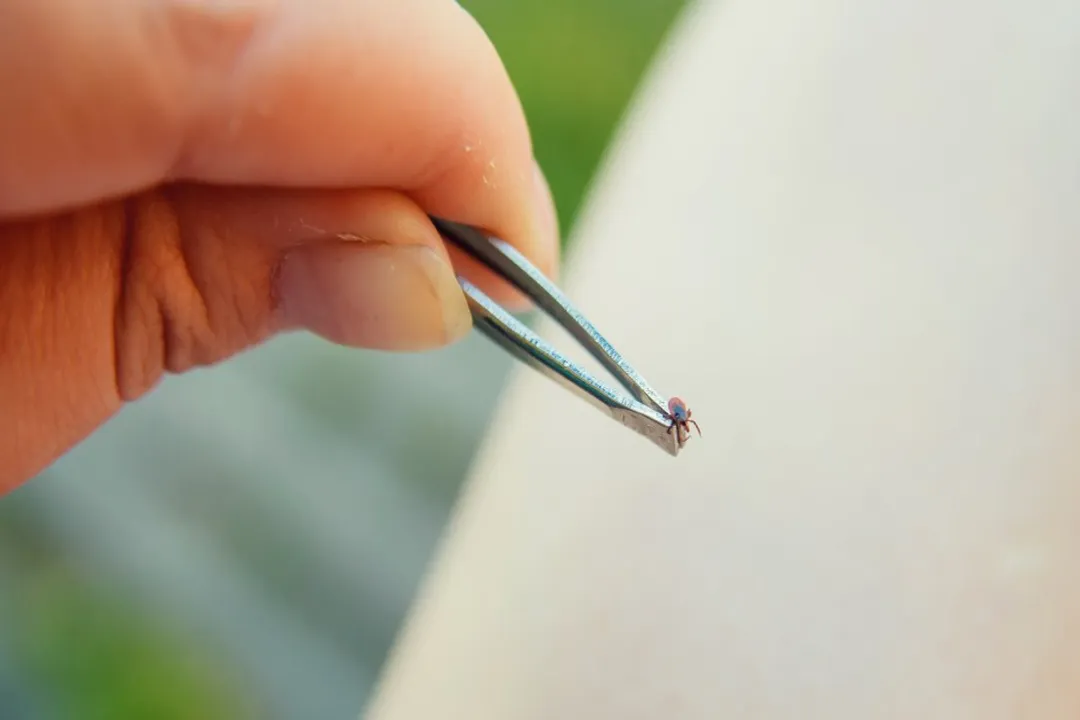
The black-legged tick, scientifically known as Ixodes scapularis, is the primary vector for Lyme disease in the United States. Identifying the tick species can be a helpful component of risk assessment, as the prevalence of Lyme disease is intrinsically linked to the range and habitat of this specific tick.
Related Questions
What is the typical minimum attachment duration required for an Ixodes scapularis tick to transmit the bacteria causing Lyme disease?What is the estimated statistical risk of contracting Lyme disease from a single bite in regions where the disease is widespread?Why are nymph-stage ticks considered the primary cause of human Lyme disease infections?Which method is recommended for removing an attached tick from the skin?In which part of a tick does the bacterium Borrelia burgdorferi reside before it travels to the salivary glands?What is the clinical term for the bullseye rash often associated with early Lyme disease?Why is placing clothing in a dryer on high heat for 10 minutes an effective strategy for tick control after outdoor activities?Which geographic regions in the United States are identified as primary areas for the concentration of Lyme disease?Beyond a skin rash, what are common flu-like symptoms that may indicate an early Lyme disease infection?Which tick species serves as the primary carrier of Lyme disease in the Northeast, mid-Atlantic, and North-Central United States?