What diseases can coral cure?
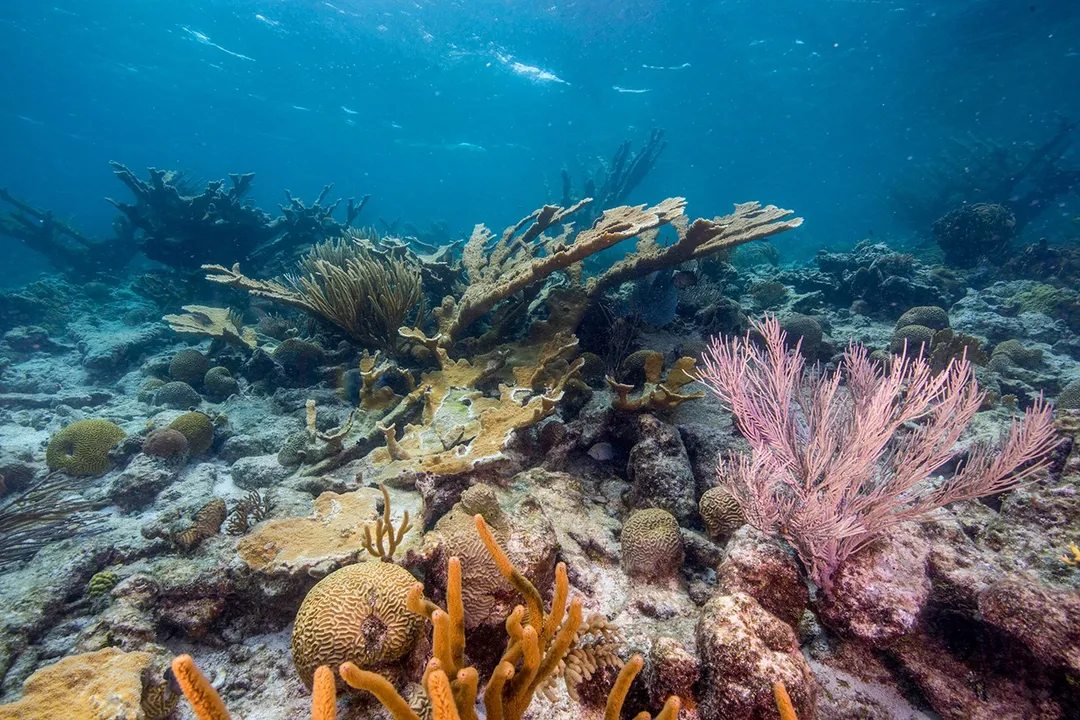
The complex biology that allows corals to build massive, intricate reef structures is also responsible for producing a fascinating array of natural compounds, many of which hold potential for treating human ailments. While the immediate picture of corals often involves their struggle against mounting environmental pressures and devastating diseases, the hidden chemical arsenal they possess suggests a significant role in future medical discovery. These marine invertebrates, along with their associated microbial partners, have evolved sophisticated chemical defenses that researchers are now actively investigating for applications in human health, ranging from fighting cancer to combating bacterial infections.
# Reef Chemistry
Corals are not solitary creatures; they exist in a dynamic partnership with algae and a vast community of microorganisms living on and within their tissues. This intricate biological neighborhood is where novel medicinal compounds often originate. Scientists are examining extracts from corals and the bacteria that colonize them, searching for unique metabolites that serve these organisms in their native environment but could be repurposed by medicine. The compounds found can exhibit diverse biological activities, making them highly attractive targets for pharmacological screening.
For instance, some molecules derived from reef organisms have shown promise as anti-cancer agents. The constant chemical warfare that occurs within a competitive reef ecosystem drives the evolution of highly potent toxins and inhibitors, which can be modified to interfere with the uncontrolled growth characteristic of malignant cells. Similarly, compounds showing anti-inflammatory effects have been isolated, offering potential avenues for treating chronic inflammatory conditions in humans.
# Specific Medical Targets
The catalog of potential human health applications derived from reef life is broad. Certain extracts have demonstrated activity against viruses, including preliminary studies suggesting potential efficacy against HIV. Furthermore, the necessity for corals to defend themselves against opportunistic pathogens in a warm, microbe-rich water environment has yielded powerful antibacterial agents. Given the global crisis of antibiotic resistance, identifying new scaffolds for fighting drug-resistant bacteria is an area of intense focus, and the ocean floor may provide many of the answers.
It is important to distinguish this medicinal promise from the immediate threats facing the corals themselves. While we look to them for cures, the corals are simultaneously suffering from a suite of their own diseases which threaten their very existence. Understanding the chemicals they use to fight off pathogens might offer clues to saving the reefs, even as researchers study those same chemicals for human benefit.
# Diseases Affecting Corals
Coral ecosystems are currently battling an array of infectious diseases that can spread rapidly through a colony or across an entire reef system. These conditions are often exacerbated by rising sea temperatures and other forms of environmental stress, which can weaken the coral host or allow pathogens to proliferate unchecked. The sheer speed at which some of these diseases move through reef populations has led to major conservation concerns globally.
Several highly destructive syndromes are recognized by marine biologists and conservation managers:
- Black Band Disease (BBD): This is typically characterized by a visible band of dark tissue moving across the coral skeleton, leaving behind bare calcium carbonate. It is often caused by a consortium of microbes, including sulfate-reducing bacteria.
- White Band Disease (WBD): This disease causes the rapid loss of coral tissue, exposing the white skeleton beneath, often starting at the base of the colony and moving upward.
- White Plague: Similar to WBD in appearance, this condition results in tissue sloughing off the skeleton, but it often moves much faster, sometimes causing the entire colony to die off in a matter of weeks.
- Stony Coral Tissue Loss Disease (SCTLD): This is a relatively newer and exceptionally devastating outbreak, particularly affecting large, boulder-forming corals in the Caribbean. It causes rapid tissue mortality, often leaving large, white patches on the coral skeleton.
The reality of treating these diseases highlights a significant logistical challenge: attempting to treat microscopic, waterborne, or surface-level infections on sessile organisms spread across vast underwater landscapes. It stands in sharp contrast to treating a localized infection in a controlled, terrestrial environment. While finding a chemical cure for human cancer involves isolating a compound, saving a coral reef from disease requires a localized, physical intervention, often necessitating direct application of medication in the field.
# Interventions and Management
When a disease outbreak occurs, managers and scientists step in with direct treatment protocols to try and slow or stop the progression of the illness. These field treatments are often intensive and localized, focused on saving key colonies or halting the spread within a defined area like a national monument.
# Field Treatments
One established method for dealing with localized infections, such as White Plague or Black Band Disease, involves physically removing the diseased tissue ahead of the advancing margin. After scraping away the infected area, scientists sometimes apply a topical antibiotic paste directly to the exposed, healthy tissue near the lesion to prevent immediate reinfection by opportunistic bacteria. Amoxicillin, for example, has been used in pastes applied directly to the affected coral tissue by researchers at places like Mote Marine Laboratory to fight specific diseases like White Plague.
For outbreaks like SCTLD, management has focused on intensive monitoring, rapid reporting, and controlled culling of hopelessly infected colonies to limit pathogen dispersal. The management priorities established by agencies like NOAA underscore the need for coordinated monitoring, disease response planning, and ongoing research into the agents causing the sickness. The understanding of the microbial communities involved is central to developing these treatments.
# The Conservation Crossroads
The investigation into the medicinal potential of reef organisms occurs against a backdrop of severe ecological decline. This situation creates a necessary ethical tension. On one hand, there is immense scientific potential locked within these organisms that could alleviate human suffering—a clear incentive for discovery and conservation. On the other hand, the very act of sampling or harvesting these organisms to study or potentially cure human diseases adds another layer of pressure to already stressed populations.
It is crucial to recognize that many of the promising chemical structures are not produced by the coral animal itself, but by the symbiotic bacteria or other smaller organisms living within or near the coral structure. Therefore, conservation efforts must target the entire ecosystem, not just the large, visible coral structure. If the microbial partners that produce a potential cancer-fighting compound disappear due to changes in ocean chemistry or habitat loss, that chemical pathway is lost forever, regardless of how much coral structure remains.
When considering the future of drug discovery from the oceans, the sustainability of the source is paramount. Unlike terrestrial plants, which can often be cultivated in farms once a useful compound is identified, the unique, complex biochemical pathways in marine symbionts might require the natural reef environment to be maintained for successful, large-scale synthesis of therapeutic agents. This strongly suggests that the most actionable "cure" related to corals might be ensuring their survival, not just for ecological reasons, but as a necessary step in preserving a library of irreplaceable natural medicines. Protecting the reef means protecting both the ecosystem and its vast, untapped pharmaceutical potential.
Related Questions
#Citations
Corals and Their Potential Applications to Integrative Medicine - PMC
Buck Island's Corals Get Relief from a Deadly Disease (U.S. ...
Mote Marine scientists discover a treatment for diseased corals
Common Coral Diseases And How To Treat Them - Reefco Aquariums
Coral disease - Wikipedia
[PDF] Priorities for Effective Management of Coral Diseases
Short- and Long-Term Effectiveness of Coral Disease Treatments
Medicinal Cures Within Coral Reefs
Understanding Coral Diseases - Juliet Sailing and Diving