What disease is treated with turmeric?
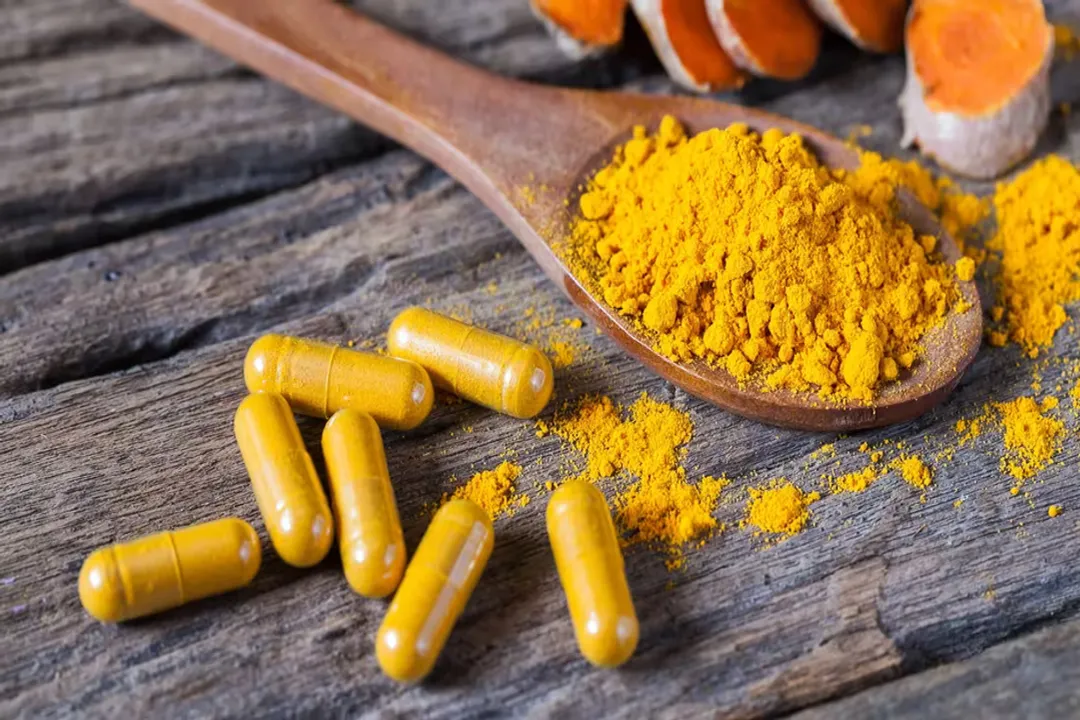
The golden spice known as turmeric, a staple in Indian cuisine and Ayurvedic medicine for centuries, garners significant attention today for its potential health applications. The active compound responsible for much of this buzz is curcumin, a polyphenol that imparts the spice’s vibrant yellow hue. [1][5] While many people reach for turmeric supplements hoping to manage or treat specific ailments, the reality of its efficacy shifts depending on the condition being considered, ranging from well-supported general anti-inflammatory roles to areas where clinical proof remains elusive. [2][7]
# Curcumin Properties
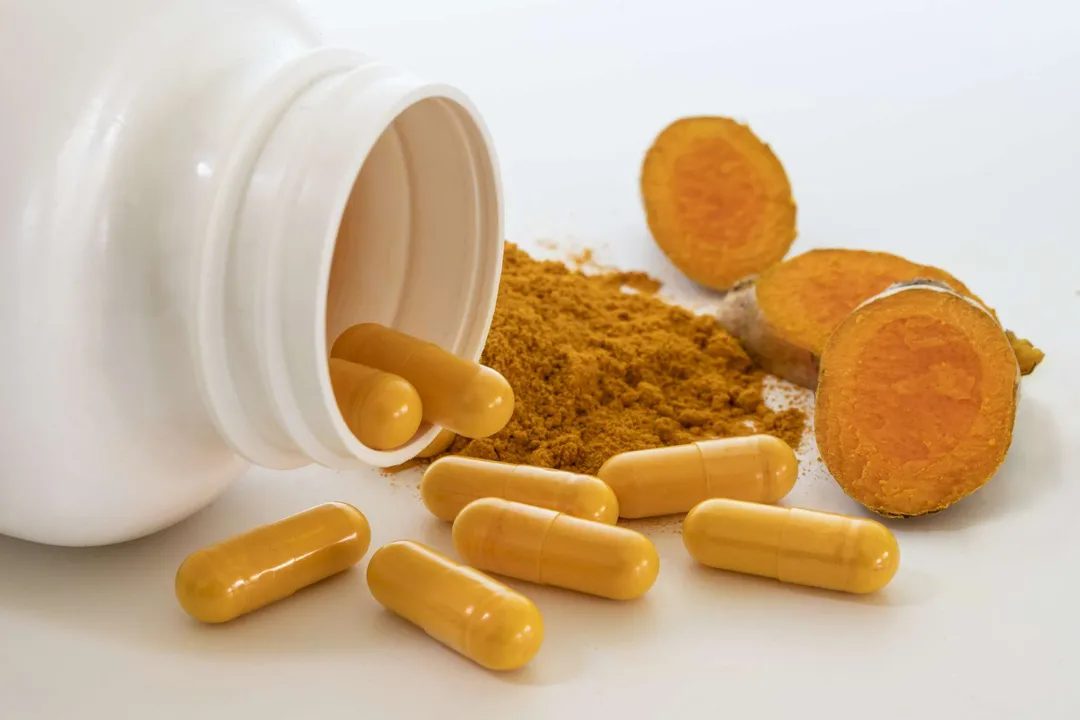
Curcumin’s primary mechanism of action revolves around its strong anti-inflammatory and antioxidant capabilities. [2][6] Inflammation is a natural protective response, but chronic, low-grade inflammation is implicated in the development of many long-term illnesses. [2] Curcumin is known to interfere with several molecules that play a role in inflammation, notably by inhibiting the NF-B pathway, which regulates numerous genes involved in the inflammatory response. [2][5] Furthermore, its antioxidant capacity helps neutralize free radicals, protecting the body against oxidative stress. [1][5]
# Chronic Disease Study
When looking at specific diseases, research into turmeric is often focused on conditions where inflammation is a known driver.
# Pain Relief
A major area of interest is managing pain and related conditions. Some studies suggest curcuminoids may reduce pain sensitivity and improve function in individuals experiencing discomfort, though evidence supporting broad efficacy across all pain types is inconsistent. [8]
# Arthritis Applications
Perhaps the most frequently cited use for turmeric is in managing arthritis. [8] Given its inflammation-fighting properties, this application seems intuitive. [4] However, the Arthritis Foundation cautions that while turmeric shows promise, current evidence does not conclusively prove it is an effective treatment for arthritis pain or symptoms. [4] Many patients take it hoping for relief, but individuals should manage expectations, as clinical trials have not consistently demonstrated a significant advantage over placebo or standard treatment for this specific group of diseases. [4] For those considering it, the experience often involves a trial period to see if any subjective improvement occurs, though reliance on it to replace prescribed medication is strongly discouraged. [4][8]
# Cancer Research
In the context of serious diseases like cancer, turmeric compounds are not used as a primary treatment but are actively investigated in integrative medicine and laboratory settings. [5] Curcumin has been shown in preclinical studies to possess properties that might inhibit cancer cell growth and spread. [5] However, research remains primarily at the lab bench or in early-stage trials, meaning it is far from being an established therapy for any human cancer. [5]
# Gut and Heart Health
Beyond inflammation and pain, turmeric is also researched for its potential effects on cardiovascular health and gut function. [2][6] Its antioxidant properties could theoretically benefit the vascular system by improving endothelial function. [2] In digestive health, some studies suggest a possible role in managing symptoms related to irritable bowel syndrome (IBS) or inflammatory bowel conditions, though this area requires more definitive confirmation. [6]

# Supplement Concerns
While using turmeric as a culinary spice is generally considered safe for most people, [8] using high-dose concentrated extracts or supplements introduces different considerations, particularly concerning dosage and potential side effects. [1]
# Liver Toxicity Risk
A critical safety note involves the liver. While rare, reports have linked certain turmeric-containing supplements to liver damage, sometimes severe enough to require transplantation. [3] It is essential to understand that this risk is associated with supplements, not typical dietary consumption. [3] The liver processes these concentrated substances, and reactions can occur, especially if the product is contaminated or taken in excessive amounts. [3] If an individual is taking other medications or has pre-existing liver conditions, consulting a healthcare provider before starting a high-dose curcumin regimen is necessary. [1][8]
# Bioavailability Hurdle
One significant hurdle in treating any disease with turmeric is the poor absorption of curcumin by the body. When consumed orally, curcumin has low bioavailability, meaning a large portion passes through the digestive system without entering the bloodstream. [1][2] This is a practical challenge when attempting to achieve therapeutic concentrations in tissues.
To overcome this, many supplements pair curcumin with piperine, an alkaloid found in black pepper, which significantly enhances absorption. [1][2] When preparing turmeric at home for dietary benefits, one can mimic this principle by consuming it with a source of fat, such as coconut oil or full-fat milk, as curcumin is fat-soluble. [1][2] This highlights an important distinction: if you are aiming for a measurable, systemic effect, the delivery method of the turmeric is almost as important as the dose itself. [2]
# Interaction Watch
Because curcumin can affect various biological pathways, there is a possibility of interaction with certain medications. [1] For instance, it may slow blood clotting, which is a concern for individuals already taking blood thinners or those scheduled for surgery. [1] Conversely, by acting as a weak inhibitor of certain liver enzymes (like CYP 3A4), curcumin could potentially affect how the body metabolizes some prescription drugs. [5]
# Practical Consumption Methods
The way turmeric is consumed heavily influences whether it is contributing to general wellness or aiming at a specific condition.
# Culinary Versus Medicinal Dosing
When used as a spice, turmeric intake remains low, typically involving amounts measured in teaspoons, and it is incorporated into meals like curries or drinks like "golden milk". [8] This level of intake is generally associated with very low risk. [8] However, to achieve the anti-inflammatory levels discussed in many studies, dosages often need to be much higher, frequently found in standardized supplement forms containing purified curcumin extracts. [1] These higher supplemental doses are where both the potential benefits and the side effect risks increase. [1][3]
# Consistency Over Intensity
For general health maintenance, focusing on consistent, moderate intake, perhaps by regularly adding turmeric to meals or making a daily turmeric beverage prepared correctly for absorption, offers a safer entry point than immediately jumping to the highest available supplement concentration. [9] Many people find that the benefits they seek, such as improved digestion or a subtle reduction in generalized body inflammation markers, come more reliably from consistent dietary integration than from sporadic, high-power supplementation. Think of it less as a singular drug dose and more as a daily functional food inclusion. [9]
Related Questions
#Citations
Turmeric - Uses, Side Effects, and More - WebMD
Turmeric Benefits | Johns Hopkins Medicine
Turmeric and 10 other popular supplements that can damage your ...
Turmeric Probably Won't Help Your Arthritis, But Curcumin Might
Turmeric - Memorial Sloan Kettering Cancer Center
10 Conditions Turmeric Can Help Manage Naturally - Health
Turmeric benefits: A look at the evidence - Harvard Health
Mayo Clinic Q and A: Turmeric for healthier diet, pain relief
Turmeric Health Benefits and Side Effects