What disease is caused by worms?
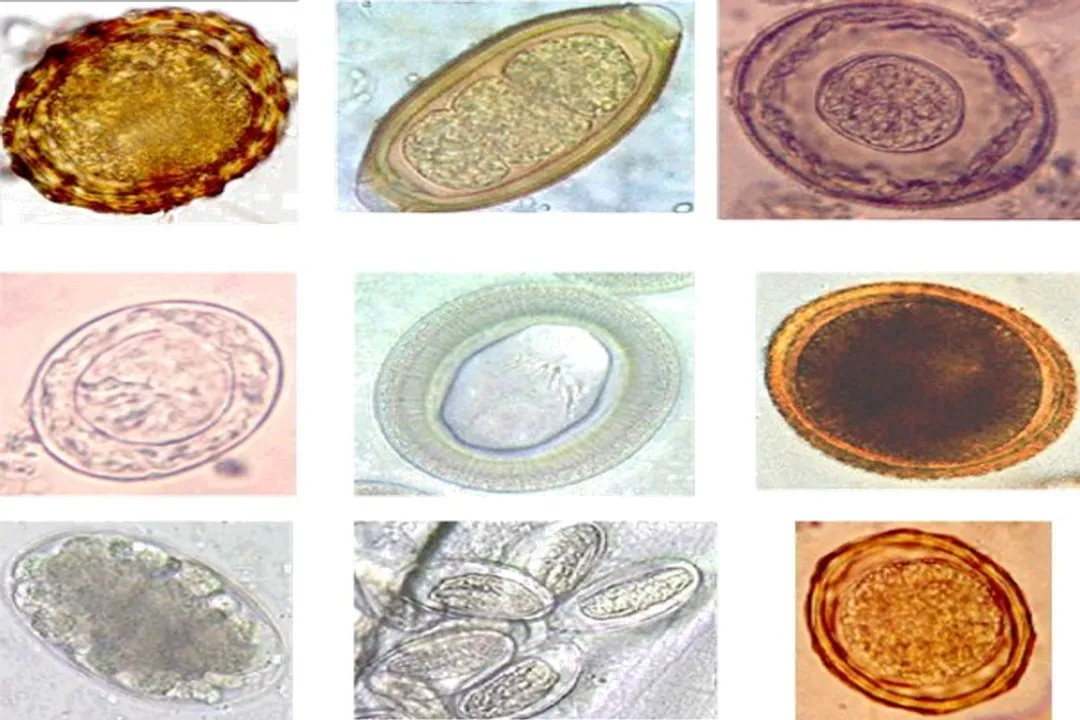
Intestinal parasites encompass a varied group of organisms, chiefly parasitic worms known as helminths, which rely on a living host—often thriving within the gut—to mature, gain nourishment, and seek shelter. These unwelcome guests offer the host zero benefit; instead, they steal resources and can lead to a range of unpleasant symptoms and, in serious cases, significant health risks. Helminths are a polyphyletic group, meaning they share superficial similarities but aren't necessarily closely related evolutionarily. For practical medical classification, they are often grouped into four main categories based on body structure: roundworms (Nematoda), flatworms (Platyhelminthes, which include tapeworms and flukes), ringed or segmented worms (Annelida), and thorny-headed worms (Acanthocephala). An infection with a helminth is technically termed helminthiasis, helminth infection, or intestinal worm infection. It is important to note that conditions like ringworm are fungal infections, not caused by parasitic worms.
The diseases caused by these worms are diverse, ranging from mild irritation to life-threatening conditions, heavily depending on the species involved, the number of parasites present (the worm burden), and the health status of the host.
# Roundworms Diversity

The phylum Nematoda, or roundworms, represents a massive group of helminths, many of which are notorious intestinal parasites. These worms have cylindrical bodies, distinguishing them structurally from the flatworms.
# Ascariasis and Whipworm
Ascariasis, caused by the large roundworm Ascaris lumbricoides, is recognized as one of the most common worm infections affecting people across the globe, with estimates suggesting about 1 billion people are infected. These worms resemble tiny earthworms under a microscope. The infection is most prevalent in tropical and subtropical countries lacking adequate sanitation and waste treatment. While many individuals with ascariasis experience no symptoms, a heavy worm burden can lead to significant issues. The life cycle is complex: after eggs are swallowed, larvae hatch in the small intestine, travel via the bloodstream or lymphatic system to the lungs, mature further, are coughed up, and then swallowed again to mature into adults in the intestine. Severe cases can lead to intestinal blockage, tearing, or blockages in the liver or pancreatic ducts.
Whipworm infection, or trichuriasis, is caused by Trichuris trichiura. These worms are named for their whip-like shape. They typically reside in the large intestine and can sometimes cause a more severe infection than Ascaris. Symptoms often include diarrhea containing blood or mucus, frequent bowel movements, and in advanced cases, anemia, stunted growth in children, and rectal prolapse.
# Hookworm Penetration
Hookworm infections, caused by species like Necator americanus and Ancylostoma duodenale, target the small intestine. A key distinction in transmission is that while eggs are passed in feces, the stage that infects a new host is the larva, which actively penetrates the skin, typically the feet, of a person walking barefoot on contaminated soil. Once inside, these larvae migrate to the lungs before being swallowed to mature into adults that attach to the intestinal walls to feed. Because they attach and feed on host tissues, hookworms cause chronic intestinal blood loss, making iron-deficiency anemia a common and significant complication, especially for women of reproductive age.
# Strongyloides Reproduction
Strongyloides species cause strongyloidiasis. While transmission can occur via ingestion from contaminated soil, this roundworm has a peculiar and dangerous characteristic: unlike Ascaris and Whipworm, Strongyloides can reproduce within the host. In individuals whose immune systems are compromised—such as those with HIV/AIDS or receiving immunosuppressive medication—this ability can lead to a condition called the hyperinfection/dissemination syndrome, which is invariably fatal if not treated promptly and correctly, and is often fatal even with treatment.
# Flatworms Broad Ribbons
Flatworms, belonging to the phylum Platyhelminthes, include tapeworms (cestodes) and flukes (trematodes). These are characterized by a flattened body structure.
# Tapeworms and Ingested Larvae
Tapeworms, such as Taenia solium (pork tapeworm) and Taenia saginata (beef tapeworm), are long, segmented flatworms residing in the digestive tract. Infection occurs when a person ingests the larvae within undercooked pork or beef, or occasionally through contact with contaminated surfaces. Adult tapeworms can be remarkably long; beef tapeworms can measure between 4 to 12 meters. While they live in the digestive tract, the infection can become systemic and severe if the larvae develop into cysts in other tissues, a condition known as cystic echinococcosis or hydatid disease, which can affect the liver, lungs, or brain.
# Flukes and Aquatic Links
Flukes, or trematodes, like the blood flukes responsible for schistosomiasis (also known as bilharzia), are generally unsegmented and have a leaf-shaped head. Schistosomes are notable for residing in blood vessels rather than just the intestine. Infection with flukes is often associated with contaminated water or ingesting infected aquatic plants or fish. For instance, Fasciola hepatica causes fascioliasis. The lifecycle often involves snails as intermediate hosts, where one egg can yield thousands of swimming larvae (cercariae), demonstrating significant multiplication potential outside the definitive human host.

# Beyond the Bowel
While many pathogenic worms focus their attention on the gastrointestinal tract, others migrate or establish themselves in different body systems, causing distinct diseases.
# Migration and Tissue Cysts
Infections like Dracunculiasis, or Guinea Worm Disease, caused by the roundworm Dracunculus medinensis, involve the worm maturing and emerging from the host body. Filariasis, which can lead to Elephantiasis (Lymphatic Filariasis), is caused by filarial worms. Onchocerciasis, or River Blindness, is another serious condition caused by a type of worm.
The zoonotic potential of certain worms leads to issues outside the intestines. Toxocariasis, stemming from contact with dog or cat feces and contaminated dirt, involves larva migrans—the larvae migrating under the skin (causing cutaneous larva migrans or larva currens tracks that can intensely itch) or migrating to the eyes or internal organs (visceral larva migrans). Similarly, Hydatid Disease, caused by ingesting eggs from dog tapeworms (Echinococcus species), is serious because the larvae form cysts in major organs, requiring complex surgical removal.
# Life Cycle Resilience
A major reason parasitic worms persist as a global health challenge is their incredible resilience and ability to evade the host's defenses. Helminths have evolved mechanisms to survive within the host for years, often by secreting immunomodulatory products that essentially dampen the host's immune response, allowing them to reside without immediate attack.
This resilience extends to their eggs, which form the primary means of environmental transmission for many species, particularly the Soil-Transmitted Helminths (STHs). The eggshells are complex structures with 3 to 4 layers composed of proteins, chitinous material, and lipids, granting them strong resistance to desiccation, strong acids/bases, and even common water disinfectants like chlorine, UV light, or ozone. Helminth eggs can remain viable in soil, fresh water, or sewage for many months, and even several years in stored feces or sludge. This hardiness is why inadequate sanitation—where human waste contaminates agricultural soil—is such a critical factor in disease spread. For example, Ascaris eggs develop into an infective stage in soil at about , lower than human body temperature, and take nearly 10 days to become infectious at that temperature.
It is a public health paradox that in many developed nations where these parasites have been largely eliminated through sanitation improvements, there is a correlating rise in allergies and autoimmune disorders. The worms appear to keep certain white blood cells (eosinophils) active, which in turn helps regulate fat tissue and maintain glucose homeostasis. The observation that helminths manipulate the host immune system to promote their long-term survival underscores a complex evolutionary dynamic. While treating active infection is vital for health, this understanding of immune dampening might inform future, highly controlled therapeutic applications for certain chronic inflammatory conditions in populations where these worms are no longer endemic.

# Symptoms and Host Impact
The symptomatic presentation of a parasitic worm infection varies widely. Mild infections, especially with tapeworms or Strongyloides, may present with no noticeable symptoms at all. When symptoms do manifest, they are often related to the digestive tract: abdominal pain, diarrhea, bloating, nausea, vomiting, and general malaise or weakness. Chronic blood loss from hookworms leads to anemia. In children, long-term infections can cause failure to thrive, poor appetite, and impairment of physical and cognitive development.
When worms migrate or obstruct flow, symptoms become acute. Larvae passing through the lungs during the Ascaris lifecycle can mimic asthma or pneumonia, causing dry cough and shortness of breath. Severe cases, as noted with STHs, can cause life-threatening intestinal obstruction.
A unique, visible symptom associated with pinworms (Enterobius) is intense anal itching, especially at night, as the adult female worms leave the anus to lay eggs in the perianal skin folds. For hookworm and Strongyloides, the initial skin penetration by larvae can cause a rash or distinctly moving, intensely itchy tracks known as larva migrans.
# Identification and Evasion
Diagnosing a worm infection relies on identifying the parasite, its eggs, or the host's reaction to it. The primary tool is laboratory analysis of a fresh stool sample to find eggs, larvae, or adult worm segments. For pinworms, which lay eggs externally, the Scotch tape test is employed: sticky tape is pressed around the anus in the morning to capture eggs for microscopic examination. In cases of heavy infection, tapeworms may be seen as segments resembling small grains of white rice in the feces.
When the infection involves tissue migration or cyst formation, like in Hydatid disease or some larval infections, imaging techniques such as X-rays, ultrasound, MRI, or CT scans may be necessary to locate the worms or cysts. Blood tests can also be supportive, revealing elevated eosinophils, a type of white blood cell often increased during parasitic infections, or signs of anemia.
For practitioners dealing with environmental contamination, knowing the egg size and density (between 20 and in size and relative density of 1.06–1.23 for concerning STHs) is important for assessing wastewater treatment efficiency, where Ascaris eggs are often used as the primary indicator due to their commonality and resistance.
# Global Control Strategies
The management of worm infections centers on removing the parasites using specific medications known as antiparasitics or anthelmintics. The specific drug is chosen based on the identified worm. For most common intestinal worms, including Ascaris and Whipworm, medications like albendazole () or mebendazole () are recommended by the World Health Organization (WHO). These drugs work by stopping the parasite's growth or paralyzing and killing it, often requiring just a few doses. Pinworm treatment often involves a course of pyrantel pamoate. For the unique case of Strongyloides stercoralis, which does not respond to albendazole or mebendazole, ivermectin is the recommended agent.
Because STHs are so widespread, affecting about 24% of the global population, the WHO strategy focuses heavily on mass intervention rather than waiting for individual diagnosis. The main goal is morbidity control through Preventive Chemotherapy (PC)—periodic deworming administered to entire at-risk groups (preschool children, school-age children, women of reproductive age) living in endemic areas. This strategy aims to keep the worm burden low enough to prevent adverse health effects like malnutrition and anemia.
While medicine is key, long-term success hinges on addressing the source. Improved sanitation and hygiene education are crucial for reducing soil contamination and subsequent re-infection. For individuals in high-risk areas, or those traveling to them, practicing strict food and water safety is essential. Understand that contamination is often invisible; microscopic, hardy eggs can cling to fresh produce washed in contaminated water or grown in fertilized soil. Therefore, if you cannot personally verify that produce was washed with clean, safe water, it is safer to consume cooked vegetables rather than eating them raw, even if they appear fresh. For areas where sanitation is poor, consistently wearing shoes outdoors prevents hookworm larvae from penetrating the skin, offering a physical barrier against infection. Medications offer a quick eviction notice for existing guests, but sustained prevention requires changing the environmental conditions that allow the eggs to mature into infectious larvae in the first place.
Related Questions
#Citations
Intestinal Parasites & Worms: Symptoms, Types, Treatment
Ascariasis - Symptoms & causes
Parasitic worm
A-Z Index of Parasitic Diseases
Soil-transmitted helminth infections
Worms in humans - symptoms and treatments
Diseases Caused by Worms
What Are Helminths?