What percentage of ticks carry Lyme disease in Oregon?
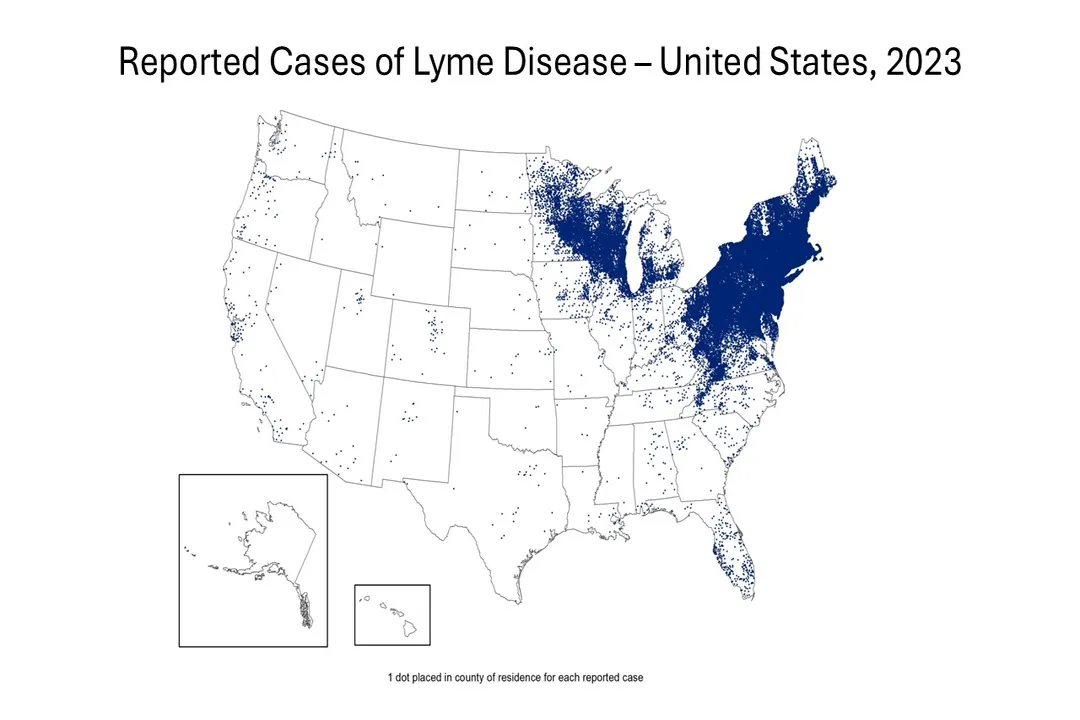
Navigating the outdoors in Oregon brings immense joy, from the lush forests of the Coast Range to the high desert of the east. However, the specter of Lyme disease often casts a shadow over hiking, gardening, and pet ownership. When people ask about the risk of tick-borne illness in the Pacific Northwest, they are usually looking for a concrete number—a percentage of ticks that might be carrying the pathogen. The reality is distinct from what residents of the American Northeast face, offering a clearer picture for those who enjoy the outdoors here. [1][7]
In Oregon, the primary culprit regarding Lyme disease is the Western black-legged tick (Ixodes pacificus). Unlike the common deer tick found in the Eastern United States, the behavior and infection rates of the Western black-legged tick are notably different. For many, the fear is driven by national headlines and comparative data that doesn't account for the specific ecological barriers that keep Oregon’s Lyme disease rates relatively low. [1][2][9]
# The Vector
Understanding the threat starts with identifying the tick itself. The Western black-legged tick is the specific species that can transmit Borrelia burgdorferi, the bacterium responsible for Lyme disease. [1] These ticks go through three life stages—larva, nymph, and adult—and they require a blood meal at each stage to progress to the next.
What makes this tick unique in Oregon is its habitat preference and host interactions. They are most commonly found in moist, humid areas with dense vegetation, which includes much of western Oregon. [6] While they are present, their activity levels and the likelihood that they are carrying the bacterium are markedly different from their eastern cousins. Many people mistakenly identify any small, dark tick as a "Lyme tick," but the Western black-legged tick is distinct in its physical appearance and preferred environment. [3]
# Prevalence Data
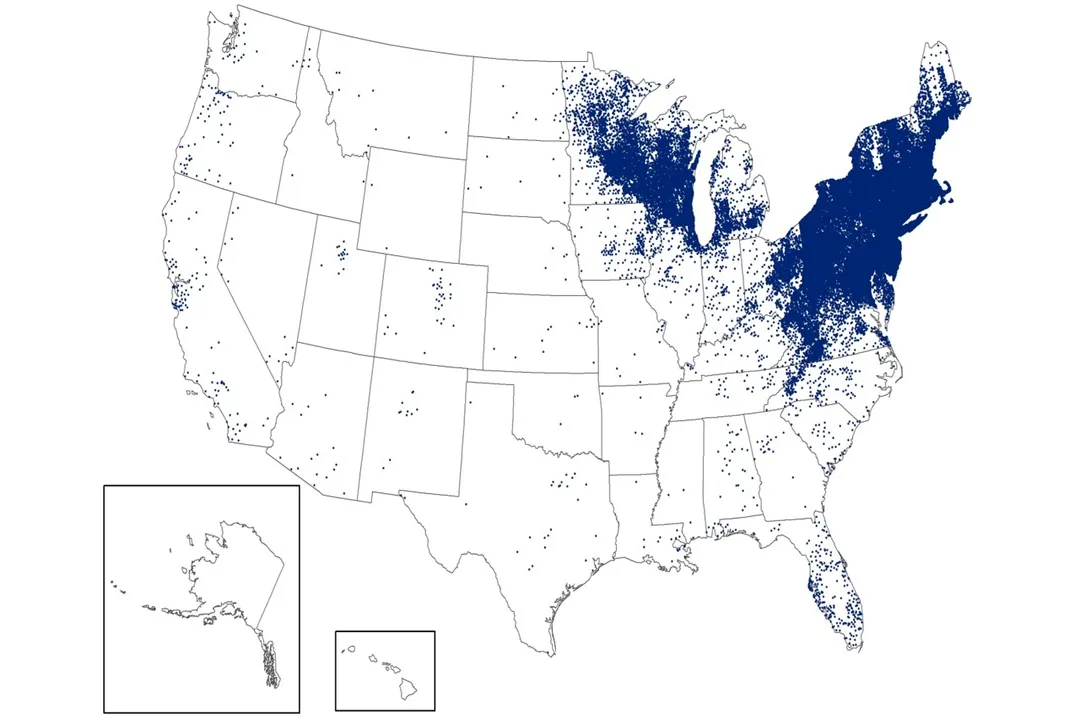
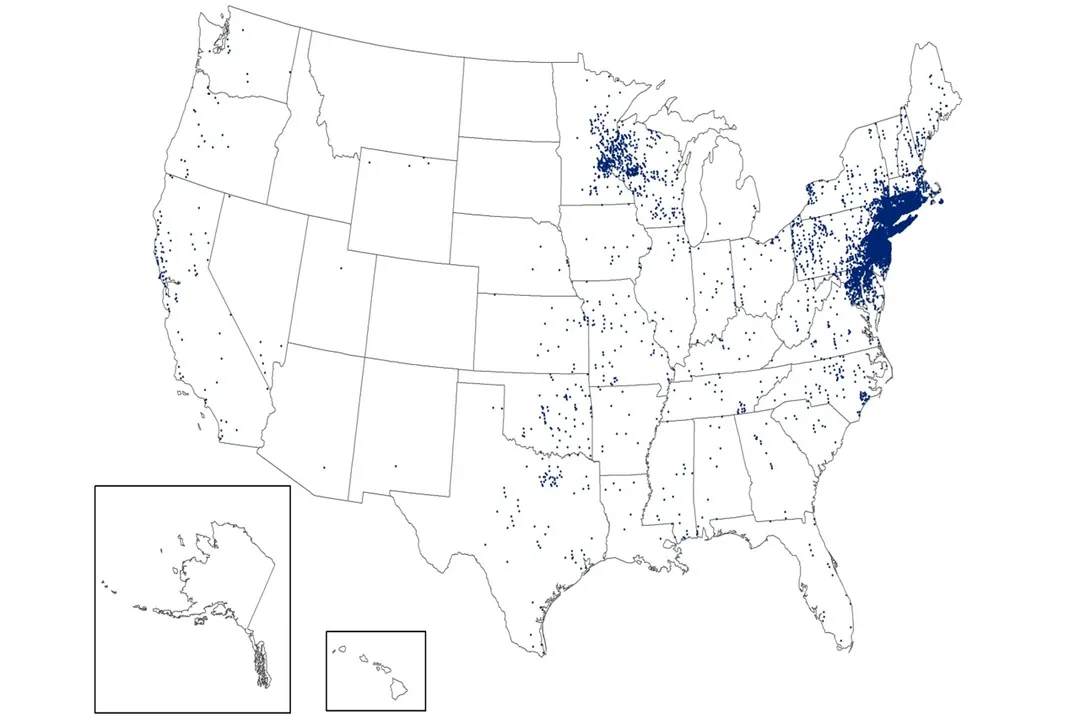
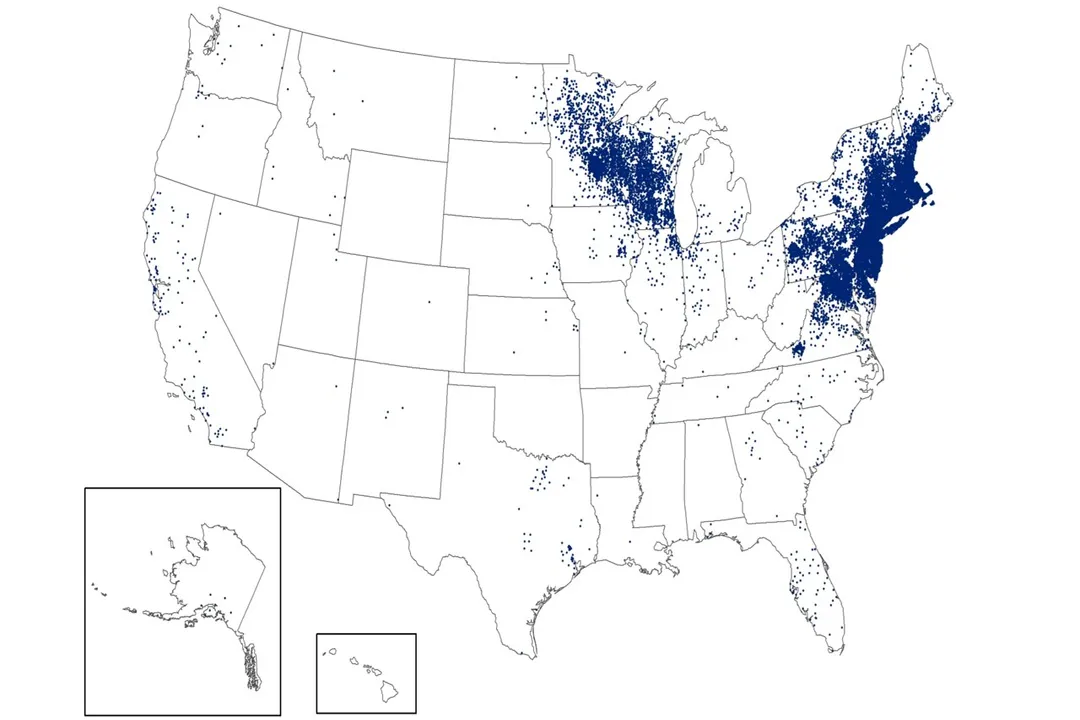
When looking at the numbers, the contrast is stark. In the Northeastern United States, infection rates in adult ticks can be staggering, sometimes reaching 50% or more in certain localized areas. [8] In Oregon, the prevalence is consistently low. While rates can fluctuate slightly based on microclimates and local wildlife populations, studies generally indicate that the infection rate for Ixodes pacificus in Oregon is quite low, often significantly less than 5% in studied populations. [2][9]
This data does not mean the risk is zero, but it does mean that the statistical likelihood of encountering a tick that transmits Lyme disease is a fraction of what one might face in, for example, New York or Connecticut. Most ticks found in Oregon, including the Pacific Coast tick (Dermacentor occidentalis) and the American dog tick (Dermacentor variabilis), do not carry the Lyme bacterium at all. [1][9]
To provide better context, here is a comparison of risk profiles based on general environmental and biological data:
| Region | Primary Vector | Approximate Lyme Carriage Rate |
|---|---|---|
| Northeast US | Ixodes scapularis | High (often 30% - 50%) |
| Oregon | Ixodes pacificus | Very Low (< 5%) |
This table illustrates why regional context matters. While a tick bite is never pleasant, the biological reality of the Pacific Northwest significantly lowers the probability that a bite will result in Lyme disease compared to other parts of the country. [2][8]

# Risk Context
It is helpful to address why Oregon occasionally appears on lists of states with high rates of tick-borne illness. Some news reports have suggested Oregon ranks in the top 20 for tick-borne illnesses. [4] It is important to distinguish between "Lyme disease specifically" and "tick-borne illnesses in general." Oregon does see other conditions, such as Anaplasmosis or Tick-borne Relapsing Fever, which are distinct from Lyme disease. [1]
When you see headlines about tick-borne diseases, they often aggregate data. If you are specifically concerned about Lyme, the risk remains statistically low. However, that does not mean you should abandon caution. Ticks are opportunistic parasites, and they do not just carry Lyme; preventing any tick bite is the most logical health strategy. [6]
# Geographical Factors
Oregon’s diverse landscape plays a major role in tick distribution. You are not equally likely to encounter a tick in a downtown park in Portland as you are in the tall grasses of a rural county in the Willamette Valley. Ticks thrive in ecotones—the areas where forests meet fields—or along hiking trails where they can latch onto passing hosts. [6]
Factors that influence local tick prevalence include:
- Humidity: Ticks are prone to desiccation and prefer moist environments.
- Host Availability: The presence of lizards and rodents affects the prevalence of the bacteria in the tick population. Interestingly, in California and parts of the Pacific Northwest, the Western fence lizard is a common host. It carries a protein that actually kills the Lyme bacteria in the tick’s gut, potentially contributing to lower infection rates in these regions. [2]
- Seasonality: While ticks can be active year-round in milder climates, they are most active during the spring and early summer when the weather is warm and damp. [3]

# Prevention Habits
Because the percentage of carrying ticks is low, many people in Oregon develop a false sense of security. While the odds are in your favor, taking a proactive approach to tick prevention is a habit that pays off. It is better to focus on barrier methods than to rely on the low statistical probability of disease. [6]
A Basic Checklist for Outdoor Safety:
- Clothing: Wear light-colored clothing. This makes it significantly easier to spot a dark tick crawling on your fabric before it reaches your skin.
- Barriers: When hiking in tall grass or brush, tuck your pant legs into your socks. It looks unconventional, but it provides a physical barrier that is incredibly effective.
- Repellents: Use EPA-registered insect repellents. Products containing DEET or Picaridin are standard, but consider Permethrin for your clothing and gear. Permethrin is a game-changer because it kills ticks on contact rather than just repelling them.
- The Tick Check: This is the most critical step. After any outdoor activity, check yourself, your children, and your pets. Ticks often migrate to warm, dark areas (waistbands, armpits, scalp).
# Pet Safety
Companion animals are often the first to bring ticks into the home. If you have a dog that spends time in the brush, they are at higher risk than humans simply because they spend more time nose-to-the-ground in tick habitat. [9]
Veterinarians in Oregon often recommend year-round tick preventatives for pets, not just for Lyme, but to prevent other local issues like tick paralysis or Anaplasmosis. [9] If you find a tick on your pet, the best practice is to remove it with fine-tipped tweezers, pulling upward with steady, even pressure. Do not use petroleum jelly, matches, or nail polish—these outdated methods can cause the tick to regurgitate, potentially increasing the risk of infection if the tick is carrying pathogens. [3]
# Identification Mistakes
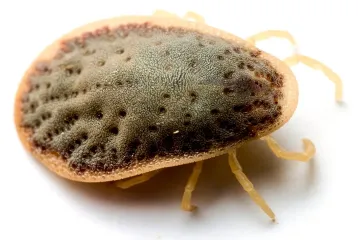
A common point of confusion is misidentifying the tick itself. If you find a tick on yourself, you might panic, assuming it is a Western black-legged tick carrying Lyme. Often, it is a dog tick or a wood tick, which are larger and easier to spot. [3]
If you are unsure what you have found, most public health departments or local university extension offices have resources to help with identification. Understanding what you are looking at can help lower anxiety significantly. If you are in Oregon, your local county health department often has fact sheets that provide visual guides specific to the region. [3]
# Final Assessment
The low percentage of ticks carrying Lyme disease in Oregon is a fact supported by entomological research, but it should be viewed as a reason for moderate awareness rather than total indifference. You do not need to avoid the beautiful Oregon wilderness out of fear. Instead, apply the same logic you would to any other outdoor hazard—respect the environment, prepare appropriately, and perform consistent checks.
By focusing on physical prevention and understanding that the "high risk" zones of the East Coast do not translate to the Pacific Northwest, you can enjoy the outdoors with confidence. Knowledge of the local vector and its behavior is your best defense, far more effective than worrying about statistical percentages. Stay vigilant, enjoy the trails, and remember that a simple tick check at the end of the day is the most effective tool in your health toolkit. [6]
Related Questions
#Citations
Fact Sheet: Lyme Disease in Oregon
Lyme Disease in Oregon - PMC - NIH
Ticks and Tick Prevention | Deschutes County Oregon
Oregon ranks in top 20 states for tick-borne illnesses
Which states have the highest risk for Lyme disease and ...
How to protect yourself from ticks - OSU Extension Service
Lyme Disease Case Maps
In the Northeast, 50% of Adult Ticks Carry Lyme Disease
Lyme Disease & Ticks
Lyme Disease in Oregon