What is the disease in the Argasid ticks?
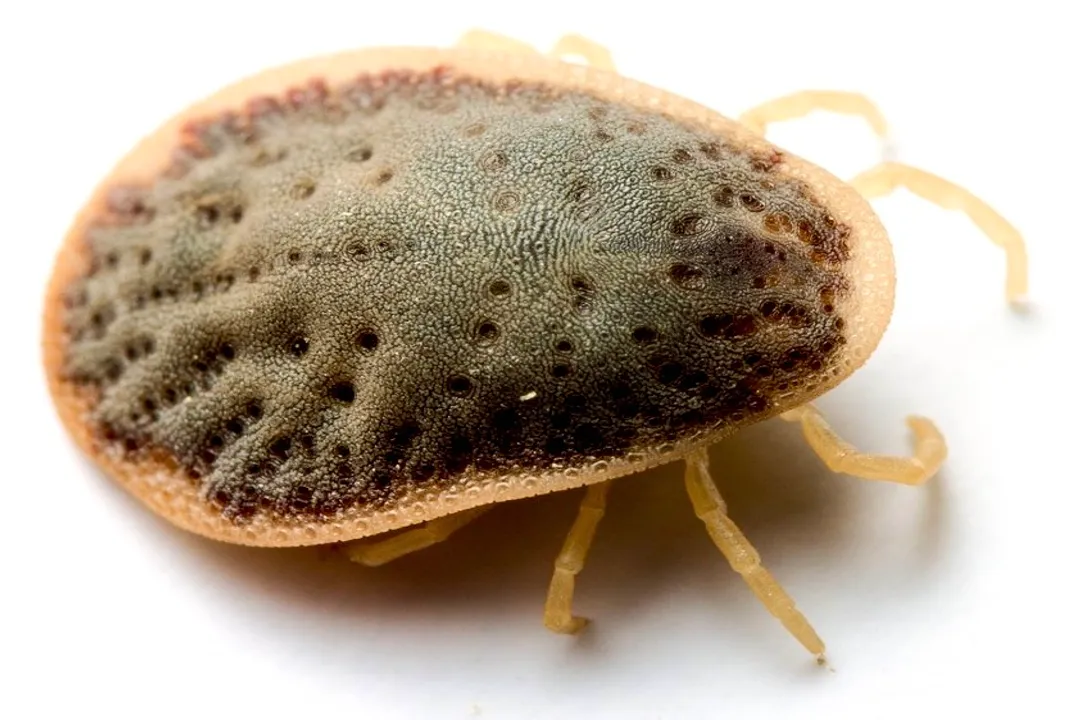
The concern surrounding ticks often defaults to the hard-bodied varieties—those engorged, flat-backed creatures that cling stubbornly for days. However, the group known as Argasid ticks, or soft ticks, presents a distinct, often underestimated public health challenge, primarily because the diseases they carry differ significantly from the Lyme disease or Rocky Mountain Spotted Fever often associated with their hard-shelled cousins [cite 3]. These arachnids belong to the family Argasidae and are recognizable by their leathery, wrinkled skin, lacking the rigid dorsal shield (scutum) found on hard ticks [cite 2][cite 6]. Understanding the ailments connected to soft ticks requires focusing on their unique biology and feeding habits, which influence pathogen transmission dynamics.
# Soft Tick Biology
Unlike the Ixodid (hard) ticks, which typically require a single, long blood meal over several days to progress through life stages, Argasid ticks are known for short, rapid feeding episodes [cite 3]. They often feed at night, sometimes attaching for only a few minutes to an hour before retreating to sheltered, dark locations like cracks in walls, under bedding, or within animal burrows [cite 3][cite 6]. This behavior means people might be bitten multiple times over a short period without realizing it, as the tick is often gone before the feeding is noticed, and their saliva contains anesthetic properties that can mask the bite [cite 2]. Furthermore, many soft ticks can feed on multiple hosts throughout their long lifespan, which can span several years [cite 2]. A particularly relevant biological feature for disease ecology is transovarial passage, where pathogens are passed directly from the infected female tick to her eggs, meaning nymphs and subsequent generations can be born infectious without ever having taken an infected blood meal [cite 4][cite 7].
# Relapsing Fever Vector
The most infamous human disease linked to the Ornithodoros genus of soft ticks—a primary group within the Argasidae family—is Tick-Borne Relapsing Fever (TBRF) [cite 4]. This illness is caused by spirochete bacteria of the Borrelia genus, such as Borrelia turicatae in the United States, which differs from the Borrelia burgdorferi that causes Lyme disease [cite 4].
TBRF is characterized by recurring episodes of fever, often lasting several days, followed by periods of being symptom-free, creating the relapsing pattern that gives the disease its name [cite 4][cite 5]. While often associated with outdoor camping or exposure in rustic settings like cabins, caves, or animal shelters, outbreaks have also been documented in institutional settings, such as military barracks or long-term care facilities where ticks might be established unnoticed [cite 4][cite 10].
In the US context, Ornithodoros hermsi, O. parkeri, and O. turicata are significant vectors [cite 4]. A fascinating point of divergence from hard tick diseases is that the transmission mechanism for TBRF is often mechanical rather than requiring the pathogen to multiply within the tick’s tissues before inoculation. If infected tick feces or crushed infected ticks come into contact with the bite wound or mucous membranes, infection can occur [cite 4]. This contrasts with the slow injection process typical of some hard tick-borne illnesses.
It is noteworthy that while hard ticks generally carry a higher public health burden for diseases like Lyme, the Argasid-borne TBRF often presents with higher fatality rates when untreated, underscoring the seriousness of even seemingly less common tick-borne illnesses [cite 7].

# Secondary Pathogens
While TBRF garners significant attention regarding Argasid ticks, these vectors are not limited to one type of pathogen. Soft ticks have been implicated in the transmission or carriage of several other significant zoonotic agents [cite 1][cite 7].
# Q Fever Agent
Coxiella burnetii, the bacterium responsible for Q fever, is frequently found in soft ticks, particularly those inhabiting environments frequented by domestic birds or livestock, such as poultry houses or farm buildings [cite 1][cite 7]. Q fever in humans typically presents as a flu-like illness, although it can lead to severe complications like pneumonia or endocarditis in a small percentage of cases [cite 1]. The ecological role of the soft tick in maintaining the Q fever cycle, especially in areas with high bird populations, suggests that ticks can act as reservoirs and bridging agents between wildlife, livestock, and humans [cite 7].
# Other Bacteria
Tularemia, caused by Francisella tularensis, has also been isolated from soft ticks in certain regions [cite 7]. Tularemia is a serious bacterial disease that can manifest in several ways, depending on the route of infection. Although rabbits and rodents are primary reservoir hosts, ticks can serve as mechanical transmitters.
Furthermore, scientific investigation continues to reveal other microbial associations. For instance, studies focusing on ticks in specific geographic or environmental niches—like bat habitats—have detected various bacteria, including Rickettsia species and sometimes even agents causing anaplasmosis or babesiosis, though these latter two are classically associated with hard ticks [cite 1]. This highlights the importance of environmental surveillance specific to the Argasid habitat.
# Comparative Vector Ecology
The context of soft tick disease acquisition is inherently different from hard tick exposure, which offers an area for practical insight. Hard tick bites often occur in wooded, grassy, or shrubby areas during daytime excursions. In contrast, soft tick exposure, particularly to Ornithodoros species, is often linked to prolonged presence in specific structures—a cabin, a chicken coop, or a vacation rental that hasn't been maintained—where the ticks can establish secretive colonies [cite 3][cite 6]. If a person experiences unexplained fevers following a stay in a rustic environment, the possibility of a rapid-feeding, nocturnal soft tick bite should be considered early in the diagnostic process, even if no tick was ever seen attached.
When evaluating the risk, considering the host association is useful. For example, O. hermsi in the Western US is strongly associated with small rodents nesting near or inside human habitations, directly linking the rodent-tick cycle to human infection [cite 4]. If you are dealing with an outbreak in a stable or shed environment, investigating the local rodent population and cleaning out harborage sites becomes just as critical as treating the hosts themselves. Simply removing the larger animal host might not clear the problem if the tick eggs are already present in the structure.
# Pathogen Maintenance
One of the most compelling differences in soft tick-borne disease ecology is the mechanism of pathogen maintenance within the tick population, which speaks directly to their potential for long-term endemicity. As noted, transovarial transmission is a major factor [cite 4][cite 7]. This allows the pathogen, like Borrelia turicatae, to persist across multiple tick generations without needing to feed on a vertebrate host for the tick population itself to remain infectious.
This mechanism contrasts sharply with many hard tick-borne diseases, where the pathogen often requires feeding on an infected host (e.g., a deer for Lyme) to be passed from one tick life stage to the next, often involving feeding on a different host species between larval, nymphal, and adult stages. The inherent ability of soft ticks to maintain the infectious agent vertically within their lineage makes eradication or local control significantly more challenging once a colony is established within a building or cave system [cite 7]. Effective control, therefore, must target both the ticks themselves and their established microhabitats, rather than just treating symptomatic animals or people in isolation.
# Habitat Concerns
The habitat of Argasid ticks dictates the type of disease risk a person faces. The life cycle success of these ticks is tied to finding secure, moist, and temperature-stable environments near their hosts [cite 2].
For instance, poultry producers or keepers of domestic fowl must be highly alert to the presence of soft ticks, as the ticks can thrive in cracks within wooden coops, feeding readily on chickens and other birds, which can harbor agents like C. burnetii [cite 1]. Similarly, cavers or spelunkers are at elevated risk for TBRF due to the presence of Ornithodoros species that feed on bats or cave-dwelling rodents [cite 4].
This environmental dependency is key to risk mitigation. If a case of TBRF is confirmed, investigators need to determine not just where the patient slept, but what shelters or crevices might have allowed ticks to reside unnoticed for long periods, often near where rodents or bats have access.

# Managing Soft Tick Encounters
Because soft ticks are highly adept at hiding and their feeding is brief, noticing the tick itself is rare [cite 3]. This leads to a diagnostic difficulty: the clinical suspicion for a soft tick-borne illness may only arise after the symptomatic period begins, long after the arthropod has left the host.
If an individual suspects an encounter in a high-risk setting (like sleeping in a rustic cabin) and develops unexplained fever, immediate consultation is necessary. Physicians should be made aware of the potential for TBRF, as the treatment protocol, typically involving antibiotics like doxycycline or ceftriaxone, is distinct from therapies used for other common arboviruses or bacterial infections [cite 5]. Proper identification of the causative Borrelia species is crucial for tailoring the length and type of antibiotic course needed to clear the infection fully.
#Videos
Diseases transmitted by soft ticks Argasidae - YouTube
Related Questions
#Citations
Inventory and update on argasid ticks and associated pathogens in ...
Argasid Ticks - Integumentary System - Merck Veterinary Manual
Argasidae Soft Ticks & Soft Bodied Tick Bites - PestWorld.org
Ixodid and Argasid Tick Species and West Nile Virus - CDC
Soft Tick - PacVec
Soft Ticks (Argasidae) 101: A Free Resource | TickSafety.com
A review of argasid ticks and associated pathogens of China
Health risks associated with argasid ticks, transmitted pathogens ...
Diseases transmitted by soft ticks Argasidae - YouTube