How common is Lyme disease in the Pacific Northwest?
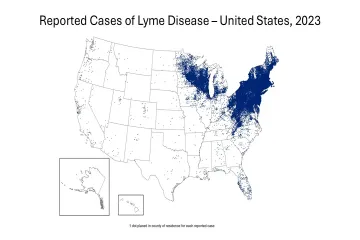
Many outdoor enthusiasts, hikers, and families who spend time in the woods of the Pacific Northwest often worry about the threat of Lyme disease, especially after hearing about high infection rates in other parts of the United States. While caution is always a wise approach when heading into the wilderness, it is important to understand that the reality of Lyme disease in this region differs significantly from the narrative often presented by national media outlets. [2][8] Lyme disease is not impossible to contract in the Pacific Northwest, but it is statistically quite rare compared to the Northeast and Upper Midwest. [9]
Understanding this disparity requires looking at both the environment and the specific species of ticks that inhabit the region. While many people assume all ticks carry the same risks, the tick responsible for transmitting Lyme disease—the Western black-legged tick—behaves differently than its Eastern cousin, the black-legged tick. [3][4]
# Risk Reality
The primary reason for the lower incidence of Lyme disease in Washington, Oregon, and the surrounding areas is linked to the specific ecosystem dynamics that influence the Western black-legged tick (Ixodes pacificus). [3] In the Eastern United States, ticks feed heavily on mice and small mammals, which are highly efficient reservoirs for the bacteria that causes Lyme disease (Borrelia burgdorferi). [3] When a larval tick bites an infected mouse, it becomes a carrier, eventually passing the bacteria to humans later in its life cycle. [3]
In the Pacific Northwest, the dynamic shifts. The Western black-legged tick frequently bites the Western fence lizard. Research has demonstrated that the blood of these lizards contains a specific protein that effectively kills the Lyme bacteria. [3] Because these ticks spend so much of their feeding time on lizards rather than on small mammals, a much smaller percentage of the tick population in the Pacific Northwest carries the infection. [3]
Data confirms this, showing that human Lyme disease cases in Washington and Oregon remain relatively low annually, often numbering in the dozens rather than the thousands seen in high-risk states. [1][9] This does not mean the risk is zero, but it does mean that encountering a tick in the woods does not automatically equate to an encounter with Lyme disease.
| Tick Species | Primary Habitat | Primary Host Interaction | Lyme Risk |
|---|---|---|---|
| Western Black-legged | Pacific Coast | Western Fence Lizard | Low |
| Eastern Black-legged | Northeast/Midwest | Mice/Small Mammals | High |
# Tick Identification
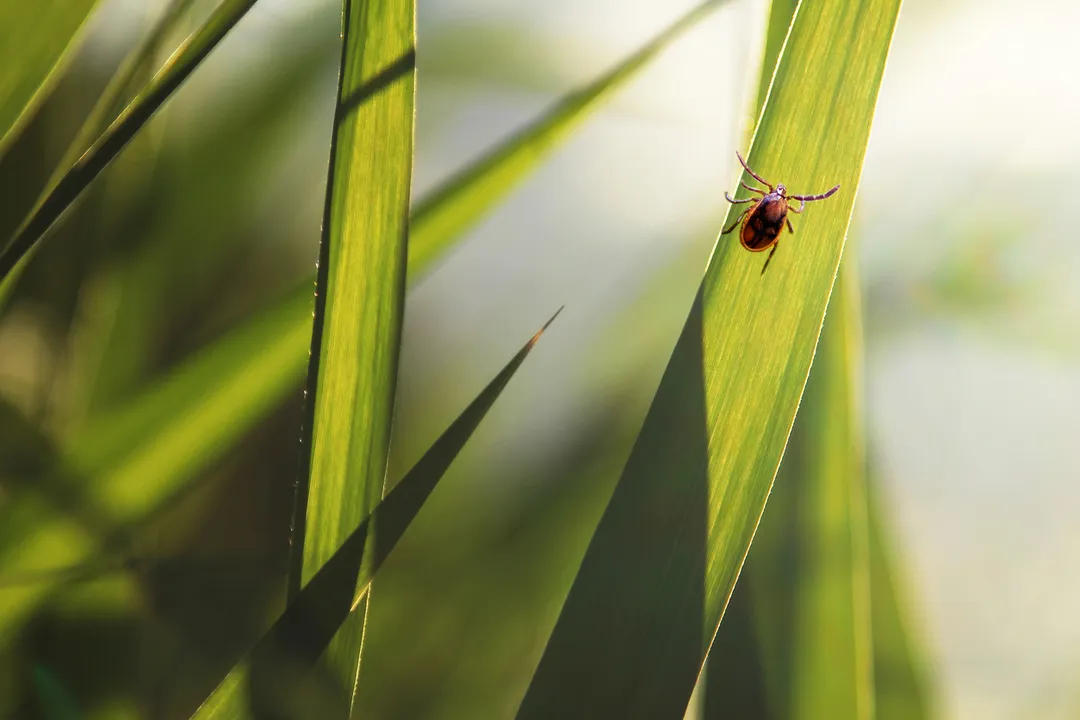
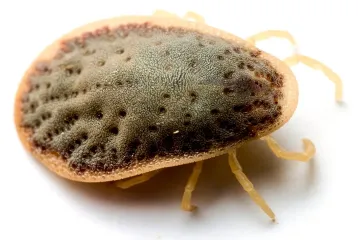
Knowing what you are looking for can help calm nerves. People often misidentify the common wood tick or dog tick as the Western black-legged tick. [5] While you should avoid all tick bites, it helps to know that the Western black-legged tick is generally quite small, often described as poppy-seed size, especially in its nymph stage. [5]
Dog ticks and wood ticks are larger, typically brown with white or silver markings, and they are generally not carriers of Lyme disease. [5][8] If you find a tick that is larger, flat, and looks distinct from the tiny black-legged tick, the likelihood of it carrying Lyme disease is virtually non-existent, though other tick-borne pathogens can still exist in rare instances. [5]
# Geographic Patterns
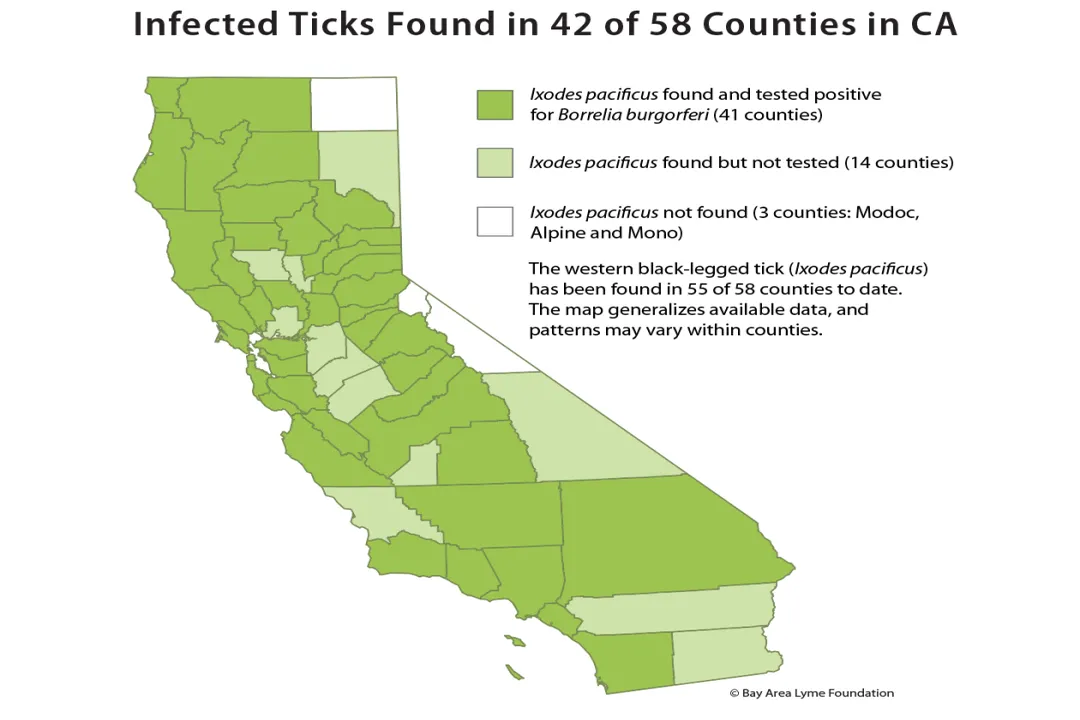
Lyme disease risk is not uniform across the Pacific Northwest. Some areas have higher concentrations of infected ticks than others. [1] For example, certain counties in Northern California and parts of Southern Oregon have recorded higher numbers of infected ticks compared to regions further north in Washington. [6][8]
It is helpful to view tick density as a localized issue rather than a universal regional one. [5] Ticks thrive in specific micro-climates, such as tall grasses, leaf litter, and forested areas with high humidity, rather than open, sunny, or dry environments. [4] Being aware of the specific environment you are entering can change your risk assessment more effectively than simply worrying about the entire state. [1]
# Prevention Tips
Even though the risk of Lyme disease is lower in the Pacific Northwest, practicing consistent prevention is still the best policy to avoid ticks entirely. Ticks cannot jump or fly; they wait on the tips of grasses or shrubs, a behavior known as "questing," and climb onto hosts as they brush past. [2]
- Protective Clothing: Wear light-colored clothing. This makes it much easier to spot a dark-colored tick before it finds a place to attach. Tucking pant legs into socks creates a physical barrier that keeps ticks from climbing up your legs. [2]
- Repellents: Using DEET or Picaridin on skin, or treating your outer clothing and gear with permethrin, is highly effective. [2] Permethrin is particularly powerful because it kills ticks on contact rather than just repelling them.
- The Post-Hike Check: This is the single most effective action you can take. Upon returning home, strip down and inspect your entire body. Ticks often migrate to warm, dark areas like the scalp, armpits, and groin. [7] Having a partner help check areas you cannot see is a smart practice.
- Pet Safety: If you take dogs hiking, they are magnets for ticks. Use veterinary-recommended flea and tick preventatives consistently. Check your pets thoroughly before letting them back into the house, as they can easily transport ticks into your living space. [2]
# Medical Response
If you find a tick attached to your skin, do not panic. The transmission of Lyme disease usually requires the tick to be attached for at least 24 to 48 hours. [1] The physical act of removing the tick is the most critical step to prevent transmission.
Use a pair of fine-tipped tweezers to grasp the tick as close to the skin as possible—the head, not the body—and pull upward with steady, even pressure. [1] Avoid twisting or jerking, as this can cause the mouthparts to break off and remain in the skin. [7] Once removed, clean the bite area with rubbing alcohol or soap and water.
Keep an eye on the site for the next few weeks. While the "bullseye" rash is a classic sign of Lyme disease, it does not appear in every case. [7] If you develop a fever, chills, fatigue, body aches, or a rash, consult a healthcare provider. Mention that you have been hiking and had a tick bite, as this context helps doctors make an informed diagnosis. [1][7]
# Common Misconceptions
A frequent source of anxiety in the region is the misattribution of symptoms. Because Lyme disease is so heavily publicized nationally, people often assume that any unexplained fatigue, joint pain, or flu-like symptoms after a summer hike must be Lyme disease. [7] While these symptoms can be associated with the illness, they are also indicative of many other common conditions.
It is rare for someone in the Pacific Northwest to contract Lyme disease without knowing they had a tick bite, or at least spending significant time in prime tick habitat during the nymph season. [3] If you have not been in the woods and have not had a tick bite, the statistical likelihood of your symptoms being Lyme disease is exceptionally low. Always consult a professional for a proper diagnostic process rather than assuming the source of your symptoms based on online information. [1]
# Actionable Advice
To manage your own risk effectively, consider keeping a "tick kit" in your hiking bag. This kit does not need to be complicated. A small container with a pair of fine-tipped tweezers, an alcohol wipe, and a small magnifying glass can provide everything you need to deal with a tick on the spot. [7] By having these tools, you reduce the stress associated with finding a tick, allowing you to remove it quickly and continue your day with confidence.
Additionally, if you frequent the same trails, pay attention to the seasons. Tick activity in the Pacific Northwest often peaks during the spring and early summer when the nymphs are most active and vegetation is lush. [1] During the late summer and fall, when the weather dries out, tick activity often drops significantly because these arachnids rely on humidity to survive. [4] Adjusting your hiking habits based on the season can be a simple way to minimize exposure without needing to change where you choose to enjoy the outdoors.

Related Questions
#Citations
[PDF] Fact Sheet: Lyme Disease in Oregon
Is Lyme Disease a Problem in the Pacific Northwest?
Lyme Disease in Oregon - PMC - NIH
Top 5 West Coast States for Ticks and Lyme Disease
Ticks are a Growing Concern in WA: What you Need to Know
Lyme Disease Facts and Statistics
Yes, Lyme disease is found in Washington state. Here's where
[PDF] Lyme Disease in Washington State - DEOHS
Lyme Disease Case Maps - CDC