What disease does Edwardsiella tarda cause?
Edwardsiella tarda is a bacterium that has garnered attention for its ability to cause a spectrum of diseases, ranging from mild gut upset to severe, life-threatening systemic infections, often with a clear link to the aquatic environment. Belonging to the family Hafniaceae, though historically placed within the Enterobacteriaceae family, this organism is characterized as a small, motile, Gram-negative rod. It is facultatively anaerobic, meaning it prefers oxygen but can survive without it, a trait that allows it to persist in varied environments like pond water and mud.
# Organism Profile
Microbiologically, E. tarda shares some key features with other medically significant bacteria, which can complicate initial identification. Routinely, it tests as catalase-positive and oxidase-negative. A crucial characteristic differentiating it from Salmonella in standard lab media is its inability to ferment lactose, combined with its ability to produce hydrogen sulfide (), which appears as blackening on certain media. However, a positive indole reaction helps separate it from Salmonella. The name tarda itself, Latin for "slow," hints at its relatively slow biochemical activity and limited carbohydrate fermentation capabilities when first described in the 1960s. This organism is a known zoonosis, capable of infecting a broad host range including fish, amphibians, reptiles, and mammals.
# Human Illnesses
When E. tarda causes disease in humans, the clinical presentation generally falls into two main categories: intestinal or extraintestinal.
The most common manifestation, accounting for around 80% to 83% of reported human infections, is gastroenteritis. In immunocompetent individuals, this typically presents as secretory enteritis characterized by loose stools—sometimes five to six per day—along with nausea, vomiting, and a low-grade fever. Often, this acute gastroenteritis resolves on its own without the need for antibiotics.
In stark contrast, extraintestinal manifestations are far less frequent but carry a significantly more serious prognosis. These infections bypass or extend beyond the digestive tract, often resulting from contamination of wounds or, less commonly, originating from the gut and spreading systemically. Documented extraintestinal sites include:
- Bacteremia/Septicemia, which is one of the most severe forms.
- Meningitis, particularly noted in neonates or those with underlying conditions.
- Intra-abdominal abscesses, peritonitis, and hepatobiliary infections like liver abscesses.
- Localized infections such as osteomyelitis (bone infection), endocarditis (heart valve infection), and wound infections.
A severe manifestation of the intestinal disease is enterocolitis or bacillary dysentery, which involves more severe symptoms like loose, bloody stools, potentially accompanied by colonic ulcerations or pseudomembranes.
# Vulnerability Factors
While anyone can contract gastroenteritis from E. tarda, the risk of developing those life-threatening extraintestinal infections shifts dramatically toward individuals with compromised health.
Key risk factors for severe, disseminated E. tarda infection include:
- Hepatobiliary Disease/Cirrhosis: Liver dysfunction, including cirrhosis, is repeatedly identified as an independent risk factor for mortality from E. tarda bacteremia.
- Immunosuppression: Patients receiving immunosuppressive therapy (e.g., for transplants or autoimmune disorders) are at higher risk.
- Malignancy: Having an underlying cancer has been associated with severe outcomes.
- Iron Overload/Hemochromatosis: Conditions leading to excess iron storage, such as sickle cell disease, are known risk factors.
- Diabetes Mellitus: This condition is frequently noted among patients suffering from severe or systemic E. tarda infections.
Transmission to humans generally occurs through exposure to aquatic environments and animals or by ingesting contaminated food, especially raw or undercooked fish. Infection routes include ingestion leading to gastroenteritis, or contamination of skin wounds or lacerations sustained in fresh or brackish water. Interestingly, human-to-human transmission has not been reported.
# Systemic Severity
The clinical trajectory for patients developing E. tarda septicemia is often rapid and grim. Mortality rates reported for patients with E. tarda bacteremia can reach a concerning 40% to 50%, comparable to severe Vibrio vulnificus infections. One large review noted the overall mortality rate for E. tarda bacteremia (ETB) was 44.6%, but this climbed to 61.1% when complicated by soft tissue infections.
This severity in vulnerable hosts is likely related to the organism's virulence mechanisms. E. tarda produces hemolysin, an exotoxin capable of lysing red blood cells. This process breaks down hemoglobin, releasing iron into the local environment. Considering that iron-rich environments stimulate E. tarda growth, the link between pre-existing iron overload conditions (like cirrhosis or hemochromatosis) and severe systemic infection becomes scientifically plausible. The bacterium’s ability to invade epithelial cells and resist phagocytic killing further contributes to its capacity for systemic spread once established in a host whose defenses are already burdened.
If a patient has underlying liver issues, such as cirrhosis stemming from causes like Hepatitis C or Non-Alcoholic Steatohepatitis (NASH), the combination of impaired immune function and potential iron dysregulation creates a dangerous synergy that makes a relatively rare pathogen like E. tarda exceptionally dangerous. The rising global temperatures might further exacerbate this risk by increasing the presence of E. tarda in warmer aquatic environments, potentially paralleling increases seen with other marine pathogens.

# Lab Identification
For laboratory confirmation, E. tarda is typically isolated from clinical specimens such as stool, blood, urine, or pus. Identification relies on culturing the organism on standard media and then using a combination of biochemical tests. Key biochemical results include being lactose-negative, -positive, oxidase-negative, catalase-positive, and indole-positive. Modern laboratories may also employ faster techniques like MALDI-TOF mass spectrometry to confirm the species.
# Therapeutic Approaches
Treatment strategies are entirely dictated by the severity and location of the infection. For the majority of cases involving simple gastroenteritis, no antibiotics are required, as the condition typically resolves spontaneously.
In cases of extra-gastrointestinal or systemic infection, intervention is essential and generally involves antibiotics and, frequently, source control measures.
- Antibiotic Susceptibility: E. tarda isolates are often susceptible in vitro to agents commonly used for Gram-negative bacteria, including third- and fourth-generation cephalosporins, fluoroquinolones, carbapenems, and aminoglycosides. For the patient who had bacteremia and peritonitis in one case report, successful treatment was achieved after narrowing the empirical broad-spectrum coverage down to ampicillin.
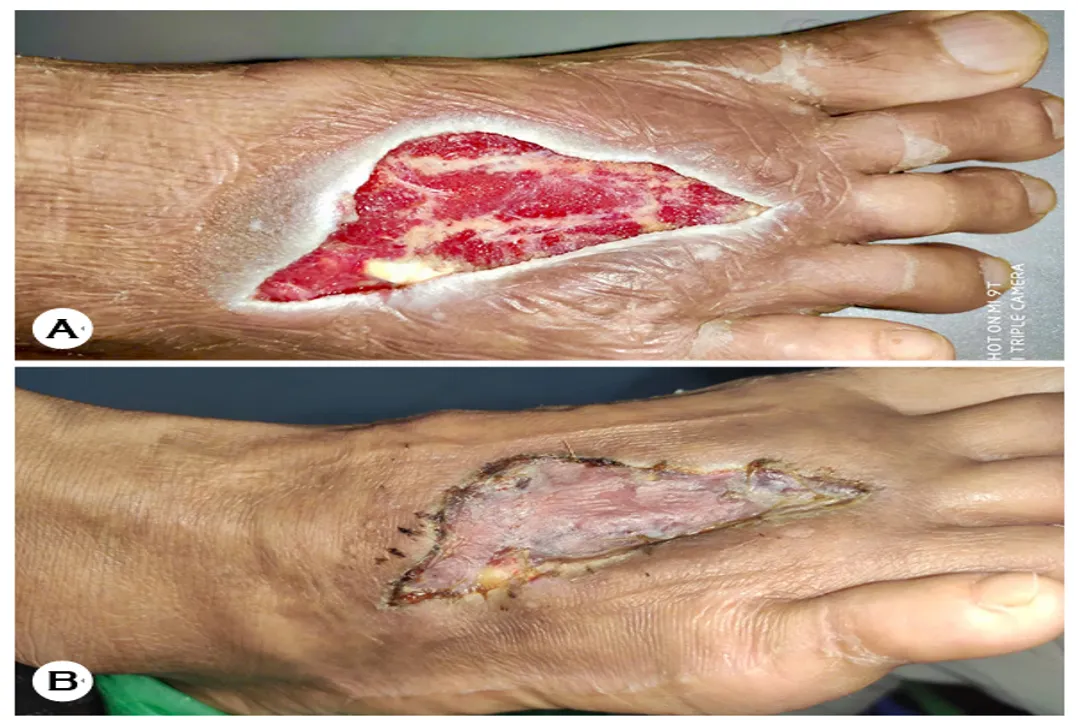
- Resistance: Historically, resistance has been noted to agents like colistin and penicillin. Importantly, some strains have shown resistance to agents like trimethoprim/sulfamethoxazole. Furthermore, a case involving a fish vendor with a wound infection demonstrated multidrug resistance to multiple classes, including ampicillin, colistin, and ciprofloxacin, which necessitated a tailored approach combining antibiotics (ceftazidime and gentamicin) with surgical debridement and wound management like Vacuum-Assisted Closure (VAC). Surgical intervention for debridement and drainage is crucial when localized abscesses or cellulitis/myonecrosis are present.
If a patient has underlying severe disease, treatment protocols must be aggressive, sometimes involving extended antibiotic courses (e.g., four weeks for peritonitis) to ensure the deep-seated infection is cleared, even if initial blood cultures become negative quickly.
# Aquatic Impact
While human health is a primary concern, E. tarda is perhaps best known as a significant pathogen in aquaculture, where the disease it causes is termed Edwardsiellosis. This bacterium impacts a wide array of aquatic species, including channel catfish, eels, salmon, tilapia, and flounder. In fish, the signs are often systemic, leading to hemorrhagic fins, abdominal swelling (ascites), loss of pigmentation, and internal abscesses in organs like the kidney and liver. In intensive farming settings, mortality rates among infected fish can reach as high as 50%. Because of the substantial economic losses, significant research is dedicated to developing vaccines for fish stocks.
It is worth noting the parallel in environmental drivers for both fish and human outbreaks. High water temperatures appear to favor E. tarda septicemia in many fish species in the U.S.. This mirrors the finding that human cases of severe bacteremia often occur during warmer summer and autumn months in subtropical and tropical regions. This suggests that when considering the risk of contracting E. tarda from the environment or diet, the combination of high ambient temperature and the consumption of raw aquatic products serves as a consistent multiplier for exposure across both human and farmed animal populations. For the general public, understanding this environmental signature points toward a simple, actionable preventive step: exercise heightened caution regarding raw seafood consumption, particularly when traveling in warmer coastal areas or if one possesses any known underlying risk factors like chronic liver conditions.
Related Questions
#Citations
Edwardsiella tarda: A Classic Presentation of a Rare Fatal ...
Edwardsiella tarda
Edwardsiella tarda - Pathogen Safety Data Sheets
1.2.4 Edwardsiella tarda Septicemia
Case Report: Disseminated Edwardsiella tarda infection in ...
Multidrug-resistant Edwardsiella tarda and Proteus vulgaris ...