tick articles
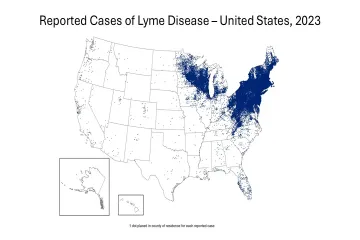
Which specific tick species is the primary vector for Lyme disease in Oregon?
What is the approximate infection rate of Ixodes pacificus in Oregon populations?
What role does the Western fence lizard play in Lyme disease dynamics?
Which tick species are commonly found in Oregon but do not transmit Lyme disease?
What is the recommended approach for treating clothing to effectively kill ticks?
Where are ticks most commonly found within the Oregon landscape?
What is the correct method for removing a tick from a pet?
Why should caution still be exercised despite low Lyme disease rates in Oregon?
How many life stages do Western black-legged ticks go through?
What does a tick check involve for outdoor enthusiasts returning from the wild?
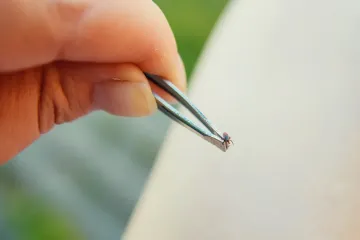
What is the typical minimum attachment duration required for an Ixodes scapularis tick to transmit the bacteria causing Lyme disease?
What is the estimated statistical risk of contracting Lyme disease from a single bite in regions where the disease is widespread?
Why are nymph-stage ticks considered the primary cause of human Lyme disease infections?
Which method is recommended for removing an attached tick from the skin?
In which part of a tick does the bacterium Borrelia burgdorferi reside before it travels to the salivary glands?
What is the clinical term for the bullseye rash often associated with early Lyme disease?
Why is placing clothing in a dryer on high heat for 10 minutes an effective strategy for tick control after outdoor activities?
Which geographic regions in the United States are identified as primary areas for the concentration of Lyme disease?
Beyond a skin rash, what are common flu-like symptoms that may indicate an early Lyme disease infection?
Which tick species serves as the primary carrier of Lyme disease in the Northeast, mid-Atlantic, and North-Central United States?
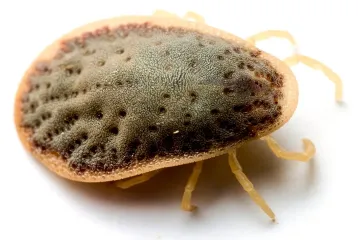
How do Argasid ticks differ physically from Ixodid ticks regarding their dorsal shield?
What is characteristic of the blood feeding habits of Argasid ticks compared to Ixodid ticks?
What is the significance of transovarial passage in soft tick-borne disease ecology?
Which genus of spirochete bacteria causes Tick-Borne Relapsing Fever (TBRF) vectored by *Ornithodoros*?
How does the transmission mechanism for TBRF often differ from typical hard tick-borne illnesses?
What type of environment is typically associated with soft tick exposure, especially for *Ornithodoros* species?
Which specific bacterium, causing Q fever, is frequently found in soft ticks inhabiting environments near domestic birds or livestock?
Regarding fatality rates, how does untreated Argasid-borne TBRF generally compare to diseases commonly associated with hard ticks?
Which *Ornithodoros* species are cited as significant vectors for TBRF in the US context?