What is the approximate infection rate of Ixodes pacificus in Oregon populations?
Answer
Less than 5 percent
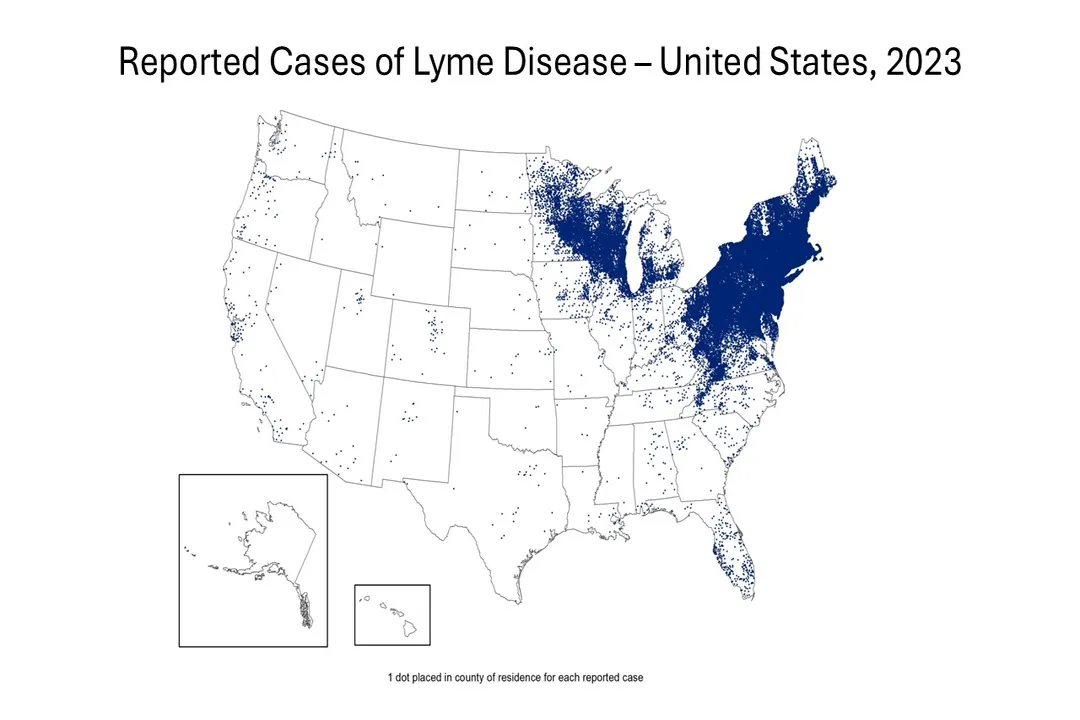
Research indicates that the prevalence of the Lyme disease bacterium within the Western black-legged tick population in Oregon is consistently low, often falling significantly below 5 percent. This stands in stark contrast to the Northeastern United States, where infection rates in ticks can frequently reach 30 percent to 50 percent or higher in localized areas. This lower statistical prevalence means the likelihood of contracting Lyme disease from a tick bite in Oregon is much lower than in other parts of the country.
Related Questions
Which specific tick species is the primary vector for Lyme disease in Oregon?What is the approximate infection rate of Ixodes pacificus in Oregon populations?What role does the Western fence lizard play in Lyme disease dynamics?Which tick species are commonly found in Oregon but do not transmit Lyme disease?What is the recommended approach for treating clothing to effectively kill ticks?Where are ticks most commonly found within the Oregon landscape?What is the correct method for removing a tick from a pet?Why should caution still be exercised despite low Lyme disease rates in Oregon?How many life stages do Western black-legged ticks go through?What does a tick check involve for outdoor enthusiasts returning from the wild?