Which pair of biochemical tests distinguishes E. tarda from Salmonella in standard media?
Answer
Lactose non-fermenter and H2S producer
The differentiation between Edwardsiella tarda and Salmonella relies on key biochemical results obtained from routine laboratory media. Specifically, E. tarda is characterized by its inability to ferment lactose, which is a crucial distinction. Furthermore, unlike Salmonella, E. tarda possesses the capability to produce hydrogen sulfide (H2S), which manifests visibly as blackening on specific culture media. An additional test confirming this separation is the positive indole reaction exhibited by E. tarda.
Related Questions
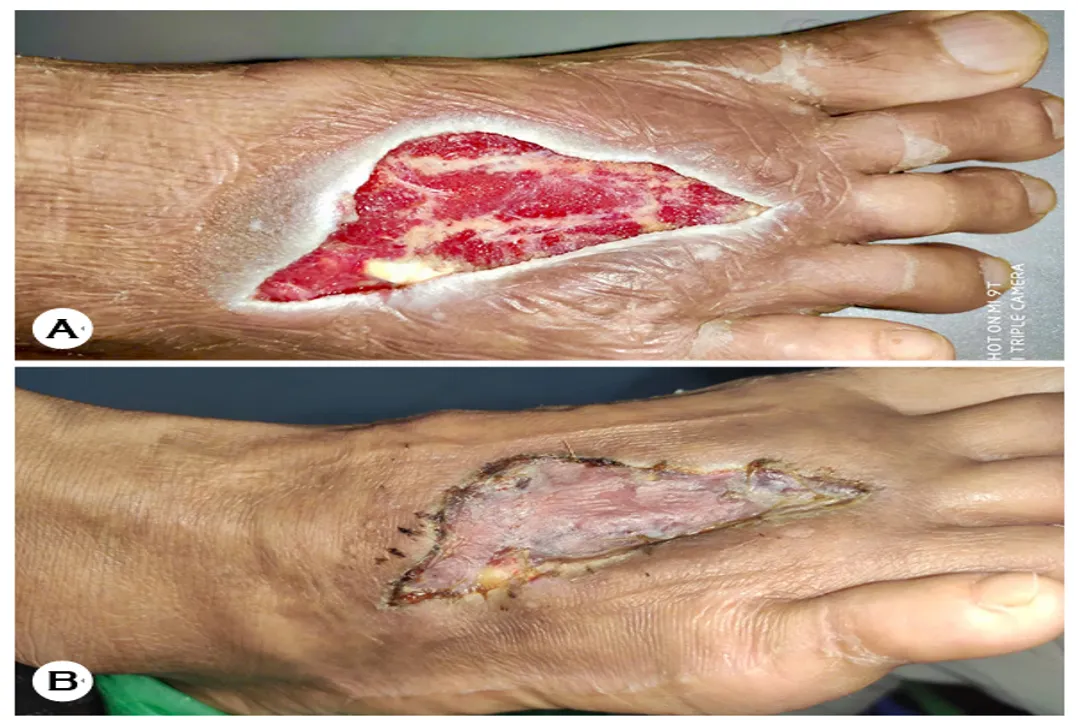
To which family does Edwardsiella tarda belong, having been historically situated within Enterobacteriaceae?Which pair of biochemical tests distinguishes E. tarda from Salmonella in standard media?Approximately what percentage of reported human E. tarda infections manifest as gastroenteritis?Which condition is a key risk factor for severe, disseminated E. tarda infection involving mortality?How does the E. tarda exotoxin, hemolysin, contribute to its virulence in hosts with pre-existing iron overload conditions?What is the specific term for the disease Edwardsiella tarda causes in aquaculture species?What crucial intervention, combining mechanical removal and wound management, was required for the fish vendor's E. tarda wound infection?What mortality rate range is associated with patients developing E. tarda septicemia (ETB)?What type of human-to-human transmission of E. tarda has explicitly not been reported?Why are antibiotics generally not required for the most common manifestation, E. tarda gastroenteritis?What environmental factor appears to favor the occurrence of E. tarda septicemia in fish and human infections?