What tell-tale signs signal a flock is likely dealing with coryza upon initial observation?
Answer
Snicking, rattling breathing, or watery discharge from the eyes and nostrils.
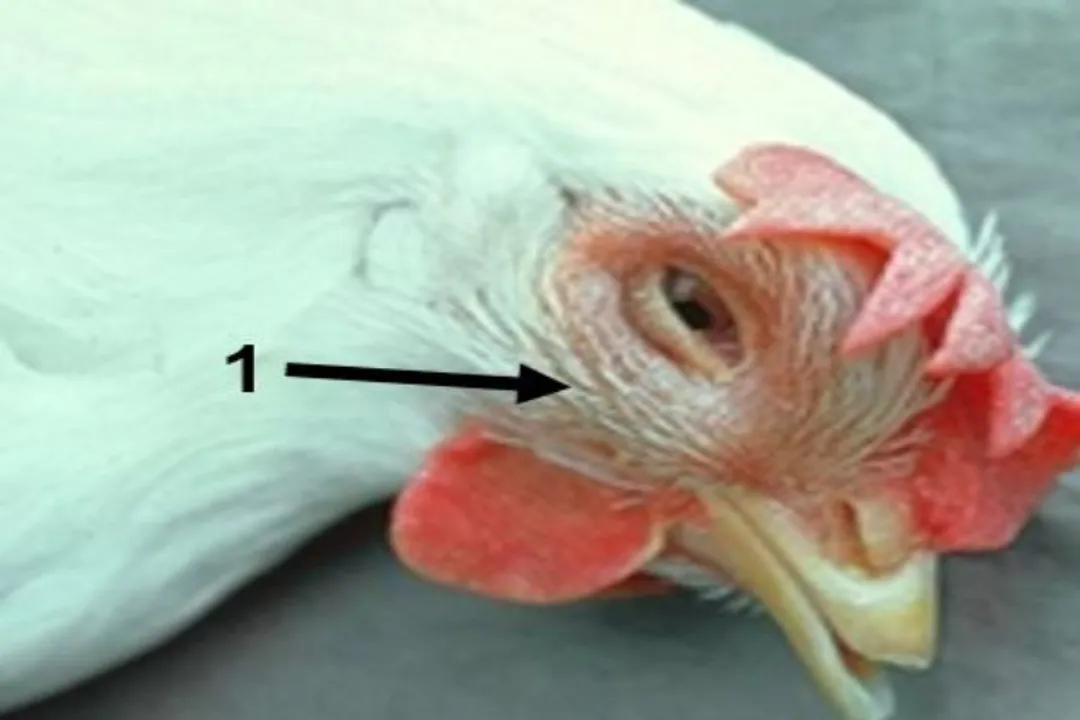
The initial clinical indication that a flock is suffering from Infectious Coryza typically involves specific upper respiratory distress signals. These familiar sounds and visible signs are what poultry keepers use to identify the onset of the ailment. Specifically, the characteristic sound of snicking or rattling breathing, often accompanied by a visible, watery discharge emanating from the bird's eyes and nostrils, points strongly toward an active upper respiratory infection like coryza. These signs reflect the inflammation and exudate buildup occurring in the upper airways due to the bacterial invasion.
Related Questions
What bacterium is the principal pathogen responsible for Infectious Coryza?What was *Avibacterium paragallinarum* previously known as in older literature?Which factor is considered a predisposing cause influencing Coryza expression severity?How do high levels of ammonia resulting from poor ventilation affect the respiratory system during Coryza risk?Which agents frequently co-infect birds alongside *A. paragallinarum* causing a more severe syndrome?What is the primary route for *A. paragallinarum* transmission between chickens in a commercial flock?What limits the effectiveness of an Infectious Coryza vaccine regarding *A. paragallinarum* serogroups?How do farm personnel mechanically contribute to the indirect spread of Coryza across a farm?What tell-tale signs signal a flock is likely dealing with coryza upon initial observation?What rigorous environmental assessment should a flock manager prioritize to minimize future IC outbreaks beyond medication?