What would cause a sudden rash?
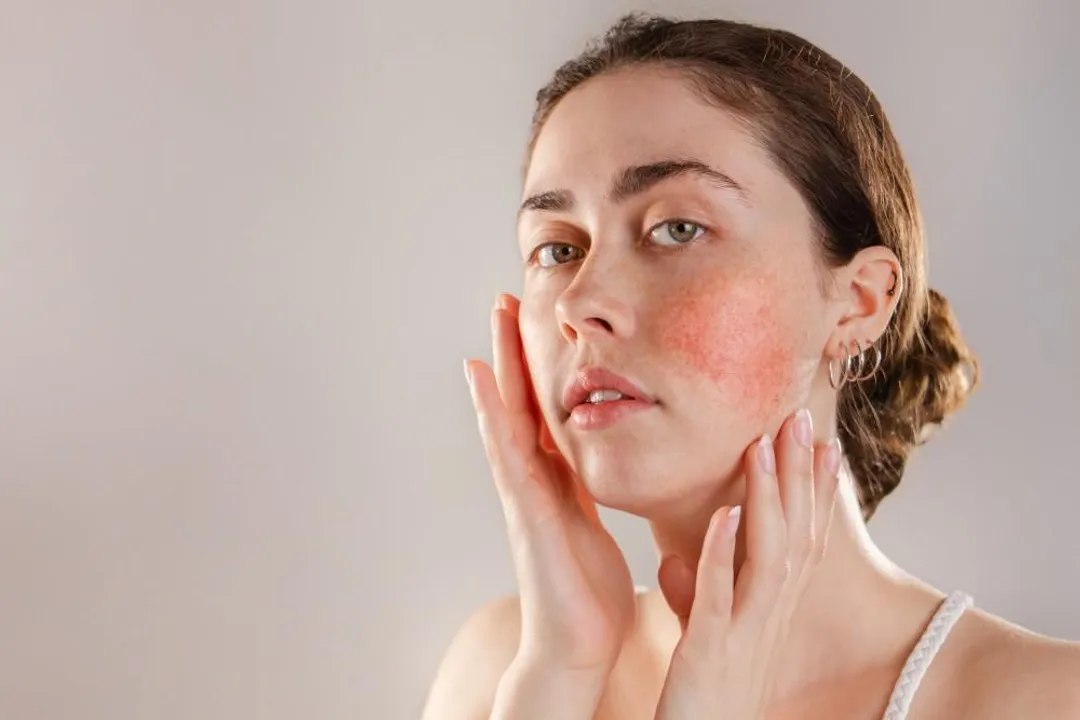
The sudden appearance of red, inflamed skin can be jarring, shifting from clear complexion to an angry blotch or bumpy texture in a matter of hours. Rashes, medically termed dermatitis, are incredibly common; nearly everyone experiences one at some point. [1][6] While many vanish without a second thought, those that erupt without warning often send us immediately searching for an explanation. Understanding what triggers this inflammatory response is the first step toward relief and prevention, as the causes range wildly from something you touched moments ago to a reaction brewing internally for days. [8]
# Red Skin
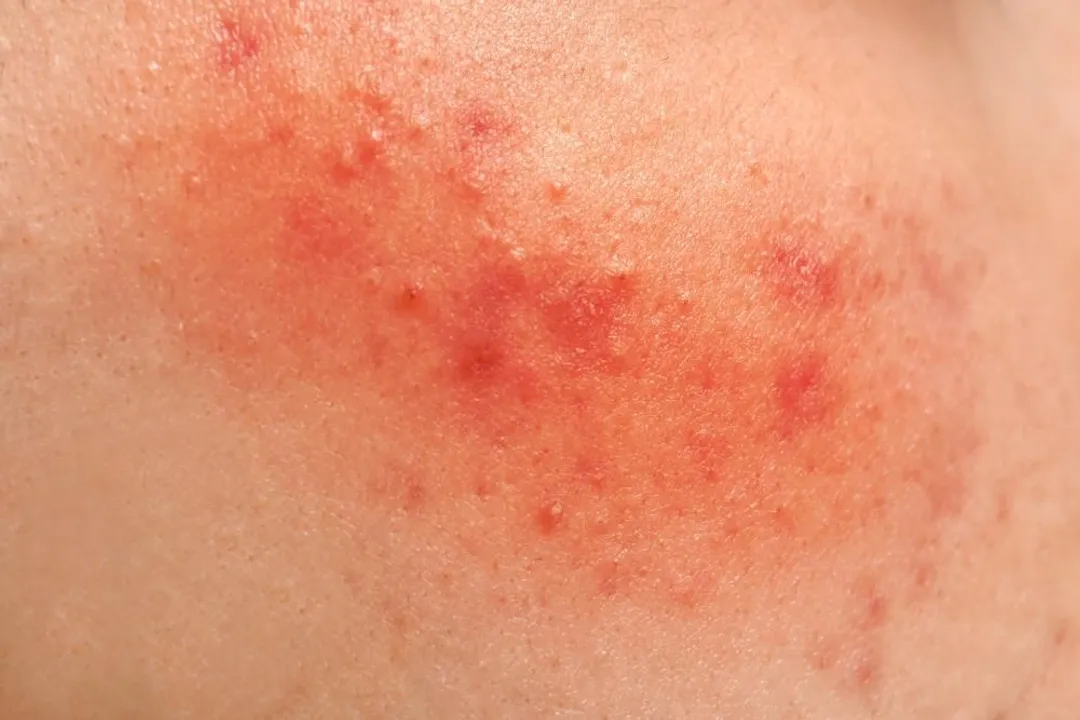
A rash fundamentally signifies that the skin, the body's largest organ, is reacting to something—it is inflamed, irritated, or infected. [1] This reaction manifests as visible changes, often including redness, bumps, scaling, itching, or swelling. [2] This reaction is the skin’s way of sounding an alarm bell. When a rash appears suddenly, it often points toward an acute external exposure or a rapid systemic event, rather than a slow-developing chronic issue, though even chronic conditions can have sudden, dramatic flare-ups. [5]
# Contact Irritants
One of the most frequent culprits for a rapid onset rash is something that has physically touched the skin. This falls under the category of contact dermatitis. [9] There are two main types of contact reactions: irritant and allergic. [9] Irritant contact dermatitis happens when a substance damages the skin directly, like a harsh chemical burning through the protective barrier. [9]
When considering a sudden rash, it is helpful to categorize the potential contactants based on the likely time delay. For instance, a strong acid or soap might cause immediate stinging and redness—a clear irritant reaction. [4] However, a true allergic reaction, like to poison ivy or certain nickel alloys, might take 12 to 48 hours to fully manifest, even though the exposure was singular and recent. [4][9] If the rash appears immediately upon exposure, think first about harsh chemicals or excessive friction. If it appears hours later, an immune system response to an allergen is more probable. [9]
Common household irritants are numerous. Cleaning supplies, soaps, detergents, and even some cosmetics are frequent offenders. [4] For example, a new laundry detergent introduced over the weekend might cause a rash on the torso or under elastic waistbands by Monday morning, often without the wearer connecting the two events immediately. [4] Similarly, residues left on clothing or bedding can cause reactions while sleeping. [4] It is worth noting that the sheer concentration of an irritant matters greatly; a mild soap used infrequently might be fine, but using it repeatedly without thorough rinsing can cause a sudden, noticeable breakdown of the skin barrier. [9]

# Immediate Allergies

The body’s immune system can sometimes overreact to otherwise harmless substances, leading to a sudden, widespread rash, often characterized by hives, medically known as urticaria. [6][8] Hives typically appear as raised, pale red welts that can blanch (turn white) when pressed, and they are notoriously itchy. [6]
This reaction is often mediated by histamine release and can be triggered by things ingested or injected. A new food item, a bee sting, or even a medication taken for the first time can set off this chain reaction. [6][8] While food allergies are perhaps the most feared cause of sudden reactions, the speed and severity can vary. Some individuals might experience mild hives after eating peanuts, while others can develop life-threatening anaphylaxis involving respiratory distress. [3]
Medications are a major category for sudden systemic rashes. [6] Many drugs, including antibiotics like penicillin, nonsteroidal anti-inflammatory drugs (NSAIDs), and others, carry a risk of inducing a rash during treatment. [6][8] The appearance can range from a mild, non-specific redness to severe, blistering eruptions that demand emergency care. [6]
One helpful exercise when a sudden rash appears following a new routine is to map the introduction of potential triggers against the onset time. For example, if you started a new prescription and began using a different face wash on the same day, the rash might be systemic (from the drug) or localized (from the wash). If the rash is widespread, systemic is more likely; if it's concentrated only on the face, the topical product is the prime suspect. This simple timeline analysis often narrows the field considerably when professional help isn't immediately available. [5]
# Internal Conditions

Beyond acute allergies and external contacts, internal processes and infections are significant drivers of sudden skin eruptions. [8]
# Infections
Infections, both viral and bacterial, frequently cause generalized rashes, especially in children, but adults are certainly susceptible. [6] Viral illnesses, such as measles, chickenpox, or even less severe common viruses, often present with a characteristic rash accompanying fever and general malaise. [8] Bacterial infections, like scarlet fever, also present with distinct skin findings. [6] If the rash is accompanied by fever, fatigue, or other systemic symptoms, an underlying infection is a very strong possibility. [3][10]
# Flare-Ups
It is important to recognize that a "sudden" rash might actually be a sudden flare of an underlying, pre-existing condition. [5] People with a history of skin conditions like atopic dermatitis (a common form of eczema) can find their skin suddenly breaking out in intensely itchy, dry, red patches due to stress, weather changes, or internal factors. [9] Eczema is often associated with defective skin barriers and an overactive immune response. [9] A sudden shift in humidity, an intense period of emotional stress, or even consuming certain inflammatory foods can push a quiescent eczema patch into an active, intensely irritating state. [5]
If you suffer from recurring rashes, tracking patterns related to stress is invaluable. Intense psychological pressure causes the release of hormones that can directly influence inflammation pathways in the skin, overriding otherwise stable conditions. [5]

# Household Culprits
Digging deeper into environmental factors reveals common household items that are often overlooked because they are used daily. [4] For example, fragrances, dyes, and preservatives found in lotions, shampoos, and body washes are notorious for causing allergic contact dermatitis over time, which can then present as a sudden flare-up. [4]
Consider these less obvious sources:
- Metals: Jewelry containing nickel (in cheap earrings, snaps on clothing, zippers) is a very common contact allergen that causes a localized rash that develops after repeated exposure. [4][9]
- Cosmetics: New makeup, especially eye shadows or foundations, can introduce sensitizers that cause reactions around the application site. [4]
- Topical Medications: Even over-the-counter hydrocortisone cream, if used too frequently or on sensitive skin, can eventually cause a rebound reaction or thinning of the skin. [5]
If a rash is recurrent, a diligent effort must be made to isolate the common denominator. A useful strategy for dealing with possible recurring environmental triggers is the elimination and reintroduction method. For instance, if you suspect your body wash, stop using it entirely for two weeks and switch to a hypoallergenic, fragrance-free alternative. If the rash clears, slowly reintroduce the old product to one small area of skin to confirm the culprit. [5] This process, while tedious, provides definitive evidence that simple external sources are involved. [4]
# When Urgency Demands Attention
While many rashes are benign, some require immediate medical evaluation due to the potential for severe underlying causes or rapid progression. [3][10] Knowing the warning signs is crucial for deciding when to move from home observation to seeking professional care. [6] A sudden rash moves from a cosmetic annoyance to a medical concern when specific features are present. [3]
You should contact a healthcare provider urgently or seek emergency care if the rash exhibits any of the following characteristics:
- Rapid Spread: If the rash is spreading very quickly across the body, it can indicate a severe systemic issue. [3][10]
- Systemic Symptoms: The presence of a high fever, chills, severe headache, or joint pain alongside the rash suggests a serious infection or drug reaction. [3][6]
- Pain and Appearance: Rashes that are painful rather than just itchy, or those that look like large blisters, target lesions (like a bullseye), or purple spots that do not fade when pressed (non-blanching purpura) need immediate assessment. [3][10]
- Blistering and Peeling: Widespread blistering or the shedding of the top layer of skin can signal severe conditions like Stevens-Johnson syndrome or Toxic Epidermal Necrolysis, which are life-threatening emergencies. [6]
- Location: Rashes affecting sensitive areas like the eyes, mouth, or genitals require prompt attention. [3]
- Breathing Difficulty: If the rash is accompanied by swelling of the face, lips, or tongue, or difficulty breathing, call emergency services immediately, as this suggests anaphylaxis. [6][10]
| Symptom Presentation | Potential Concern Level | Common Association |
|---|---|---|
| Mild itchiness, localized redness, no fever | Low | Mild contact irritation, dry skin [1][9] |
| Raised welts (hives), resolves within 24 hours | Medium | Acute food/drug sensitivity, stress flare [6] |
| Widespread, painful, blistering, with fever | High | Severe drug reaction, serious infection [3][6] |
It is also important to distinguish between allergic contact dermatitis and irritant contact dermatitis based on symptoms alone. Allergic reactions are often intensely itchy and may form small blisters or weeping areas, whereas irritant reactions might feel more like a burn or chronic dryness. [9] Dermatitis caused by heat rash (miliaria), for instance, presents as tiny red bumps where sweat ducts are blocked, which is an immediate physical response to overheating, often seen suddenly after intense exercise or a hot, humid night. [2]
When evaluating a sudden rash, remember that while many causes are minor—a new lotion, a piece of cheap costume jewelry, or a mild virus—the potential for something serious always exists. [8] Taking a moment to review recent exposures, new habits, and associated symptoms provides valuable context for yourself or any healthcare professional who will ultimately provide the diagnosis and treatment plan. [5]
Related Questions
#Citations
Skin Rash: Types, Symptoms, Causes, Diagnosis & Treatments
Skin Rashes - Causes, Types, and Treatments - UCHealth
Red and itchy? When to worry about a rash in adults - UCLA Health
Common Household Triggers That Cause Sudden Skin Rashes
Skin rash: Causes, 71 pictures of symptoms, and treatments
Common Rashes: Types, Symptoms, Treatments, & More - WebMD
5 Things That May Be Causing Your Recurring Rash
12 Common Causes of Skin Rash | The Center For Dermatology
Dermatitis - Symptoms and causes - Mayo Clinic
When to Worry About a Rash in Adults - Healthline