What are the three main types of blindness?

Navigating discussions about vision loss can often feel confusing because terms like "blindness" and "low vision" are used in several different ways—sometimes referring to the severity of sight remaining, and other times describing the underlying medical condition causing the loss. [1][5] For a general understanding, it is most helpful to categorize vision impairment based on the degree of visual function remaining, which generally boils down to three critical states: legal blindness, total blindness, and low vision, which sits just below the threshold of legal blindness. [2][5] These distinctions are vital because they influence support services, legal definitions, and rehabilitation efforts. [2]
# Legal Definition
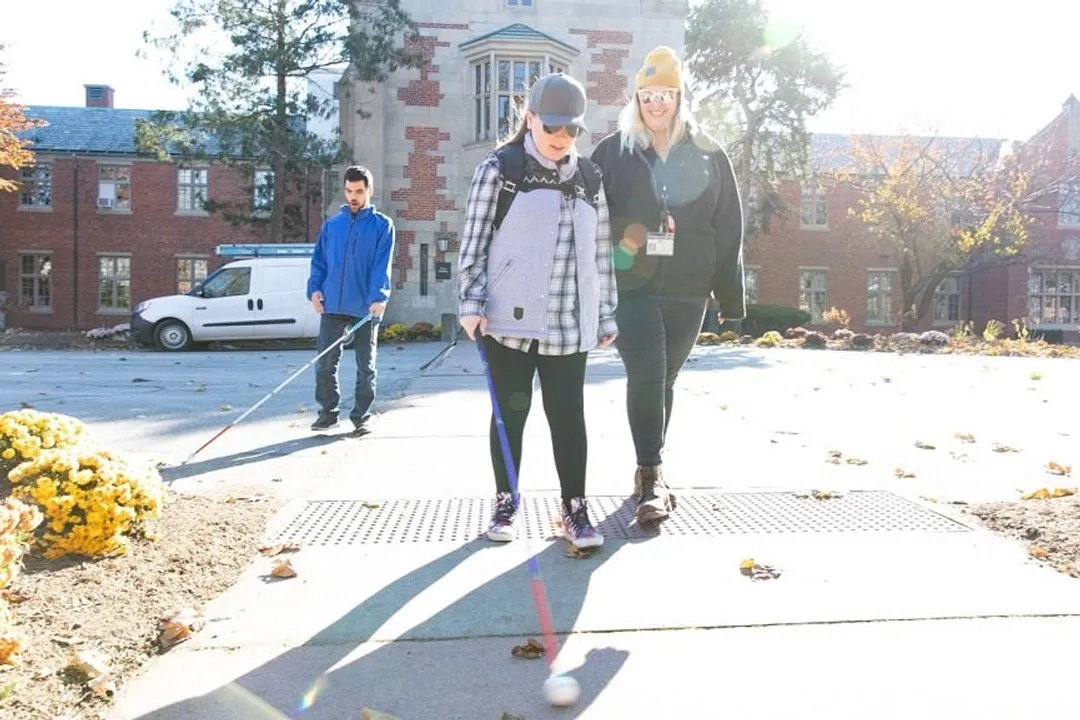
The concept of legal blindness is perhaps the most recognized term, though it is an administrative or legal standard rather than a purely medical diagnosis describing the physical state of the eye. [2][4] This definition helps governments and organizations classify individuals for services, benefits, and statistics. [2]
In the United States, a person is generally considered legally blind if their visual acuity in the better eye, even with the best possible correction (like glasses or contacts), is 20/200 or less, or if their visual field is restricted to 20 degrees or less. [2][4] To put 20/200 into perspective, a person with 20/20 vision can see clearly at 20 feet what a person with normal vision can see at 200 feet. [2] This stark difference highlights the significant visual limitation that meets this legal threshold. [2]
It is important to understand that "legal blindness" does not always equate to complete darkness; in many cases, it describes a very significant impairment where distance vision is extremely limited, even with aids. [2] Contrast this definition with that used in other nations or for specific programs, as standards can vary globally. [1] For instance, the World Health Organization (WHO) uses a slightly different measure for severe visual impairment, often citing a visual acuity less than 3/60 or a visual field of less than 10 degrees. [7] This international variation underscores why clarity on which standard is being applied is essential when discussing support systems. [7]
# Total Absence
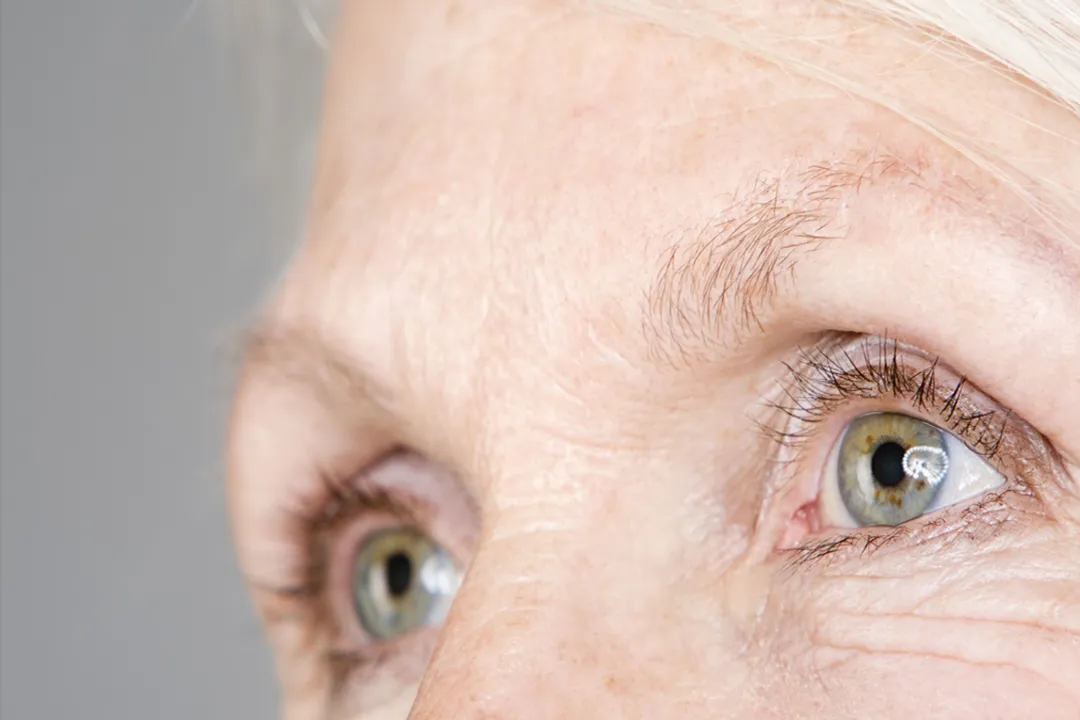
Moving to the most severe category, total blindness represents the complete absence of light perception. [2] Someone who is totally blind cannot see any light, shapes, or colors at all, even under the most ideal viewing conditions. [2] This is often the result of profound damage to the structure of the eye, the optic nerve, or the visual centers of the brain. [4]
While legally blind individuals might retain some functional vision (like being able to detect light or movement), those classified as totally blind have no useful sight remaining. [2] This diagnosis usually implies significant, irreversible damage that prevents any form of sight from being restored through conventional means like prescription lenses. [4] In clinical terms, this is sometimes referred to as having no light perception (NLP). [4]
It is worth noting that the terminology can sometimes overlap, as total blindness inherently meets the criteria for legal blindness, but the reverse is not always true. [2] The difference lies in the degree of residual function—total blindness means none, whereas legal blindness allows for a measurable, albeit severely limited, degree of sight. [2]

# Low Vision State
Although the prompt focuses on "three main types of blindness," a crucial third category in the continuum of severe vision loss is low vision. [2][5] Low vision describes severe vision loss that cannot be fully corrected with standard eyeglasses, contacts, surgery, or medication, yet it is not so severe that the person is legally blind. [2][5]
People with low vision often struggle significantly with daily tasks that require clear sight, such as reading fine print, driving, or recognizing faces from a distance. [1] They are often trying to function in the gap—having enough sight to be excluded from certain disability benefits but not enough functional sight to perform routine visual tasks comfortably or safely. [2] This space between 20/200 acuity and the legal threshold is where many people find themselves, needing vision rehabilitation services to maximize their remaining sight. [1][5] The functional impact of low vision often depends heavily on where the damage is located. For example, someone with central vision loss might still have good peripheral vision, while someone with severe peripheral loss (tunnel vision) might struggle to navigate a crowded room even if their central acuity is technically better than 20/200. [1]
The three states described above—legal blindness, total blindness, and low vision—define how much sight is lost. However, understanding why this loss occurs is equally important, as the underlying disease dictates the prognosis and treatment pathway. [4] These causes can be conceptually grouped as the third area of importance when discussing vision impairment, as they represent the primary drivers creating the conditions of legal or total blindness. [3][8]
# Major Etiologies
The leading causes of severe vision impairment and blindness around the world are generally chronic conditions affecting the structure and function of the eye. [7][8] While the specific ranking can shift based on geography and access to healthcare, several conditions consistently appear at the top of the list, contributing to the states of low vision or blindness. [7][8]
# Retinal Deterioration
A significant portion of irreversible vision loss stems from conditions that damage the retina, the light-sensitive tissue lining the back of the eye. [3]
Age-related Macular Degeneration (AMD) is a major culprit, particularly in older populations. [3][8] AMD directly attacks the macula, the small central area of the retina responsible for sharp, detailed central vision needed for reading and recognizing faces. [3] Vision loss from AMD is typically characterized by a dark or blank spot in the center of one’s visual field. [3] While it severely impacts central sight, peripheral vision often remains intact, which is a key difference from conditions like glaucoma. [8]
Diabetic Retinopathy is another significant cause, directly linked to uncontrolled blood sugar levels in people with diabetes. [3][8] High glucose levels damage the tiny blood vessels in the retina, causing them to leak fluid or bleed, which distorts vision or blocks light from reaching the photoreceptor cells. [3] Because diabetes is so widespread, diabetic retinopathy is a leading cause of blindness in working-age adults globally. [7][8] Early detection through regular retinal screening is the most critical intervention for preserving sight in individuals with diabetes. [3]
# Pressure and Nerve Damage
Conditions that primarily affect the optic nerve or the eye's internal structure are also primary drivers of vision loss.
Glaucoma is a group of diseases that damage the optic nerve, often due to abnormally high pressure inside the eye. [3][8] The optic nerve acts like the data cable connecting the eye to the brain, transmitting all visual information. [5] When this cable is damaged, information transmission is impaired, leading to a progressive loss of peripheral vision first. [3] This loss is often gradual and painless, meaning individuals may not notice it until significant damage has occurred, which is why monitoring the visual field is crucial for early diagnosis. [3] Unlike the damage caused by cataracts, glaucoma-related damage to the optic nerve is typically irreversible. [5]
# Lens Opacities
While often the most treatable, cataracts represent another major cause of vision impairment worldwide. [3][8] A cataract is the clouding of the eye's natural lens, which sits behind the iris and pupil. [3] In a healthy eye, this lens focuses light onto the retina; when it becomes cloudy, vision becomes progressively blurry, colors appear faded, and nighttime driving can become hazardous due to glare. [3] The good news is that cataracts are usually treatable through surgery where the cloudy lens is replaced with a clear artificial lens. [3][8] Because surgical correction is so effective, cataracts are often cited as a major cause of preventable blindness, though access to surgery remains a barrier in many regions. [7]
# Acuity Versus Field Loss
When considering these conditions, it becomes clear that vision loss is not a single phenomenon; it involves impairment to either visual acuity (sharpness of vision) or visual field (the area you can see without moving your eyes). [1] Many common blinding diseases affect one more than the other, leading to distinctly different functional challenges.
For instance, uncorrected refractive errors—like severe nearsightedness or farsightedness—are technically a major contributor to vision impairment globally, often ranking high when considering all levels of vision loss. [2][7] While usually correctable with lenses, if left unaddressed, they can lead to functional impairment mirroring low vision. [2][7] The ease of correction (glasses) versus the difficulty of correction (retinal disease) highlights a practical division in the field of eye care.
If we map the major diseases to the type of loss they cause, we see this difference clearly:
| Condition | Primary Type of Impairment | Reversibility |
|---|---|---|
| Cataract | Acuity (Overall blur/opacity) | High (Surgical) [3][8] |
| Glaucoma | Visual Field (Peripheral loss) | Low (Damage is permanent) [5] |
| AMD | Visual Acuity (Central spot loss) | Low (Management only) [3] |
| Diabetic Retinopathy | Both Acuity and Field | Variable (Dependent on stage) [3] |
A critical point for anyone experiencing subtle vision changes is recognizing that functional impact often outweighs the raw numbers on an eye chart. For example, a 70-year-old losing their central vision due to AMD might feel more disabled by their inability to read a prescription bottle than a 20-year-old with slightly worse uncorrected acuity who still retains excellent central focus. This lived experience is what often drives the transition from the "low vision" category into the definition of "legally blind". [1][2]
# Global Impact and Prevention
Globally, the statistics paint a picture of significant public health challenge. The World Health Organization (WHO) estimates that hundreds of millions of people live with visual impairment, with a substantial portion of these cases being avoidable or treatable. [7] In fact, nearly half of all vision impairment worldwide is considered correctable or preventable. [7] This statistic emphasizes that the third way to think about blindness is not just medical, but societal and economic, focusing on access to care.
The disparity in outcomes between high-income and low-income countries is profound, particularly concerning conditions like cataracts. [7] Where timely cataract surgery is readily available, it rapidly removes a leading cause of blindness from the statistics. [7] Where it is not, individuals can live for years or decades with significant sight loss, increasing dependency and lowering quality of life. [7]
For general readers concerned about their own vision or that of a loved one, the actionable takeaway lies in proactive screening. Since the three most common irreversible causes—Glaucoma, AMD, and Diabetic Retinopathy—often progress silently, periodic, comprehensive dilated eye exams are the single best defense. [3][5] You cannot manage what you do not know is there, and unlike vision loss from trauma, these slow-moving diseases often offer a window for intervention if caught early enough to stop the progression toward legal or total blindness. [3] Regular check-ups are an investment in maintaining functional independence far more than they are a mere reaction to noticeable symptoms. [5]
Related Questions
#Citations
What Are The Three Types of Vision Loss | MedEye Associates | Miami
Types of blindness: Partial, total, congenital, and more
Types of Blindness, Causes, and Their Treatment - Healthline
Blindness: Types, Causes, Diagnosis & Symptoms - MedicineNet
Blindness - StatPearls - NCBI Bookshelf - NIH
About Common Eye Disorders and Diseases - CDC
Blindness and vision impairment - World Health Organization (WHO)
Four prevalent, different types of blindness