What is the disease caused by Leptospira?
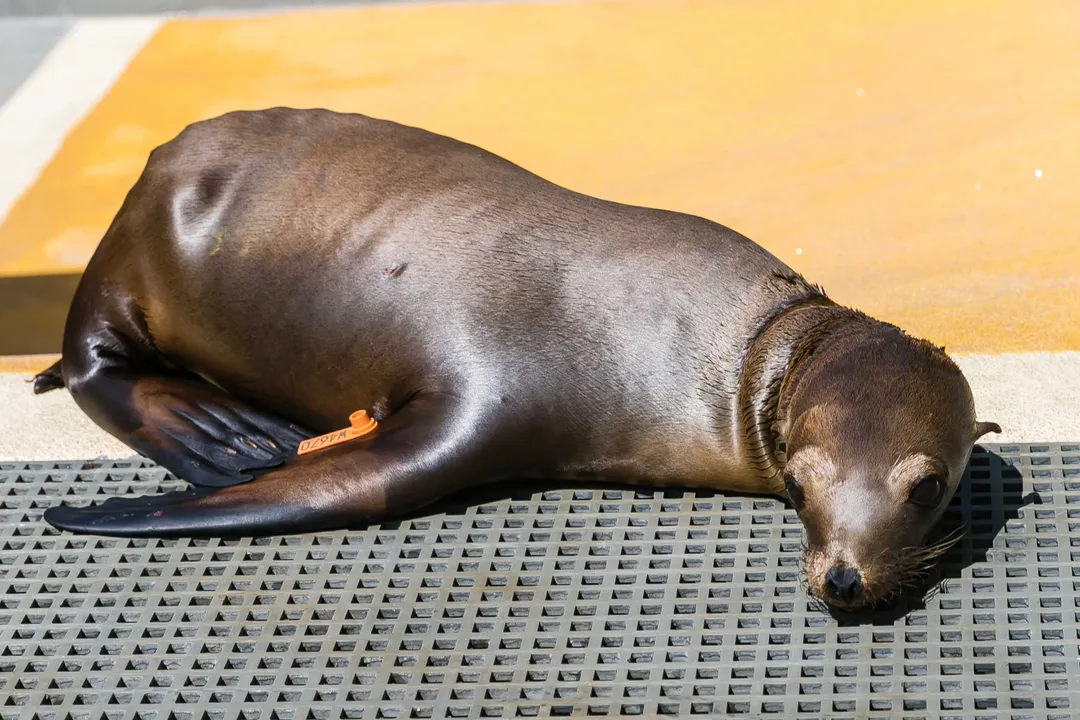
The illness known as leptospirosis stems from infection by the Leptospira genus of bacteria, a zoonotic disease that presents a significant global public health challenge. These spiral-shaped bacteria are shed primarily through the urine of infected animals, which can then contaminate soil and freshwater sources. Because the initial symptoms are often vague, resembling common ailments like the flu, recognizing this specific bacterial infection can be difficult unless environmental exposure or a history of animal contact is known. The severity of leptospirosis runs the gamut, from completely asymptomatic infections to life-threatening conditions involving major organ damage.
# The Bacteria

Leptospira are classified as pathogenic spirochetes, meaning they belong to a specific group of spiral-shaped bacteria capable of causing disease. While there are numerous species within the genus, certain strains, such as Leptospira interrogans, are well-known for causing serious human disease. These organisms thrive in environments where water and soil are moist, making tropical and subtropical regions particularly conducive to their survival.
The reservoir for these bacteria is broad, encompassing a wide variety of wild and domestic animals. Rodents, such as rats, are frequently cited as major carriers, but cattle, dogs, wildlife, and many other mammals can also carry and excrete the bacteria without necessarily showing signs of illness themselves. This ability of animals to serve as carriers without being obviously sick creates an invisible pathway for the bacteria to enter human environments.
# Infection Pathways

Transmission to humans is rarely direct from another person; it overwhelmingly occurs via contact with the environment or infected animals. The bacteria must find a way into the body, typically through mucous membranes (eyes, nose, mouth) or, perhaps most commonly, through breaks or abrasions in the skin. They can also enter through inhalation of aerosolized contaminants.
The connection between human activity and exposure risk is strong. Areas experiencing heavy rainfall or flooding often see an increase in cases because the deluge washes contaminants from soil and sewage into standing water, creating widespread risk. This environmental linkage means that activities involving exposure to natural fresh water, soil, or animal excretions carry elevated risk.
While this disease is a major concern globally, especially in areas with poor sanitation, the specific exposure risk can look different depending on the local context. For example, in highly developed areas, the primary concern might be occupational exposure—veterinarians, abattoir workers, or sewer maintenance crews handling contaminated tissues or fluids. Conversely, in rural or flood-prone tropical settings, recreational exposure—such as wading or swimming in contaminated streams after a storm—may account for a higher proportion of community infections. It is important to recognize that the vehicle for the bacteria is almost always contaminated water or soil, rather than a bite or scratch, though direct contact with infected animal tissues definitely poses a risk.
# Clinical Forms
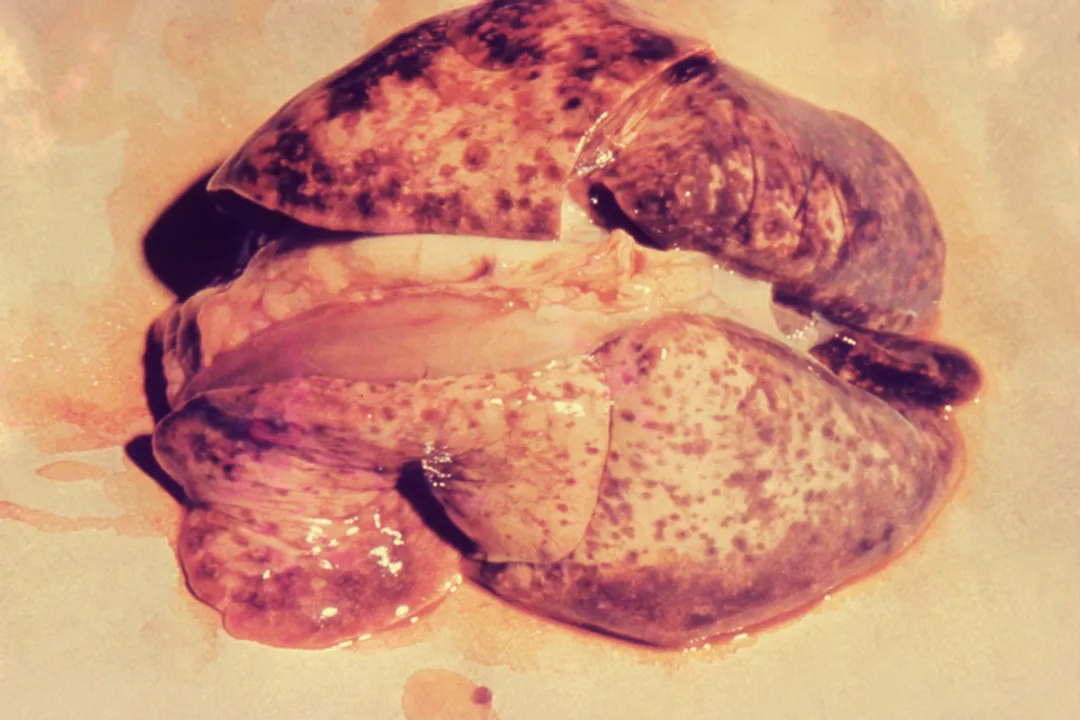
Leptospirosis is classically described as a biphasic illness, meaning the symptoms appear in two distinct phases, although not every patient will strictly follow this pattern.
The initial (anictric) phase is non-specific and usually lasts about three to seven days. During this time, the patient generally feels unwell, presenting with sudden onset of fever, headache, muscle aches (myalgia), chills, and sometimes conjunctival suffusion (redness of the eyes). Because these signs mimic many common viral infections, accurate diagnosis at this stage is challenging without supporting epidemiological data.
Following this initial phase, many people recover, and the infection resolves without further complication. However, in a significant subset of cases, the illness progresses into the second, more severe phase.
# Severe Outcomes
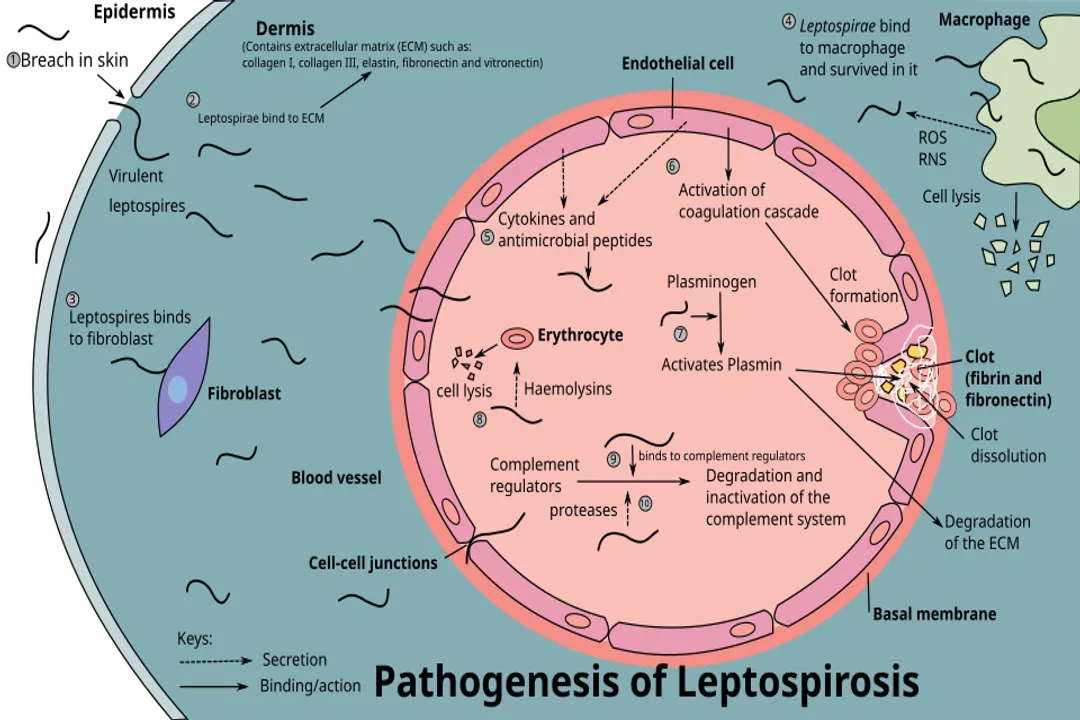
When the infection becomes more serious, the bacteria have typically spread throughout the bloodstream and begun to affect vital organs. This severe manifestation is sometimes historically referred to as Weil's disease.
Organ damage primarily targets the liver and the kidneys. Liver involvement often leads to jaundice, which is the yellowing of the skin and the whites of the eyes, a hallmark sign of severe leptospirosis. Kidney damage can lead to acute renal failure, severely impairing the body's ability to filter waste.
Beyond the liver and kidneys, severe leptospirosis can manifest in other life-threatening ways. Meningitis (inflammation of the membranes surrounding the brain and spinal cord) can occur, as can pulmonary involvement, sometimes resulting in severe respiratory distress or pulmonary hemorrhage. Mortality rates vary depending on the speed of diagnosis, the severity of organ involvement, and the overall health of the patient, but severe cases carry a high risk.

# Detection Methods
Accurately diagnosing leptospirosis relies on a combination of clinical suspicion based on symptoms and risk factors, along with laboratory confirmation. However, finding the bacteria early can be difficult because they are often present in low numbers in the blood during the initial, most infectious phase.
Laboratory testing frequently involves serological methods, which look for the body's antibody response to the bacteria, or attempts to culture the organism from patient samples. Blood or urine samples are generally used for these tests.
# Medical Response
Once leptospirosis is suspected or confirmed, treatment centers on quickly eliminating the bacteria from the body using antimicrobial medication. Antibiotics, such as penicillin or doxycycline, are the standard of care for treating the infection. The earlier these medications are administered, the more likely they are to prevent progression to the severe, multi-organ failure stage.
For patients presenting with severe symptoms like jaundice or kidney failure, supportive care becomes essential alongside antibiotic therapy. This involves managing fluid balance, supporting kidney function, and addressing any bleeding issues that may have developed.
# Risk Reduction
Preventing leptospirosis involves a multi-faceted approach targeting both animal carriers and human exposure. For people who work closely with animals, such as livestock farmers or veterinary staff, diligent use of appropriate personal protective equipment (PPE) when handling potentially infected animals or their tissues is non-negotiable. If you are involved in tasks where skin contact with soil or fresh water that may be contaminated is unavoidable—such as cleaning up after floods or working on drainage systems—ensuring that all cuts, scrapes, or open wounds are completely covered with waterproof dressings before starting work is a critical first step. It’s wise for these high-risk individuals to conduct a quick self-assessment before entering the hazard zone: Are my boots intact? Are my gloves thick enough? Are there any fresh insect bites that could serve as entry points? Addressing these physical barriers thoroughly can make the difference between exposure and safety.
In community settings, controlling the rodent population and ensuring proper disposal of animal waste are fundamental public health measures. Furthermore, discouraging recreational activities like swimming or wading in natural bodies of fresh water, especially after heavy rains or in areas known to be frequented by wildlife, drastically lowers community risk. Vaccination is also available, but it is generally reserved for high-risk domestic animals, like dogs, rather than being a standard preventative measure for the general human population.
Related Questions
#Citations
About Leptospirosis - CDC
Leptospirosis - StatPearls - NCBI Bookshelf - NIH
Leptospirosis | Cornell Wildlife Health Lab
Leptospirosis - Wikipedia
Leptospirosis: Kidney Damage in California Sea Lions
Leptospirosis | Disease Outbreak Control Division
Leptospirosis | Better Health Channel
Leptospirosis - PAHO/WHO | Pan American Health Organization
Leptospirosis | Nature Reviews Disease Primers