What are the main causes of coryza?
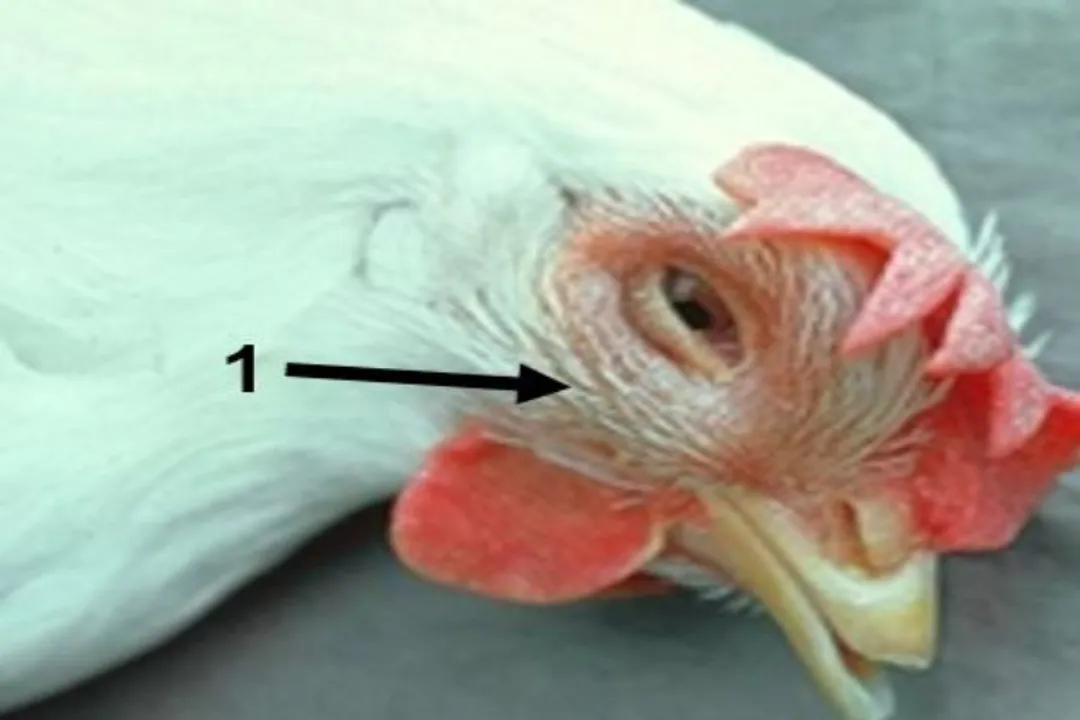
The familiar sound of snicking, rattling breathing, or that tell-tale watery discharge from a chicken's eyes and nostrils signals that a flock is dealing with what poultry keepers commonly call coryza. While often used generally, this term usually refers to Infectious Coryza (IC), a highly contagious upper respiratory disease in chickens that can severely impact welfare and production. [2][5][9] Pinpointing the source of this ailment is key to managing its spread and preventing future episodes, and the answer primarily rests with a specific bacterium, though environmental factors play a critical enabling role. [4][6]
# Main Agent
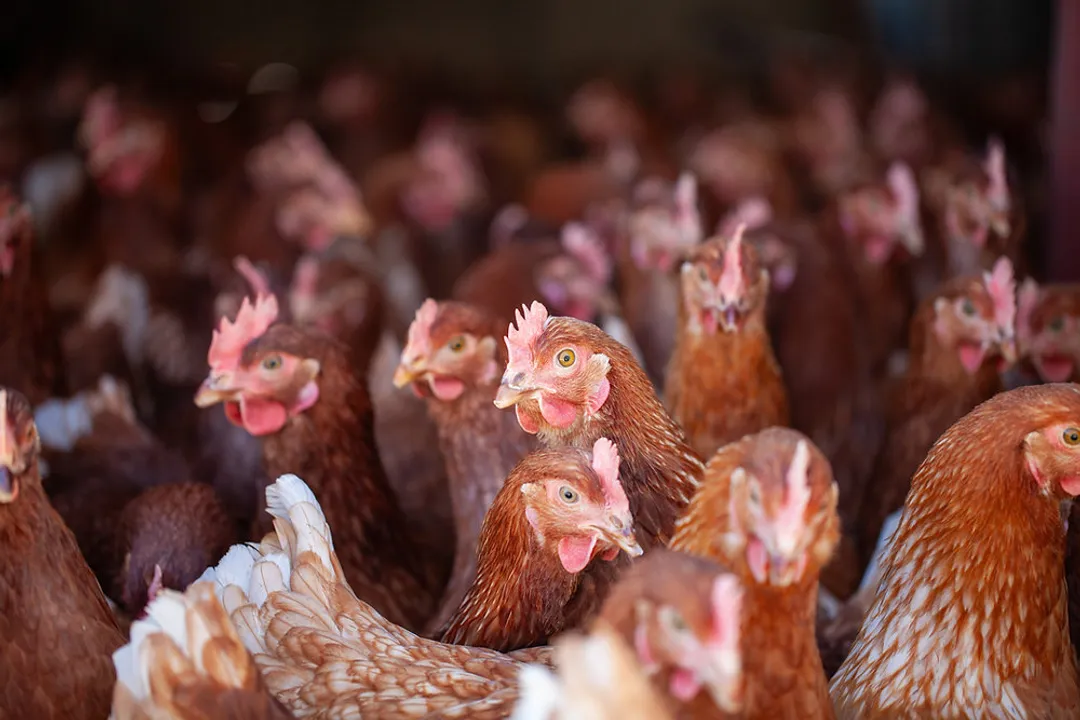
The fundamental biological cause of Infectious Coryza is the bacterium Avibacterium paragallinarum. [1][3][5][7] This agent is recognized as the principal pathogen responsible for the disease complex. [7] When a bird contracts IC, it is typically because this bacterium has invaded the upper respiratory tract tissues. [3] While the symptoms might seem straightforward—nasal discharge, swelling around the eyes, and a general drop in activity—the infection establishes itself because this organism is highly adapted to thriving in the avian respiratory system. [5]
It is worth noting that this bacterium has undergone taxonomic changes; it was previously known as Haemophilus paragallinarum, so older literature might reference the former name. [3][7] Understanding the current classification helps in sourcing the most accurate diagnostic or treatment information.
# Co-Infections Matter
While A. paragallinarum is the primary trigger, the clinical picture of Coryza is frequently muddied by the presence of other infectious agents. [1] This complicates diagnosis and treatment because what starts as a simple bacterial infection can quickly devolve into a more severe respiratory syndrome due to synergistic effects. [5]
Several other pathogens are frequently isolated alongside or instead of the main causative agent, often causing similar, non-specific signs of respiratory distress. [1] These concurrent players include:
- Mycoplasma gallisepticum (MG). [1][5][7]
- Infectious Bronchitis Virus (IBV). [1][5][7]
- Infectious Laryngotracheitis Virus (ILT). [1]
- Newcastle Disease Virus (NDV). [1]
The interaction between A. paragallinarum and these other agents often leads to more severe symptoms, such as marked edema or the development of secondary bacterial pneumonia caused by opportunistic organisms like E. coli. [1] In some outbreaks, the presence of M. gallisepticum or IBV can dramatically lower the bird’s resistance, allowing the A. paragallinarum to establish a dominant infection, or vice versa. [7] For the producer, this means that simply treating for the initial bacterial cause might fail if one of these viral or mycoplasmal partners is also present and active within the flock environment. [5]

# Environmental Triggers
The presence of the bacteria is necessary, but not sufficient, to cause a full-blown, noticeable outbreak across a flock. The expression and severity of Coryza are heavily influenced by management practices and environmental stressors. [4][6] These factors do not cause the infection itself, but they create the ideal conditions—the predisposing causes—for the bacteria to proliferate and spread rapidly. [2]
A common thread among these triggers is stress. When poultry experience physical duress, their natural immune defenses in the respiratory tract become compromised, making them significantly more vulnerable to colonization by A. paragallinarum. [6]
Key environmental stressors that precipitate outbreaks include:
- Overcrowding: High bird density restricts airflow, increases humidity, and brings birds into closer contact, dramatically increasing the rate of airborne transmission of the bacteria. [2][6]
- Ventilation Issues: Poor air quality, characterized by high levels of ammonia or extreme fluctuations in temperature, irritates the respiratory mucous membranes. This irritation creates entry points for pathogens and reduces the bird's ability to clear inhaled debris and microbes. [4]
- Management Changes: Any sudden alteration in routine, such as moving birds to a new house or integrating new stock, places birds under stress, lowering their immediate resistance to existing pathogens in the environment. [4]
- Inadequate Nutrition: Nutritional deficiencies, particularly in vitamins A and D, can impair the integrity of the mucosal surfaces lining the respiratory tract, effectively weakening the first line of defense against invaders. [6]
Considering how these environmental factors interact reveals a key pattern: a sudden drop in environmental quality often precedes the clinical manifestation of IC, even if the bacteria were present at a low, asymptomatic level beforehand. [4]
# Spread Mechanism
Understanding the transmission dynamics is critical for controlling the causes. Infectious Coryza is extremely contagious, often spreading rapidly through a commercial flock. [2][5][9] The primary route for the causative bacteria to move between birds is direct contact. [5] This involves birds inhaling aerosols or droplets coughed or sneezed by an infected individual. [2][6]
However, indirect spread is also a major contributor, often facilitating introduction into a clean flock or spreading across different houses on a farm:
- Fomites: Contaminated equipment, such as feeders, waterers, or transport crates, can harbor viable A. paragallinarum. [6]
- Personnel: Farm workers moving between infected and non-infected areas without proper biosecurity protocols can mechanically carry the bacteria on their boots, clothing, or hands. [5][9]
- Water and Feed: Contamination of common resources like feed troughs or water lines allows for simultaneous exposure across multiple birds. [2]
It is important to recognize that the incubation period is relatively short, often only one to three days, which explains the rapid onset of clinical signs once the disease is introduced into a susceptible population. [5]

# Serotype Specificity
A crucial detail when discussing the cause of Coryza, particularly for vaccination planning, involves the bacterial serotypes of A. paragallinarum. [3][7] The bacterium is not monolithic; it exists in several distinct serogroups, typically classified as serogroups 1, 2, and 3. [1][5][7]
The primary concern here is immunological specificity. Vaccines are formulated to protect against the serogroups they contain, but there is generally poor or no cross-protection between different serogroups. [3][7] This means that a vaccine designed for serogroup 1 might offer little defense if the outbreak is caused by a serogroup 2 strain circulating in the region. [1] Different regions globally tend to see different dominant serogroups, which necessitates local surveillance or laboratory testing to determine which specific vaccine formulation will be most effective for a given production site. [3] Failure to match the vaccine to the prevalent circulating strain is a common reason why vaccination programs may appear ineffective against Coryza.
# Prevention Strategy
Since the causes involve a specific pathogen existing in a dynamic relationship with environmental stressors, management strategies must address both sides of the equation simultaneously. [6] Relying solely on medication to suppress the bacteria while ignoring the stressors that allow it to flourish is a short-term fix that sets the stage for recurrence.
A practical starting point for any flock manager looking to minimize the cause of future outbreaks involves a rigorous environmental baseline assessment. Instead of waiting for symptoms, calculate the current stocking density (birds per square foot) and compare it against recommended guidelines for the specific age and breed of your flock. [2] Simultaneously, verify that ventilation systems are operating at capacity, especially during periods of fluctuating outside temperatures where producers often reduce air exchange to conserve heat—a practice that ironically concentrates respiratory irritants. [4] If you note that previous outbreaks followed a move or a feed change, flag those specific events as high-risk markers that require heightened biosecurity and immune support in the weeks leading up to them.
Furthermore, when managing a flock where Coryza has been endemic, implementing strict, routine cleaning protocols for all shared equipment—not just during downtime but between groups of birds—is essential to break the cycle of indirect transmission. [5][6] This requires dedicating specific tools or thoroughly disinfecting shared items like catching crates or transport modules before they move to a seemingly healthy area.
Ultimately, controlling the causes of Infectious Coryza requires understanding that it is rarely one thing. It is the convergence of a highly adapted bacterial agent, A. paragallinarum, encountering a stressed, overcrowded host population where local environmental management has failed to maintain robust respiratory health. [1][6]
Related Questions
#Citations
Infectious Coryza - Poultry - Merck Veterinary Manual
Infectious Coryza in Chickens | Freedom Ranger Hatcheries Blog
Infectious Coryza: Overview of the Disease and New Diagnostic ...
Infectious Coryza in Chickens: Symptoms, Treatment, and More
Infectious coryza in chickens
[PDF] Infectious Coryza - Hy-Line
Poultry Diseases: Infectious Coryza
[PDF] Infectious Coryza (IC): Frequently Asked Questions (FAQs)
Infectious Coryza in Chickens: What Poultry Producers Need to Know