What are the main benefits of cordyceps?

The fungus known as Cordyceps has moved from the footnotes of traditional Chinese medicine texts into the modern wellness spotlight, often generating buzz for its complex life cycle—a worm in winter, a grass in summer—or its fictionalized role in pop culture. [8][2] Beyond the hype, this genus of parasitic fungi, which infects insect larvae, has been sought after for centuries for its potential to nourish and strengthen the body. [8][6] While there are over 750 identified species, most commercial interest and scientific study focus on two primary types: Cordyceps sinensis (now often classified as Ophiocordyceps sinensis) and Cordyceps militaris. [2][5] Understanding the primary purported benefits of these fungi requires navigating a landscape where centuries of anecdotal use meet modern, often preliminary, scientific inquiry.
# Species Distinction
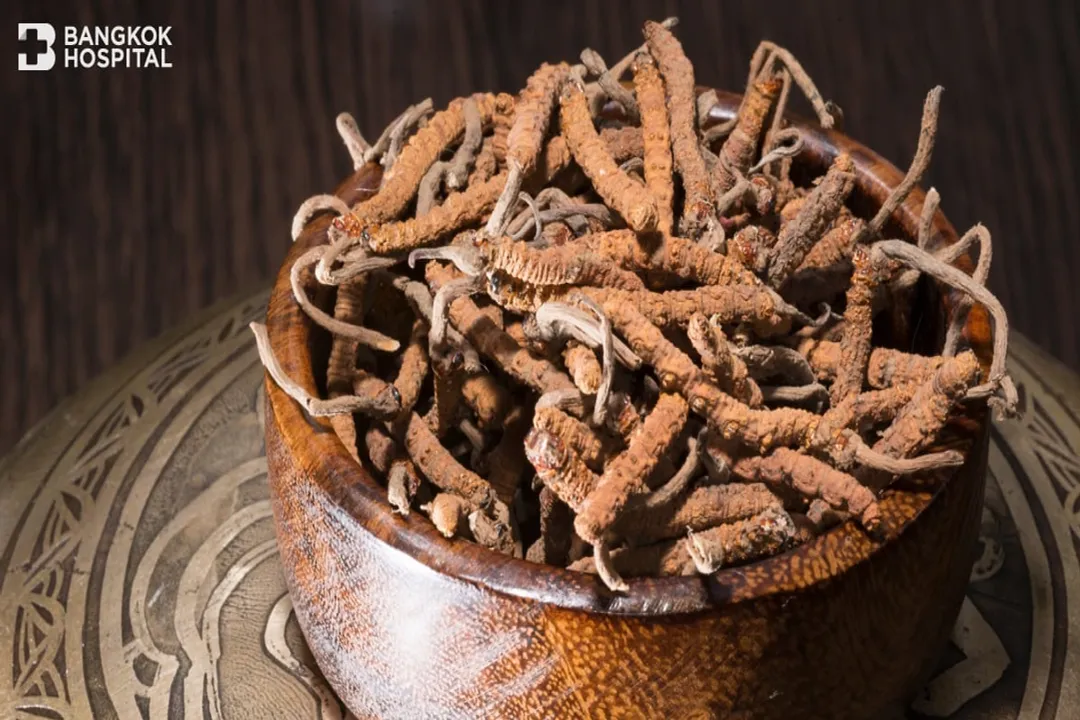
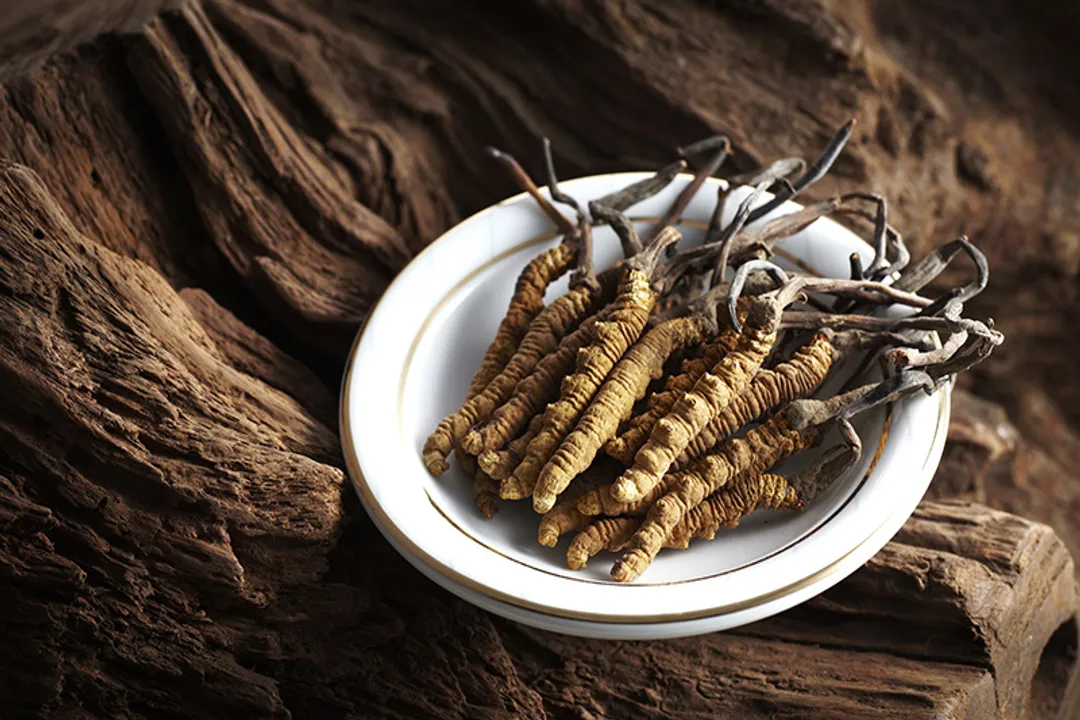
A critical point when discussing Cordyceps benefits is recognizing the difference between the famed wild variety and its cultivated counterparts. Cordyceps sinensis (C. sinensis), known in Chinese as Dong Chong Xia Cao, is historically the most prized specimen. [3] It is renowned for its rarity, as it grows specifically on the larvae of ghost moths at very high altitudes, leading to an over-collection crisis that has drastically reduced its wild yield. [2][3] Consequently, raw, wild C. sinensis can command astronomical prices, sometimes reaching tens of thousands of dollars per kilogram. [2][8]
In response to this scarcity, other species and cultivated forms have become prevalent in the supplement market. [3] Cordyceps militaris (C. militaris) is the most significant alternative, as it can be grown more easily in a lab, often using rice as a substrate, which makes it far more accessible and affordable. [2][8] Research suggests that C. militaris shares a similar bioactive composition with C. sinensis, making it a viable substitute. [2] However, this substitution leads to an important consideration for consumers: the precise species matters, as different compounds contribute to different effects. [3] For instance, C. militaris is often noted as containing higher amounts of the bioactive compound cordycepin than C. sinensis. [2] When purchasing supplements, looking for labels that specifically identify C. sinensis or C. militaris is more helpful than a generic "Cordyceps" listing, as regulatory oversight on supplements is not as stringent as it is for pharmaceuticals. [2]
# Energy Boost
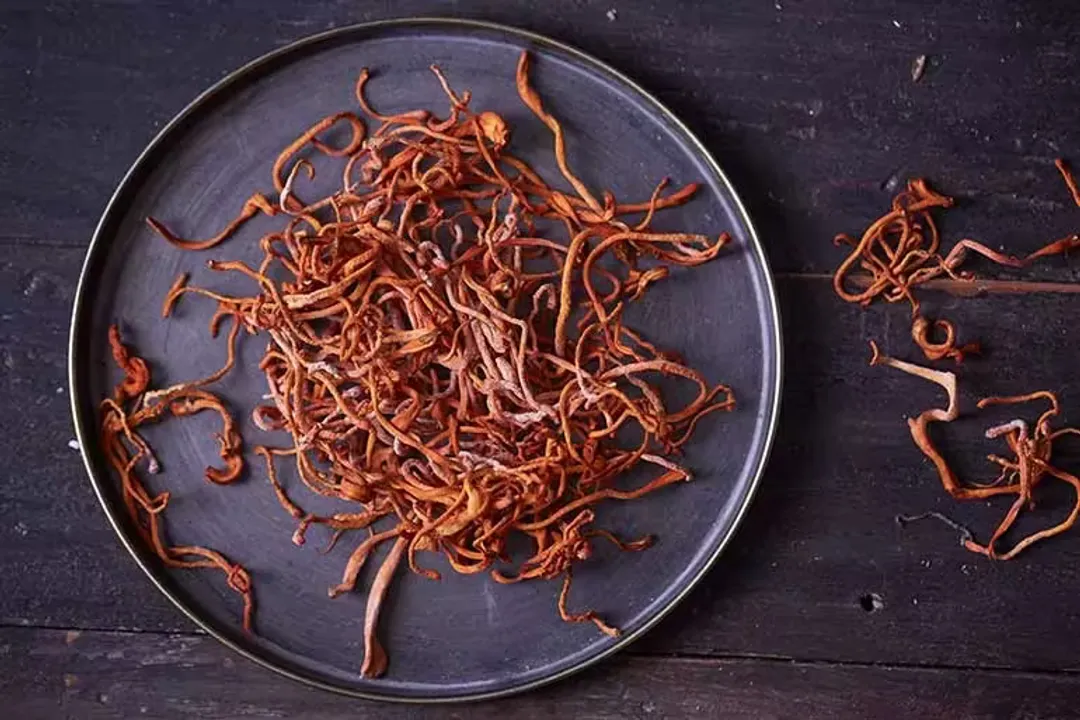
One of the most enduring traditional uses for Cordyceps, particularly C. sinensis, has been as a tonic for vitality, strength, and stamina, often deployed to hasten recovery from exhaustion or illness. [8][9][3] This traditional use aligns with modern research suggesting that Cordyceps may enhance exercise performance by potentially increasing the body’s production of adenosine triphosphate (ATP), the molecule that fuels muscle activity. [4][7][8]
In laboratory and some small human settings, this mechanism has shown promise. One small study involving young adults showed that taking Cordyceps before a high-intensity interval exercise session led to less muscle damage and faster cell repair, suggesting quicker recovery. [7] Another animal study indicated that C. militaris might increase ATP production, which could translate to greater energy availability for muscles. [4] Furthermore, C. sinensis extracts have been shown to improve hepatic (liver) energy metabolism and increase the ATP-to-inorganic phosphate ratio in mice. [3] For individuals living at higher altitudes, the fungi’s ability to induce a more efficient utilization and consumption of oxygen, leading to a greater survival rate under hypoxic conditions in animal models, is another mechanism supporting its reputation as an endurance aid. [3]
It is important to note the conflicting data in human trials concerning peak performance. While some findings point toward improved aerobic capacity, other older studies on healthy men taking Cordyceps-containing supplements reported no measurable effects on cycling performance or muscle oxygen saturation. [4][3] This variation suggests that the precise species, the extraction method, or the dosage schedule—perhaps requiring a sustained loading phase—might be key factors in whether an individual notices an ergonomic benefit. [3]
# Anti-Inflammatory Effects
Chronic, low-grade inflammation is implicated in numerous long-term health issues, and Cordyceps is frequently cited for its potential to temper this response. [4][5] The fungus contains bioactive compounds, including cordycepin and cordyceps polysaccharide, which lab studies suggest can help suppress the proteins that drive inflammation. [4][3]
This anti-inflammatory action has been investigated across several conditions. In animal models, Cordyceps extracts have shown potential in reducing inflammation related to arthritis, asthma, and allergic rhinitis. [5][4] Specifically, research has observed that an extract of C. militaris helped reduce airway inflammation in mice with an induced asthma model. [3] Furthermore, extracts from other species, like C. pruinosa, have been shown to inhibit key inflammatory mediators like TNF-α and nitric oxide (NO) in activated macrophages by suppressing the NF-κB pathway. [3] The belief is that by dampening systemic inflammation, Cordyceps may indirectly support better overall heart health and healthier cholesterol levels. [4]
# Antioxidant Powerhouse
Closely linked to its anti-inflammatory properties is the demonstrated antioxidant activity of Cordyceps. [3][5] Antioxidants are vital because they neutralize reactive oxygen species (ROS)—unstable molecules that are natural byproducts of metabolism but, in excess, cause cell damage, which contributes to aging and disease, including atherosclerosis and neurodegenerative disorders. [3][4]
Cordyceps contains polyphenols that bolster the body's own antioxidant defenses. [5] Both water and ethanol extracts of the fungus have shown significant antioxidant effects in vitro. [3] Interestingly, one comparison noted that the water extract was more potent in inhibiting superoxide anions and hydroxyl radicals than the ethanol extract. [3] The fruiting bodies and the insect host material (caterpillar) of wild C. sinensis often show similar potency in antioxidant assays, suggesting that the function of the host is primarily as a growth medium for the beneficial fungus. [3] This inherent antioxidant capacity is believed to underpin several of its purported benefits, including its anti-aging, anti-cancer, and immunomodulatory effects. [3]
# Supporting Metabolic Balance
Cordyceps has historically been regarded as a remedy that can help balance the body, with modern research focusing on its potential to regulate blood sugar and manage cholesterol levels. [8][6]
# Blood Sugar Regulation
In animal studies, Cordyceps extracts have frequently demonstrated an antihyperglycemic effect. [3] This potential benefit seems to stem from multiple pathways: cordycepin may exhibit antidiabetic activity, and certain Free Fatty Acids (FFAs) present in the fungus (like palmitic acid) can activate GPR40 receptors, which can trigger insulin release from pancreatic beta-cells. [6][3] In diabetic rats, some extracts improved fasting blood glucose levels and glucose tolerance. [3] However, while these lab results are promising, especially regarding improved insulin sensitivity in normal animals, there is a lack of significant clinical trials in humans to confirm this effect. [4][3] Anyone managing diabetes needs to proceed with extreme caution, as the fungus might cause blood sugar to drop too low if combined with existing medications. [6][9]
# Cholesterol Management
The fungus is also suggested to help manage blood fats, which is relevant for cardiovascular health. [4] Studies in hamsters and mice have shown that cordyceps extracts, specifically polysaccharides, can decrease total cholesterol and triglyceride levels. [7][3] This benefit is often attributed to its general anti-inflammatory and antioxidant actions, though the compound cordycepin, structurally similar to adenosine (involved in fat metabolism), may also play a role. [7][3]
# Organ Protection
Traditional Chinese Medicine has long prescribed Cordyceps as a tonic for the kidneys and liver, conditions that modern studies are beginning to explore mechanistically. [8][9]
# Kidney Health
C. sinensis has been traditionally used to treat various renal diseases, including chronic kidney failure. [3][9] Preclinical research indicates that Cordyceps extracts can improve renal function in rats subjected to ischemia/reperfusion injury by exhibiting anti-apoptotic and anti-inflammatory activity within the kidney tissue. [3] Further protective mechanisms include inhibiting the proliferation of mesangial cells—a process linked to glomerular sclerosis—in response to factors like low-density lipoprotein (LDL). [3] Furthermore, clinical evidence, though not universally conclusive, suggests that Cordyceps preparations may ameliorate rejection in renal transplant patients and improve renal function markers like serum urea and creatinine in those with chronic renal failure. [9][3]
# Liver Support
For the liver, Cordyceps has been clinically used in China for treating chronic hepatitis. [3] Its potential protective role appears multi-faceted: it may enhance the immune function of patients with chronic hepatitis B or cirrhosis, [3] and animal studies suggest it can inhibit and reverse liver fibrosis by degrading collagen and inhibiting hepatic stellate cell proliferation. [3] Antioxidant activity also plays a role here, as extracts have been shown to lower lipid peroxide levels in the liver following injury induction in mice. [3]
# Immune System Modulation
Cordyceps is frequently taken to boost the immune system. [5][9] The evidence suggests that it acts as a bidirectional modulator, meaning it can both stimulate the immune system when needed (potentiation) and suppress it when overactive (suppression). [3]
For potentiation, C. sinensis extracts have been shown to improve the phagocytosis capability of macrophages and enhance the activity of Natural Killer (NK) cells. [3] It can also promote the adaptive immune system by affecting T-cell responses and immunoglobulin levels. [3] In one trial with healthy men, a Cordyceps supplement was shown to effectively enhance cell-mediated immunity. [6] C. militaris has also been shown to encourage the maturation of dendritic cells, which are key in initiating T-cell responses against pathogens and tumors. [3]
Conversely, the suppressive capability is relevant for autoimmune conditions or managing transplant rejection. Studies have shown C. sinensis can attenuate the severity of lupus in mice and augment the immunosuppressive effects of drugs like cyclosporin A in transplant models by reducing T-cell infiltration. [3] This dual action means that while it might help bolster defenses against pathogens, individuals with autoimmune disorders such as multiple sclerosis or rheumatoid arthritis should exercise caution, as immune stimulation could potentially trigger flare-ups. [6][2]
# Anti-Aging and Libido
In traditional contexts, Cordyceps has been used by older populations to combat fatigue, boost sex drive, and promote general vitality, earning it the nickname "Himalayan Viagra". [2][3]
For sexual and reproductive function, animal studies suggest that C. sinensis and C. militaris can improve reproductive activity and restore function in both sexes, linked to the enhancement of testosterone release in mice. [3][8] While many people report success anecdotally in this area, scientific proof confirming increased human libido or performance remains elusive. [8]
Regarding general anti-aging, the mechanism is often linked back to its powerful antioxidant properties, which fight the free radicals that drive cellular aging. [4][5] More recently, research has suggested C. sinensis extract may possess adaptogenic properties, helping the body cope better with stress, and may even increase collagen production in the skin, hinting at direct anti-aging effects at the dermal level. [5][4]
# The Importance of Supplement Quality
Given that the wild source (C. sinensis) is rare and extremely expensive, the vast majority of market products rely on cultivated mycelia or different species like C. militaris. [2][8] This commercial reality necessitates a careful approach to purchasing. Because supplements are treated as food products rather than drugs in the U.S., they are not subject to the same strict regulation by the FDA, meaning the actual content can vary significantly between bottles or brands. [2][4] A potent dose one day might be weak the next, even from the same company. [2]
To navigate this, consumers should look for transparency: select products that clearly specify the species (C. sinensis or C. militaris) and consider those with independent testing seals, such as NSF International or USP certification, for an added layer of trust and quality assurance. [6] While traditional use of the whole C. sinensis material suggests a general safety profile, the actual active ingredients—whether cordycepin, polysaccharides, or sterols—can differ depending on the cultivation medium and species, which directly impacts the expected benefits. [3] An interesting data point here is the compositional variation: natural C. sinensis contains more of certain Free Fatty Acids, like palmitic and oleic acid, than cultured versions, suggesting that the growth medium drastically shapes the final chemical profile and, by extension, the in vivo effects. [3]
# Safety Considerations and Interactions
Cordyceps is generally considered safe, especially the cultivated CS-4 strain, which the Chinese government recognizes as a safe, natural drug. [4] Most reported side effects are mild, including occasional nausea, diarrhea, or general stomach upset. [2][7]
However, there are specific groups who should exercise caution or avoid Cordyceps entirely:
- Bleeding Risk: Cordyceps may inhibit platelet aggregation, raising the risk of bleeding. This is significant for anyone taking blood thinners (anticoagulants) or those preparing for surgery, where cessation about two weeks prior is advised. [2][9][6]
- Autoimmune Conditions: Due to its ability to modulate the immune system, it may exacerbate conditions like lupus, rheumatoid arthritis, or MS. [2][3][6]
- Diabetes Medication: Since Cordyceps may lower blood sugar, combining it with anti-diabetic drugs could potentially lead to hypoglycemia. [2][9][6]
- Immunosuppressants: For organ transplant recipients, Cordyceps could counteract the effects of anti-rejection medications. [2][3]
It is wise to consult a healthcare provider before starting any Cordyceps regimen, especially if you are on prescription medication or managing a chronic condition, to weigh the promising preclinical benefits against potential interactions. [6][4]
Related Questions
#Citations
6 Benefits of Cordyceps, All Backed by Science - Healthline
Cordyceps: Benefits and Dangers - WebMD
Cordyceps as an Herbal Drug - NCBI - NIH
Cordyceps Is a Killer Fungi With Potential Health Benefits
Top 10 benefits of cordyceps - BBC Good Food
Cordyceps Mushrooms: A Superfood? - INTEGRIS Health
Cordyceps Benefits, Side Effects, and More - Verywell Health
Cordyceps, the King of Chinese Herbs | Bangkok Hospital ...
Cordyceps - Memorial Sloan Kettering Cancer Center