How do high levels of ammonia resulting from poor ventilation affect the respiratory system during Coryza risk?
Answer
Irritating the respiratory mucous membranes, creating entry points for pathogens.
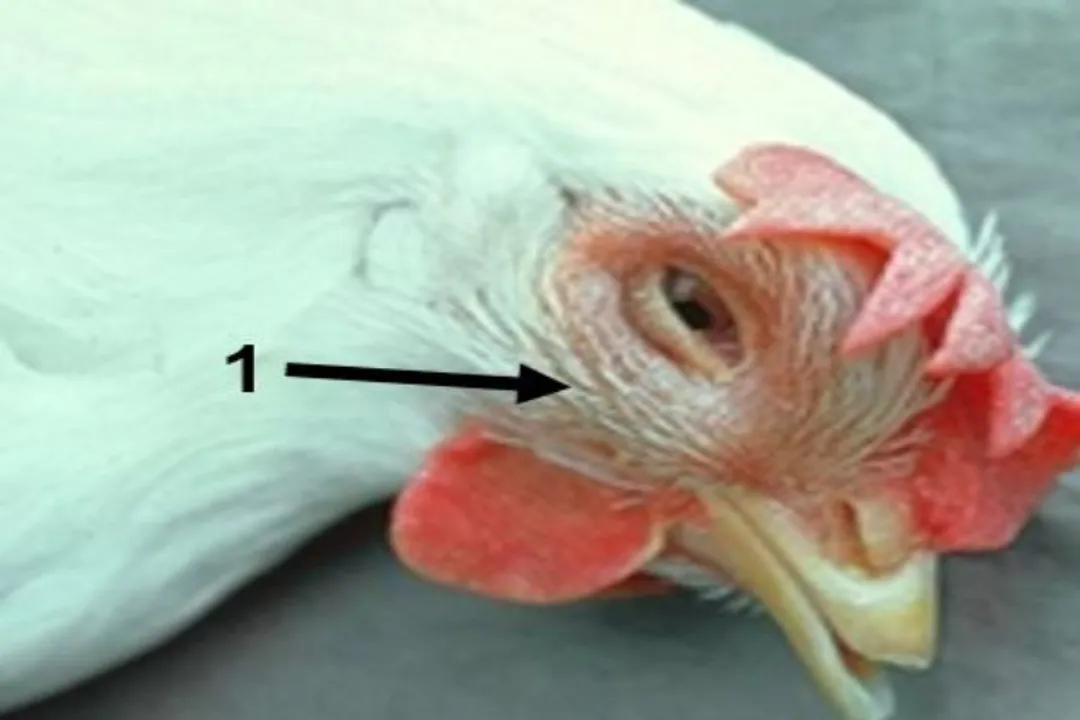
Poor ventilation creates environmental conditions that directly impair the bird's physical defenses against incoming microbes. Specifically, high concentrations of airborne irritants such as ammonia damage the delicate mucous membranes lining the respiratory tract. This irritation creates physical breaches or entry points, allowing the primary pathogen, *A. paragallinarum*, easier access to underlying tissues for colonization. Furthermore, compromised air quality reduces the bird's innate ability to efficiently clear inhaled debris and microbes, thereby exacerbating the vulnerability to establishment and subsequent proliferation of the infectious agent.
Related Questions
What bacterium is the principal pathogen responsible for Infectious Coryza?What was *Avibacterium paragallinarum* previously known as in older literature?Which factor is considered a predisposing cause influencing Coryza expression severity?How do high levels of ammonia resulting from poor ventilation affect the respiratory system during Coryza risk?Which agents frequently co-infect birds alongside *A. paragallinarum* causing a more severe syndrome?What is the primary route for *A. paragallinarum* transmission between chickens in a commercial flock?What limits the effectiveness of an Infectious Coryza vaccine regarding *A. paragallinarum* serogroups?How do farm personnel mechanically contribute to the indirect spread of Coryza across a farm?What tell-tale signs signal a flock is likely dealing with coryza upon initial observation?What rigorous environmental assessment should a flock manager prioritize to minimize future IC outbreaks beyond medication?