Can mold cause tingling?
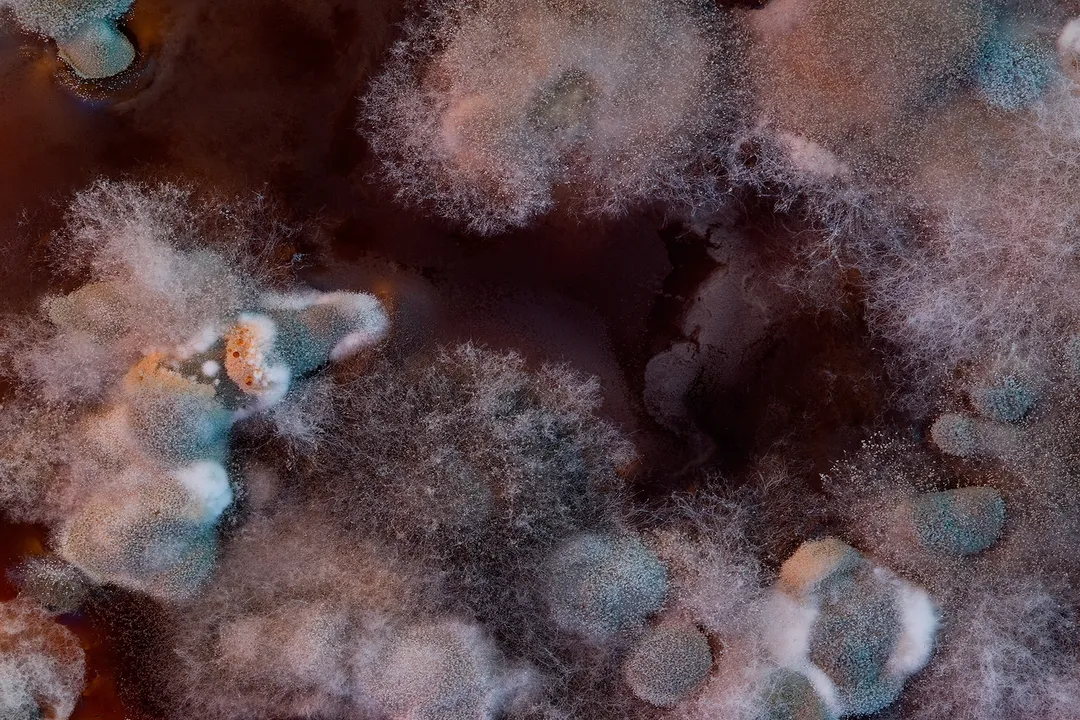
Sensory changes, such as a persistent feeling of tingling or numbness, are sometimes reported by individuals grappling with health issues they suspect are tied to mold exposure. [1][7] This sensation, medically known as paresthesia, falls under the broad category of neurological symptoms that have been associated with exposure to certain types of mold. [1][2] While many people immediately associate mold with respiratory problems or visible allergic reactions, the impact on the nervous system can be much more subtle and confusing, often leading people to seek answers for symptoms that seem unrelated to a damp basement or a leaky pipe. [3]
# Tingling Nerve Signs

The experience of tingling or numbness is frequently noted as an overlooked indicator of toxic mold exposure. [4] Paresthesia specifically describes abnormal sensations of the skin with no apparent physical cause, often manifesting as prickling, burning, or tingling. [1] In the context of environmental sensitivities, these nerve-related sensations are important markers because they point toward a systemic, rather than purely localized, effect. [7] It is not the mold spores themselves inhaled directly that are always the primary concern in these cases, but rather the toxic secondary metabolites they produce, known as mycotoxins. [4]
When the body is affected by these toxins, the nervous system can become dysregulated, leading to these peculiar sensory disturbances. [1][4] This contrasts with more acute, localized irritation, such as skin rashes which might occur from direct contact with certain molds; tingling is often a sign that the issue has moved into the body’s central or peripheral communication systems. [3]
# Toxin Mechanism
The concern surrounding mold exposure escalates significantly when mycotoxins are involved. [4] Mycotoxins are potent, naturally occurring toxic substances produced by molds that can contaminate indoor environments. [9] Exposure can occur through inhalation, ingestion, or dermal absorption, and chronic, low-level exposure is what often leads to a constellation of diverse symptoms, including neurological ones. [9]
Different species of mold produce different mycotoxins, and the specific effect on the body can vary depending on the toxin type and the individual’s susceptibility. [5] Some evidence suggests that these toxins can cross the blood-brain barrier or otherwise interfere with normal neurological signaling, which logically explains why symptoms like brain fog, difficulty concentrating, and sensory disturbances such as tingling might manifest. [1][2] While direct, widely accepted scientific consensus on the precise mechanism for all individuals is still developing, the correlation between documented mycotoxin presence and neurological complaints like numbness is a key area of concern for practitioners dealing with chronic environmental illness. [3][9]
When discussing the pattern of symptoms, for tingling to be confidently linked to mold, its frequency often correlates with time spent in the affected environment, perhaps becoming worse after returning home or improving significantly during short vacations away from the area, acting almost like a timing clock for exposure. [5] This fluctuation suggests a dynamic interaction between the body's reaction and the presence of the inciting agent, which in this case is the mold or its byproducts. [3]

# Broader Profile
Tingling rarely appears in isolation when mold toxicity is suspected; rather, it tends to join a larger collection of complaints that can be quite disruptive to daily life. [2][5] This broader profile of mold-related illness often includes fatigue, headaches, dizziness, and mood disturbances like anxiety or depression. [1][5]
It can be useful to view the neurological symptoms together:
| Neurological Symptom Category | Example Manifestations | Primary Source Association |
|---|---|---|
| Cognitive | Brain fog, poor memory, difficulty focusing | [1][2] |
| Sensory | Tingling, numbness, altered taste or smell | [1][4][7] |
| Emotional/Mood | Anxiety, irritability, depression | [1][5] |
| Motor/Physical | Tremors, muscle weakness | [1][5] |
Comparing these effects reveals that mold toxicity is a multi-system stressor. The presence of tingling alongside cognitive deficits, for instance, suggests an impact deeper than just peripheral nerve irritation. [1] It indicates that the body's entire communication network is potentially under strain from the toxic load. [2][9] Recognizing this cluster effect is crucial because a single, isolated symptom like tingling might otherwise be attributed to common issues like carpal tunnel syndrome or vitamin deficiencies, delaying the identification of an environmental trigger. [3]
# Diagnostic Complexity
Identifying mold toxicity as the root cause of tingling presents a significant diagnostic challenge. [9] Symptoms linked to mold exposure are notoriously non-specific, meaning they overlap with dozens of other conditions, from autoimmune disorders to simple stress. [9] Because the symptoms are so varied, an individual might see several different specialists—a dermatologist for a rash, a neurologist for the tingling, and a psychiatrist for anxiety—before the environmental factor is considered. [3][5]
Given the non-specific nature of neurological complaints, a practical step for investigation involves keeping a detailed log, not just of the tingling or numbness itself, but cross-referencing it with known water damage events or visible mold growth in the living or working space, even if the growth is minor or currently remediated, as residual effects can persist. [8][9] A strong indicator for an environmental cause arises when symptoms dramatically improve upon leaving the suspected area for an extended period and then return upon re-entry. [5] This pattern strongly suggests a continuous exposure is driving the recurring neurological response. [3]
It is important to note that testing for mold exposure can also be complex. While testing the air or surfaces for mold presence is one step, confirming the body's toxic burden often involves assessing mycotoxin levels in biological samples, although interpretation requires expertise. [4][8] Because of this complexity, seeking guidance from healthcare providers experienced in environmental medicine is often recommended when a strong suspicion exists that hidden mold may be causing chronic neurological symptoms like persistent tingling. [9] They can help distinguish whether the paresthesia is a direct result of toxic exposure or simply a coincidental finding. [2]
# Mitigating Exposure Risk
Once mold is suspected as a potential cause for neurological symptoms like tingling, immediate action focuses on minimizing further exposure while seeking professional evaluation. [8] Identifying and removing the source of moisture is the fundamental first step in controlling mold growth indoors. [8] Mold requires moisture to thrive; therefore, locating and fixing any leaks, controlling humidity levels, and ensuring proper ventilation are necessary preventative measures. [5]
If a strong correlation is found between symptoms and a specific building, mitigation efforts must be thorough. Simply cleaning visible mold is often insufficient if the growth is extensive or if the toxic varieties are present. [8] Professional remediation is sometimes necessary to safely remove the contaminated materials and clean the area without spreading spores or toxins further into the living space. [8]
For the individual experiencing the tingling, addressing underlying inflammation and supporting general neurological health through diet and supplements might be recommended by a practitioner, running parallel to the environmental investigation. [9] However, the primary health strategy must revolve around eliminating the source of the toxins. Without removing the exposure, any other supportive treatment is essentially treating a recurring symptom rather than the underlying trigger. [3][4] The resolution of persistent tingling or numbness, when linked to mold, is often directly tied to the successful and complete remediation of the contaminated environment. [1]
Related Questions
#Citations
Neurological Symptoms of Mold Exposure - Lyme Mexico Clinic
Mold Exposure and Neurological Symptoms to Look For - Healthline
7 Symptoms of Mold Exposure | Rose Wellness
A sometimes-overlooked sign of toxic mycotoxins ☣️ is a feeling of ...
How to Identify the 10 Warning Signs of Mold Toxicity
Moist and Mold Exposure is Associated With High Prevalence of ...
Tingling and Numbness from Mold Exposure - Mold Removal
How to Identify Hidden Mold Toxicity (and What to Do About It) - Goop
12 Mold Toxicity Symptoms You Shouldn't Ignore - Parsley Health