What specific indigenous name is used for Taro root (*Colocasia esculenta*) in Hawaiʻi?
Answer
Kalo
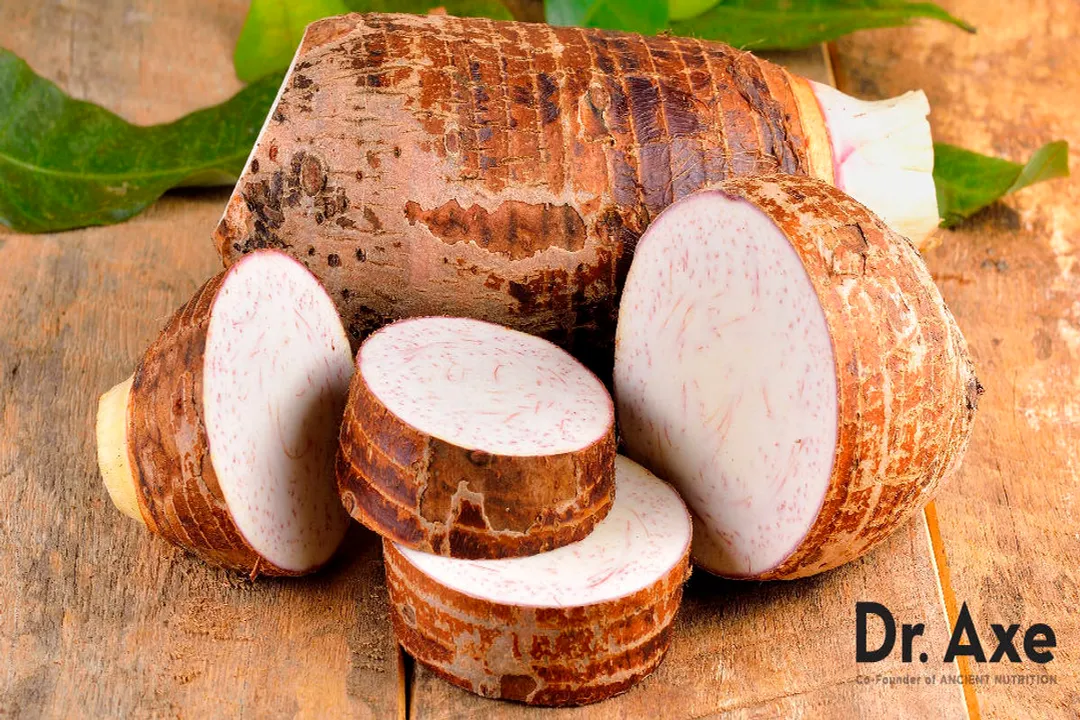
Taro root, scientifically identified as *Colocasia esculenta*, holds significant cultural and historical importance in various regions globally. In Hawaiʻi, this foundational corm is deeply integrated into cultural practices and history, where it is known by its specific indigenous name. This name is 'kalo.' This term reflects its deep roots within the cultural heritage of the islands, contrasting with its generic English classification as a starchy root or tuber. While the root is enjoyed globally, recognizing regional names like 'kalo' acknowledges its specific historical and spiritual significance in those locations.
Related Questions
What natural compounds in raw Taro root necessitate thorough cooking to prevent oral irritation?What role do the undigested carbohydrates, fiber and Resistant Starch (RS), play once they reach the colon?What percentage of the daily value for Manganese does a cooked cup of taro root typically provide?How does the lectin Tarin exert its noted antitumoral and antimetastatic activity in preclinical models?Which preparation methods are sometimes favored over boiling for retaining a higher percentage of water-soluble nutrients in taro?What beneficial substances are produced when gut microbes ferment the fiber and Resistant Starch (RS) found in taro?How does the Resistant Starch (RS) component in taro specifically contribute to better long-term blood sugar management?What specific indigenous name is used for Taro root (*Colocasia esculenta*) in Hawaiʻi?Which specific polyphenol is most frequently cited as the powerful antioxidant compound found within taro root?How does the substantial fiber content in taro assist individuals attempting weight management regarding food intake?Which essential mineral, abundant in taro, is crucial for cardiovascular support by counterbalancing excess sodium?