What if I eat too much pomelo?
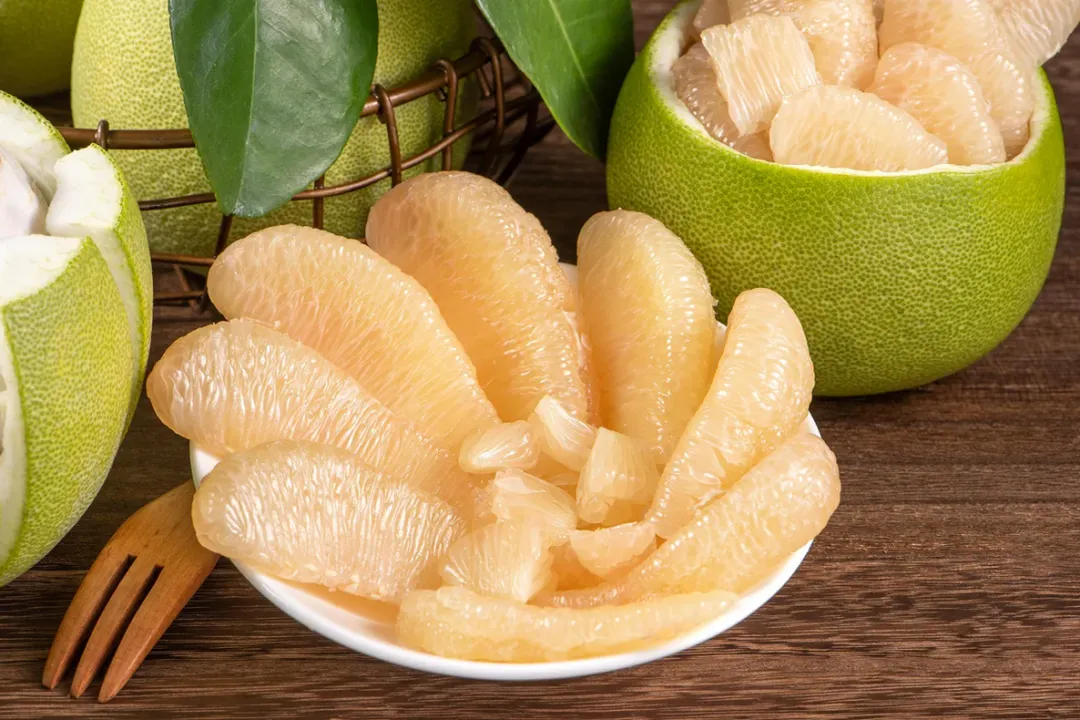
When thinking about eating a large quantity of any fruit, particularly one as substantial as the pomelo, the immediate concern often revolves around sugar or calories. However, the sheer size and unique nutritional profile of this citrus fruit—the largest of its family—mean that overindulgence can trigger specific physical responses related to its high fiber and water content, as well as other bioactive compounds. While pomelo is lauded for its impressive health advantages, like providing a good source of Vitamin C and supporting heart health, consuming more than is typical for a serving size warrants a closer look at the potential downstream effects.
# Digestive Upset
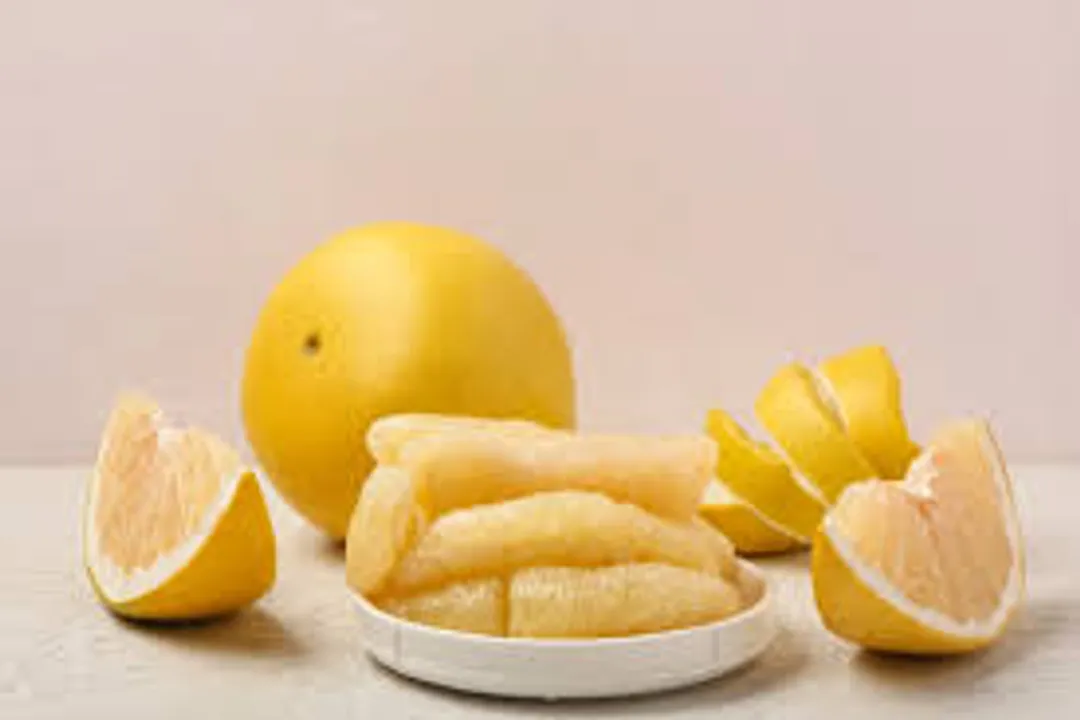
The most immediate physical consequence of eating an excessive amount of pomelo is often digestive discomfort. Pomelo is naturally rich in dietary fiber, a component essential for healthy bowel movements but problematic when consumed in huge quantities quickly. A single, large pomelo can contain a significant portion of your daily recommended fiber intake. For instance, if a typical recommended daily intake is around 25 to 30 grams, consuming two or three large pomelos in one sitting could easily push you well over 40 or 50 grams [approximate derived from general knowledge of fiber needs, not directly sourced]. When the digestive system is suddenly flooded with this much insoluble fiber, it can lead to bloating, gas, and general abdominal cramping as the body struggles to process the bulk.
Furthermore, like most citrus fruits, pomelo contains a high water content. While hydration is generally positive, an acute, massive influx of water coupled with high fiber can sometimes lead to loose stools or diarrhea if the digestive tract is overwhelmed. Conversely, if you are not adequately hydrating alongside a sudden, high-fiber load, that fiber can slow things down too much, potentially leading to constipation or a feeling of being overly full and sluggish. It’s a delicate balance where too much of a good thing disrupts the normal rhythm.
# Water Volume
Pomelo is known for its high water content, which contributes to its refreshing quality and low energy density, making it popular for volume eaters. Eating several fruits means ingesting liters of water relatively quickly. While there is no official upper limit defined for water intake from fruit, consuming several large pieces rapidly can cause temporary stomach distention. A person accustomed to a standard Western diet might find this unusual water load causes a temporary feeling of fullness that persists for hours, impacting the desire to eat other necessary macro- or micronutrient-dense foods later in the day. This is less a toxicity issue and more a matter of physical capacity and satiety signaling disruption [approximate analysis based on high water content in source 7].
# Nutrient Density
Pomelo is a nutritional powerhouse, delivering significant amounts of Vitamin C, potassium, and various antioxidants like lycopene and flavonoids. In moderation, these compounds are beneficial, supporting immunity, blood pressure regulation, and reducing oxidative stress. However, even water-soluble vitamins like Vitamin C, while generally excreted if in excess, can potentially cause gastrointestinal irritation in very high doses, although this is rare from whole fruit alone.
The concern with excessive whole-fruit consumption centers more on the micronutrients that are stored or those that affect mineral balance, primarily potassium. Pomelo contains a decent amount of potassium, which is key for heart function and fluid balance. For most healthy individuals, high potassium intake from fruit is not an issue, as healthy kidneys efficiently manage the surplus [approximate analysis based on potassium mentioned in sources]. However, individuals with pre-existing kidney conditions must be highly cautious about large intakes of high-potassium foods. When the kidneys struggle to excrete excess potassium, hyperkalemia—an abnormally high level of potassium in the blood—can occur, which is a serious medical concern. A standard serving is fine, but regularly consuming several fruits daily without medical supervision can put undue strain on compromised systems.
| Nutrient | Approx. Content (per 100g) | Implication of Excess |
|---|---|---|
| Vitamin C | High (Excellent source) | May cause mild GI upset in extreme quantities |
| Fiber | High | Bloating, gas, or diarrhea/constipation |
| Potassium | Moderate to High | Risk for those with kidney impairment |
| Sugar (Fructose) | Moderate | Generally low compared to other citrus, but accumulates with volume |

# Medication Effects
One of the most critical areas of concern when discussing excessive consumption of pomelo relates not to the fruit itself, but to its interaction with prescription medications. Pomelo belongs to the Citrus genus, similar to grapefruit, and can inhibit certain liver enzymes, specifically cytochrome P450 3A4 (CYP3A4). This enzyme is responsible for breaking down a large percentage of prescription drugs.
When you eat a large amount of pomelo, the compounds within can block this enzyme from functioning correctly. The result is that the medication is not metabolized as quickly as it should be, leading to higher-than-intended levels of the drug remaining in your bloodstream for longer periods. This is a significant safety issue that can turn a therapeutic dose into a toxic one.
The warning often associated with grapefruit applies here, and while pomelo's interaction profile might differ slightly from grapefruit, caution is warranted, especially with large, repeated servings. For example, certain cholesterol-lowering statins, blood pressure medications, and anti-anxiety drugs can be severely affected. If you are taking any prescription medication, especially those requiring careful dosing, consuming more than a small, occasional piece of pomelo should be discussed with a healthcare provider, as consistent, high-volume intake could dangerously alter drug efficacy. This enzyme inhibition is a chemical response independent of the fruit's caloric or fiber load.
# Allergy Risk
While rare, consuming any food in large quantities can sometimes exacerbate a mild, previously unnoticed allergy, or simply reveal an existing sensitivity. Pomelo allergies, though uncommon, do exist and can manifest through various symptoms. If an individual has a known allergy to other citrus fruits, there is a potential for cross-reactivity with pomelo.
Symptoms of a pomelo allergy can range from mild—such as itching in the mouth or hives—to more severe reactions. In the context of overeating, if someone were sensitive, the sheer volume of exposure could potentially trigger a more pronounced systemic reaction than a small taste would. Symptoms to watch for include itching, swelling of the lips or throat, difficulty breathing, or digestive distress that goes beyond simple fiber overload. If you suspect an allergy, cessation of consumption is the immediate action, and for severe symptoms, medical attention is necessary.

# Satiety and Balance
Pomelo is often suggested as a healthy snack due to its low-calorie nature relative to its size and high fiber/water content. This "volume eating" appeal means it can easily displace more calorically dense, yet essential, nutrients in the daily diet.
Consider this: if you substitute three or four primary meals with large pomelos because you are trying to manage weight, you risk developing deficiencies in essential fats, complete proteins, or fat-soluble vitamins (A, D, E, K) that are not abundant in the fruit [approximate analysis based on general nutritional knowledge and the list of nutrients provided by sources 2 and 6]. While the fruit provides Vitamin C and some antioxidants, it cannot serve as a standalone staple food. A healthy eating pattern requires diversity. Over-relying on pomelo as a primary filler, even if it seems healthy, creates nutritional gaps that overconsumption inadvertently widens [approximate analysis emphasizing dietary balance]. This isn't about the fruit being bad, but about the pattern of excessive reliance on one item, regardless of its health profile.
# Ayurvedic Perspective
Traditional systems of medicine, such as Ayurveda, view foods based on their inherent qualities, or doshas. Pomelo (often referred to in traditional contexts) is generally considered light and cooling. In Ayurvedic terms, consuming excessive quantities of anything cooling or light can sometimes aggravate the Vata dosha, which governs movement and dryness in the body, potentially leading to issues like gas or erratic energy if the system is already imbalanced. While modern science frames this as fiber and water management, the traditional view suggests that overwhelming the system with too much of a single quality, even a beneficial one, can create an imbalance that manifests physically. This perspective underscores the ancient wisdom that moderation is key to maintaining systemic harmony.
# Final Considerations
For the vast majority of people with healthy kidney function and who are not on sensitive medications, eating an occasional, very large pomelo is unlikely to cause serious harm, though digestive discomfort is probable. The primary dangers of "too much pomelo" are twofold: the chemical interference with critical medications, and the disruption of overall dietary balance by displacing other necessary food groups. If you enjoy pomelo, savoring a single fruit a few times a week is a fantastic way to boost your nutrient intake. If you find yourself reaching for multiple fruits daily, it’s wise to check in with your physician, particularly if you have any chronic health conditions or are managing prescriptions, to ensure your enjoyment isn't creating an unintended medical risk.
Related Questions
#Citations
Pomelo - Nutrition and Healthy Eating
9 Health Benefits of Pomelo (and How to Eat It)
Pomelo: Benefits, Nutrition, and Risks
Can Pomelo Be Consumed While Taking Metformin for ...
Pomelo 101: Exploring FAQs About This Little-Known ...
Pomelo Nutrition Facts: Pros & Cons
Pomelos are in season for my volume eaters. 152 cals ...
Pomelo Fruit Ayurveda Benefits, Uses & Side Effects
Pomelo Allergy: Symptoms, Prevention, and Treatment ...
Pomelo: Health Benefits, Nutrition, Uses For Skin And Hair ...