Do you actually lose weight on a carnivore diet?
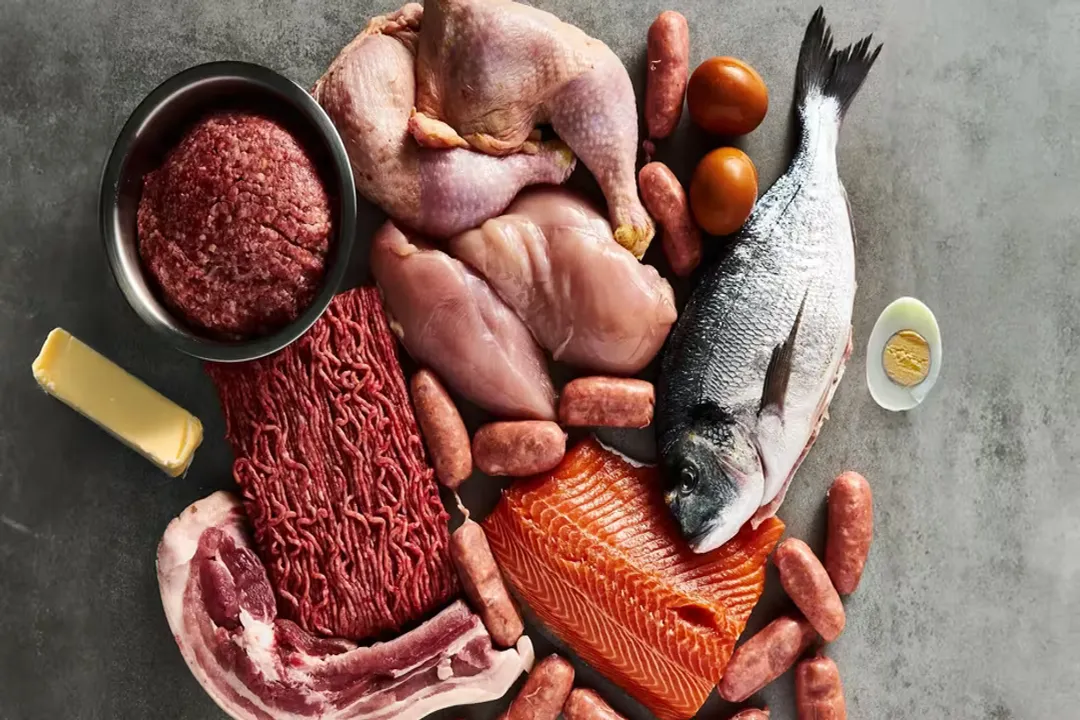
The question of weight loss on a carnivore diet often generates polarizing responses, mixing anecdotes of rapid success with reports of frustrating plateaus. At its most basic, the carnivore approach mandates consuming only animal products—meat, fish, eggs, and sometimes select dairy—while eliminating virtually all plant matter, including carbohydrates. Because this diet is so restrictive, it functions as an extreme elimination protocol, often leading to significant shifts in body composition for those who adhere strictly to it.
# Defining Carnivore
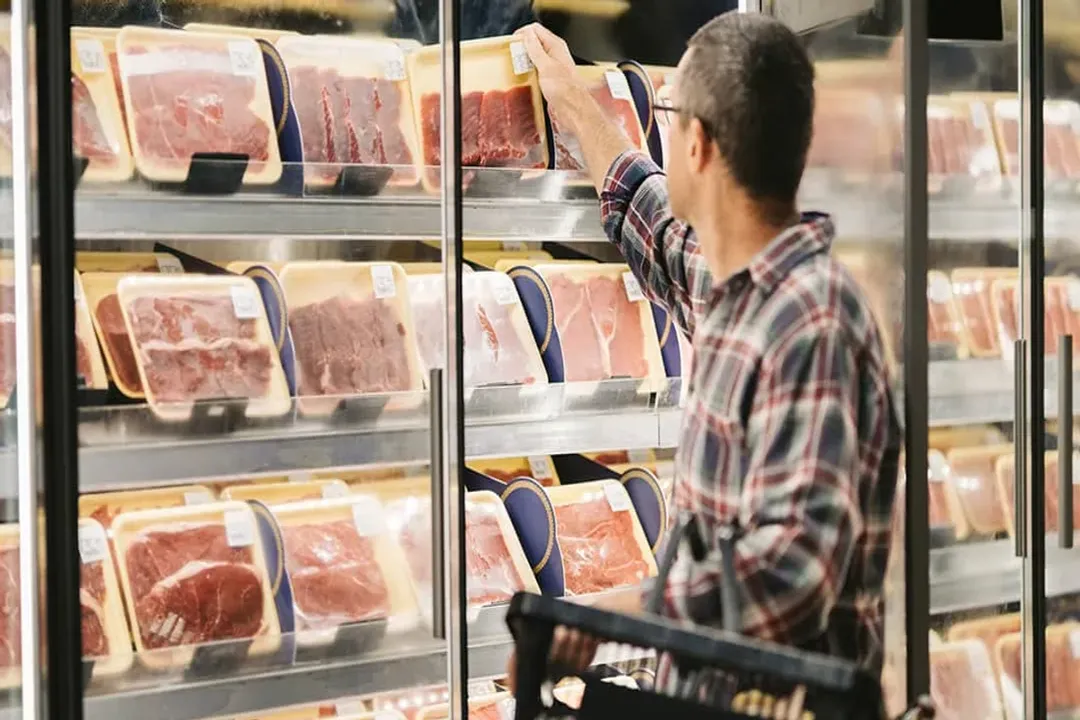
Understanding what the diet entails is the first step to understanding the weight loss mechanism. It is often framed as a zero-carbohydrate way of eating, placing it firmly in the realm of ketogenic eating, but taken to its absolute limit. Proponents aim to derive all necessary energy from protein and fat, avoiding sugars, starches, and fiber entirely. The appeal often lies in its simplicity: if it didn't come from an animal, you don't eat it. This strict exclusion naturally removes common dietary culprits like processed foods, refined sugars, and alcohol, which inherently sets the stage for caloric reduction for many individuals.
# Early Weight Loss
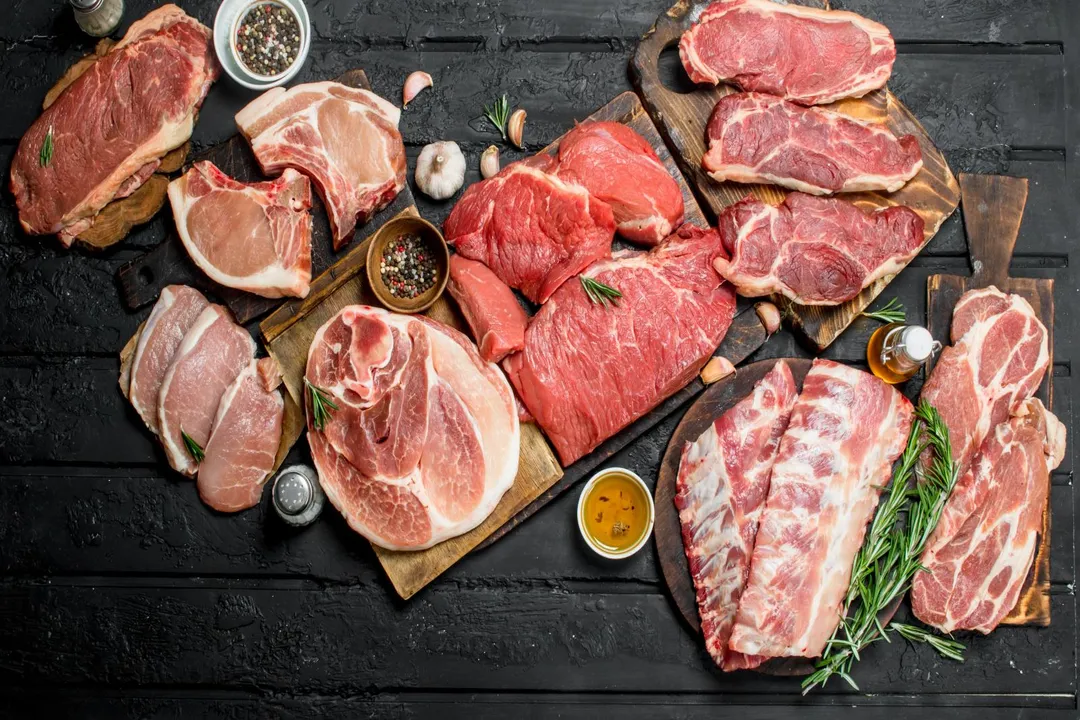
When people first adopt the carnivore diet, initial weight loss is frequently dramatic and fast. This initial drop is very common across any diet that severely restricts carbohydrates, such as the ketogenic diet. When the body is starved of carbohydrates, it burns through its stored glucose, which is bound to water in the muscles and liver. Releasing this glycogen results in a quick loss of several pounds of water weight within the first week or two. Beyond the water weight, many people report a substantial reduction in appetite. Since protein is highly satiating, consuming enough fat and protein to meet energy needs can be difficult, leading to an unintentional, significant reduction in overall calorie intake, which drives weight loss.

# Plateau Reasons
If the initial success fades, many dieters find themselves asking why the scale has stopped moving despite eating "only meat." The reality is that simply eating meat does not guarantee fat loss; caloric balance still dictates long-term weight change. One of the most common reasons for a stall is overconsumption of fat. While protein intake might feel controlled, the high caloric density of fat means a person can easily eat too much energy without feeling overly full in the traditional sense. For instance, switching from a standard diet to one centered around high-fat cuts like ribeye or excessive amounts of butter or lard, even without added carbohydrates, can result in consuming more calories than the body burns at rest and during activity.
Another factor relates to the body's energy requirements themselves. As you lose weight, your basal metabolic rate (BMR) decreases because there is less mass to maintain. If you started eating 2,500 calories and were losing weight, but now you only weigh 180 pounds instead of 220 pounds, those same 2,500 calories might now represent maintenance, not a deficit. A pound of pure ground beef might contain significantly more energy than a pound of very lean steak, yet the satiety cues from the volume of food might feel similar enough to trick the eater into overshooting their energy budget. You must adjust your intake downward as your body size shrinks.
Furthermore, adherence isn't always perfect. Hidden ingredients in commercial products pose a risk. Some processed meats, like sausages or cured bacon, can contain sugars, dextrose, or fillers that sneak in small amounts of carbohydrates, which can disrupt the zero-carb state necessary for full ketosis and fat burning.
# Lifestyle Effects
Weight loss is not solely about food input; metabolic health is heavily influenced by surrounding lifestyle factors, which are frequently overlooked when focusing only on the meal components. Stress levels play a surprisingly large role. Elevated, chronic stress raises cortisol, a hormone that can promote fat storage, often around the midsection, and increase appetite, even on a restrictive diet. If sleep quality is poor, hormonal signals regulating hunger (ghrelin) and fullness (leptin) become dysregulated, potentially overriding the appetite suppression effect of high protein intake.
Hydration is another silent killer of progress. While the diet is low in water-rich vegetables, individuals must be very deliberate about drinking plain water. Dehydration can mimic hunger signals and slow down all metabolic processes, including the rate at which the body mobilizes stored fat for energy. On a high-protein diet, adequate water is also critical for kidney function in processing the byproducts of protein metabolism.
# Addressing Stalls
When weight loss halts on a strictly followed carnivore regimen, the solution usually involves fine-tuning the macronutrient balance or addressing external stressors.
- Calorie Assessment: This is the most direct approach. If you have been eating high-fat ground beef (e.g., 80/20), try temporarily switching to much leaner cuts like sirloin tips or even chicken breast for a week or two to force a stronger caloric deficit. If weight loss resumes, you know fat intake was too high for your current energy needs.
- Electrolyte Balance: Some initial side effects, like fatigue or muscle cramps, are related to electrolyte imbalances that occur when carbs are dropped. While electrolytes aren't usually a weight loss stall factor, general malaise can reduce activity levels, indirectly slowing progress. Ensuring sufficient salt intake is key for carnivore followers.
- Introduce Movement: While diet is primary, increasing non-exercise activity thermogenesis (NEAT)—walking, taking the stairs, fidgeting—can create a small but consistent energy gap without the added physical stress of intense workouts, which can sometimes exacerbate cortisol issues.
It's important to remember that the body's composition changes are not always linear. Muscle gain (especially if you are strength training) can mask fat loss on the scale. If clothing fits better, energy levels are high, and you feel physically better, the scale might be misleading.
# Long Term View
The true unknown surrounding the carnivore diet is its long-term sustainability and safety profile. While short-term adherence often results in weight loss and improved markers for some, the absence of fiber and certain vitamins found only in plants raises nutritional concerns. Fiber is crucial for gut motility and feeding beneficial gut bacteria, which influences overall health.
Anecdotal evidence is mixed; some individuals report thriving long-term, feeling they have optimized their health and maintained their weight loss successfully. Others report digestive distress, fatigue, or eventual reintroduction of cravings that break the strict protocol. Unlike a typical low-carb approach where one can easily add a handful of berries or greens, the metabolic shift on an all-meat diet leaves less room for error. The body loses its baseline flexibility to handle any significant influx of non-animal energy sources. Should one decide to transition off the diet, reintroducing carbohydrates, even whole-food sources, can sometimes lead to immediate and significant digestive upset because the metabolic machinery for processing them has become dormant [Original Insight]. Navigating the transition off the diet while maintaining weight loss requires a much slower, more cautious reintroduction strategy than is typically needed when coming off a less extreme eating style.

# Conclusion
Yes, weight loss often occurs on a carnivore diet, driven primarily by the natural calorie restriction resulting from high protein satiety and the complete removal of dietary carbohydrates, which also strips initial water weight. However, weight loss is not guaranteed. When plateaus hit, the cause is nearly always related to consuming too much energy from fat or secondary physiological stressors like poor sleep and high stress. The diet requires meticulous attention to portion control—especially of fatty cuts—and diligent management of non-food lifestyle factors to ensure continued success. For many, the restrictive nature makes long-term adherence difficult, but for those who stick to it, the initial slimming effects are often pronounced.
Related Questions
#Citations
Carnivore Diet: Meal Plan and Food List - WebMD
Not losing weight on carnivore diet plans? Possible reasons why
Is the Carnivore Diet Actually Healthy? | St. Vincent's Medical Center
Why You Re Not Losing Weight On The Carnivore Diet And How To ...
Carnivore Diet: What Is It and Is It Healthy?
Why Am I Not Losing Weight on the Carnivore Diet? 5 Common ...
The Carnivore Diet Craze: Can Eating Only Meat Be Healthy?
The Carnivore Diet: Is Extreme Keto Healthy for Weight Loss?
Those of you who tried the carnivore diet - how'd you go? - Reddit