What is a good diet meal to lose weight?
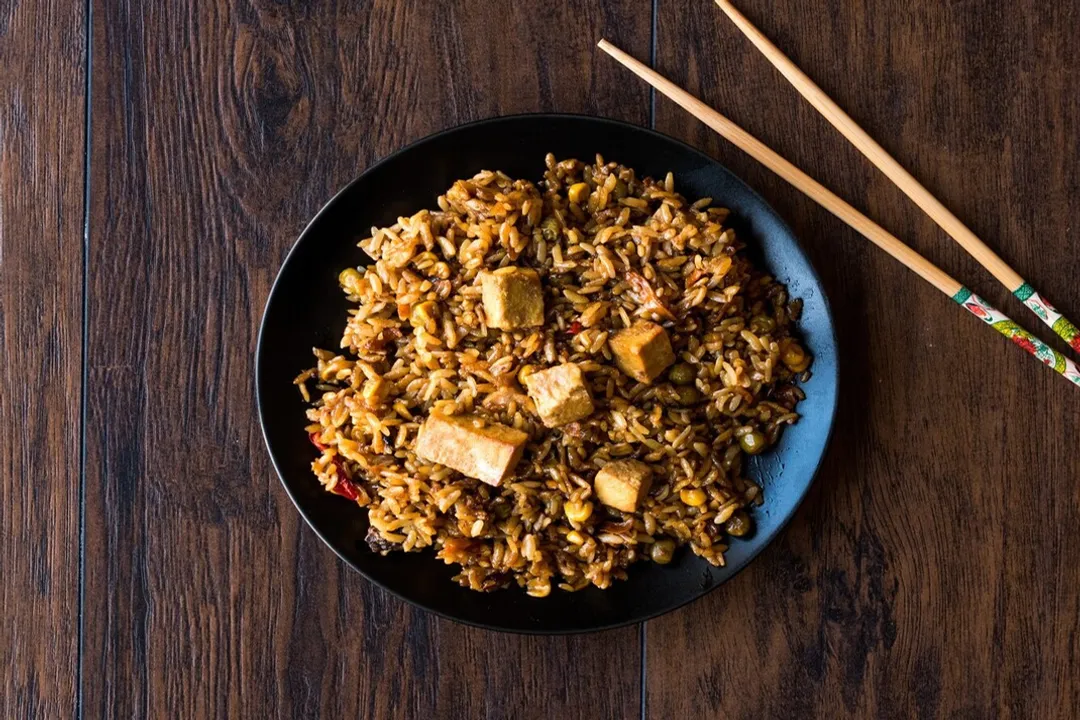
Figuring out what constitutes a genuinely good diet meal for weight loss often feels like navigating a minefield of conflicting advice, but the truth is usually much simpler, resting on consistent, smart choices rather than restrictive fads. A truly effective meal isn't just about hitting a low number on the scale; it's about choosing foods that keep you full, supply necessary energy, and support your body over the long term. [2] Success hinges on creating a sustainable pattern where you consistently consume fewer calories than you burn, meaning that every meal must contribute effectively to that deficit while maximizing nutrient intake. [1]
# Calorie Basis
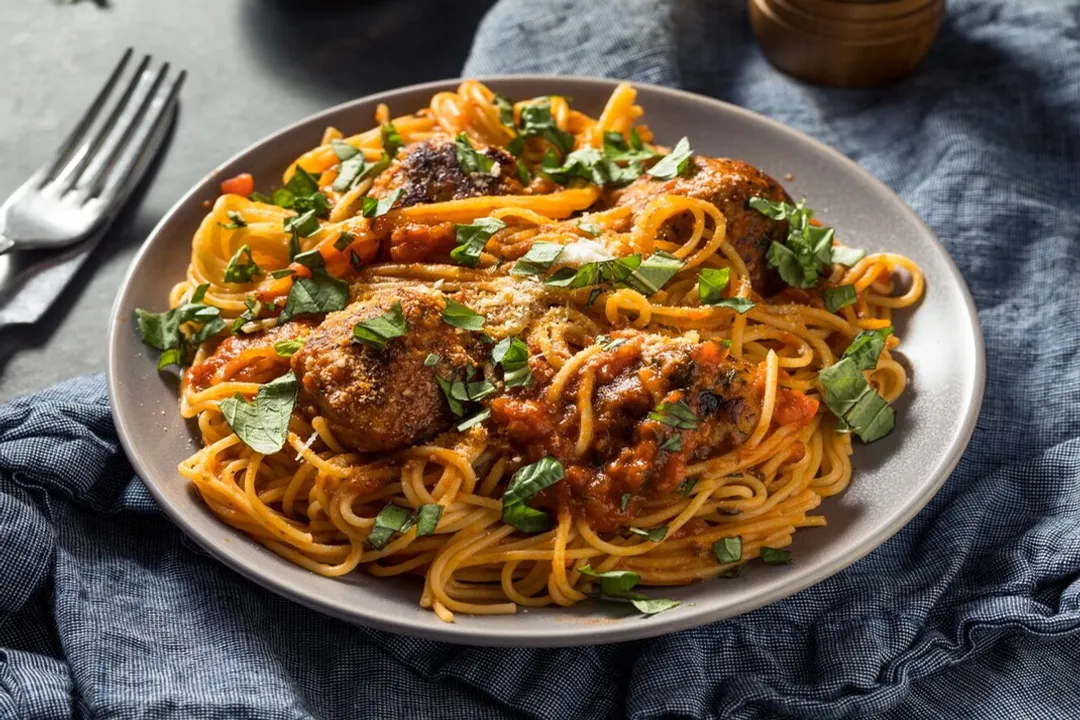
Weight loss fundamentally requires a caloric deficit, meaning you must burn more energy than you take in. [1] While this is the mathematical foundation, the quality of the calories matters immensely for adherence and health. Some structured plans, often for women, target around 1,200 calories per day as a starting point, though this amount varies significantly based on an individual’s starting weight, activity level, and goals. [1] For many people, simply focusing on increasing the density of nutrients—packing more vitamins, minerals, and fiber into fewer calories—is a more intuitive path than meticulously tracking every single gram. [2]
What you exclude is often as important as what you include. Cutting back significantly on added sugars, saturated fats, and highly processed snacks will naturally reduce overall calorie load without requiring constant deprivation. [2] For instance, swapping a sugary beverage for water is an immediate calorie win that requires zero complex meal planning.
# Nutrient Density
The best foods for shedding pounds are those that offer high nutritional value for a relatively low energy cost. These foods tend to be high in water and fiber, which helps them take up more space in your stomach, signaling fullness sooner. [5]
Think about your plate composition. Prioritizing protein and fiber is a fantastic starting point for satiety. Protein, whether from lean meats, fish, beans, or legumes, requires more energy to digest (a process called the thermic effect of food) and is highly effective at reducing hunger hormones. [5] Fiber, found abundantly in vegetables, fruits, and whole grains, slows digestion and helps stabilize blood sugar levels, preventing the sharp crashes that often trigger cravings. [5]
Foods often highlighted for their weight-loss-friendliness include eggs, leafy greens like spinach, cruciferous vegetables such as broccoli and cauliflower, fatty fish like salmon (rich in omega-3s), and legumes. [5] Incorporating these elements ensures that even a smaller portion leaves you feeling satisfied rather than depleted.
# Mediterranean Style
Many successful eating patterns share common threads, and the Mediterranean diet stands out as an authoritative model for long-term health and weight management. [3][4] This approach isn't a restrictive "diet" in the modern sense; rather, it’s a pattern emphasizing whole foods. Key components include high consumption of fruits, vegetables, whole grains, nuts, seeds, legumes, and olive oil as the primary source of fat. [4] Fish and poultry are eaten regularly, while red meat and sweets are limited. [4]
The Mayo Clinic approach, which shares principles with the Mediterranean style, focuses on eating certain foods in larger portions—fruits, vegetables, whole grains, and beans—while limiting others, such as refined grains, processed foods, and saturated fats. [4] The emphasis here is on swapping—replacing less nutritious options with nutrient-dense alternatives—rather than outright eliminating entire food groups, which supports better adherence. [4]
If you look at structured plans, like one sample monthly plan, you see this reflected: meals are built around lean proteins (like chicken breast or fish), large portions of vegetables, and moderate servings of whole grains or starchy vegetables. [3]
# Budget Meals
Sustainability is often tied to cost. Eating healthily doesn't require expensive specialty ingredients, which is a crucial consideration for anyone trying to maintain a lifestyle change over months or years. [6] A low-budget approach focuses on affordable, nutrient-dense staples that can be bought in bulk. [6]
Consider these cost-effective swaps:
- Protein: Dried or canned beans and lentils are incredibly cheap sources of protein and fiber, often cheaper per gram of protein than meat. [6] Eggs are also generally an economical protein choice. [5][6]
- Carbohydrates: Oats, brown rice, and potatoes (eaten with the skin) offer excellent value and sustained energy compared to highly processed snacks. [6]
- Vegetables: Frozen vegetables (like spinach or mixed bags of broccoli/carrots) often retain their nutrients and are significantly cheaper than fresh, especially out of season. [6] Cabbage and carrots are typically low-cost fresh staples year-round. [6]
When combining budget consciousness with weight loss, you are essentially aiming for the highest possible nutrient return on every dollar spent.
# Food Pairing Benefits
Beyond the individual components of a meal, how you combine foods can enhance weight loss effectiveness. Certain pairings can increase satiety or improve nutrient absorption. [8] For example, pairing foods rich in Vitamin C (like bell peppers or tomatoes) with iron-rich foods (like beans or lean beef) boosts the body’s ability to absorb that iron. [8] Similarly, consuming healthy fats alongside fat-soluble vitamins found in vegetables helps your body access those nutrients. [8]
Consider pairing a lean protein source with a high-fiber vegetable. A dinner might feature grilled chicken breast alongside a massive serving of steamed broccoli and a small side of quinoa. The chicken manages hunger, the broccoli provides volume and fiber with minimal calories, and the quinoa offers slow-releasing energy. [5]
Instead of thinking about restrictive macro ratios for every bite, visualize your plate: aim for half the plate to be non-starchy vegetables, one-quarter lean protein, and the final quarter a complex carbohydrate source. [3] This visual guide helps enforce portion control naturally, which is often easier to maintain than calorie counting in social settings or when cooking quickly. [2]
# Dinner Ideas
Dinner recipes designed for weight loss frequently feature lean protein and an abundance of vegetables, keeping heavier starches limited or entirely replaced by non-starchy options. [7][10] Many successful recipes center on preparation methods that don't add excess fat, such as baking, grilling, steaming, or light sautéing. [10]
To bring these principles together, here is an actionable template for building a great weight-loss dinner, synthesizing the common elements found across healthy recipe collections:
| Plate Section | Primary Goal | Example Ingredients | Typical Portion Size Estimate |
|---|---|---|---|
| Volume/Fiber | Satiety, low energy density | Mixed greens, asparagus, zucchini, cauliflower rice | 2-3 cups cooked/raw |
| Lean Protein | Muscle maintenance, satiety | Baked salmon, turkey meatballs, lentils, firm tofu | Palm-sized portion (about 3-4 oz cooked) |
| Complex Carb | Sustained energy (optional/limited) | Small sweet potato, 1/2 cup brown rice, quinoa | Cupped hand size |
| Healthy Fat | Flavor, nutrient absorption | Small drizzle of olive oil, a sprinkle of nuts/seeds | Thumb-sized portion |
When looking at specific dinner recipes, you'll see this structure repeated: think salmon baked with herbs and lemon served over a large bed of roasted Brussels sprouts and carrots, or a turkey chili heavy on beans and tomatoes with minimal added cheese or cream. [7][10] The key differentiation from a standard, non-weight-loss meal is the sheer volume of vegetables relative to the starch or processed ingredient. [2] If you follow a 1,200-calorie structure, you might have to be more precise with the carbohydrate portion, perhaps swapping the half sweet potato for a serving size equivalent to a deck of cards. [1]
# Managing Intake
Beyond what you eat, how you manage your overall daily intake shapes your success. Some structured diet plans suggest specific calorie intakes—for example, a 1,200-calorie plan might divide calories across meals (e.g., 300 for breakfast, 400 for lunch, 400 for dinner, 100 for a snack). [1] While this provides a concrete structure, rigidity can lead to burnout. A more flexible approach involves balancing energy needs across the day while ensuring each meal contributes significantly to your daily vegetable and protein minimums. [2]
A useful method for controlling intake without measuring everything is mindful eating. Paying attention to your meal, eating slowly, and setting aside distractions allows your body the necessary time to register fullness signals, which can take about twenty minutes. [8] This often naturally reduces the total volume consumed at that sitting. Furthermore, ensuring you drink water before and during meals can also contribute to feeling fuller on less food. [2]
For those seeking a structured but flexible plan, focusing on the quality of food and practicing mindful portions—like using the plate template described above—provides a more adaptable path than adhering rigidly to a very low daily calorie target unless professionally advised. [4] The goal is creating internal habits that make weight loss feel like a natural consequence of eating well, rather than a constant, externally imposed restriction.
Related Questions
#Citations
A Simple 7-Day, 1200-Calorie Diet Meal Plan - Good Housekeeping
Healthy eating when trying to lose weight - Better Health - NHS
[PDF] My 30 Day Healthy Lifestyle Eating Plan - Mount Sinai
The Mayo Clinic Diet: A weight-loss program for life
16 Healthy Foods to Support Weight Loss - Healthline
Low Budget Diet Plan For Weight Loss: 7-Day Meal Guide
53 Dinner Recipes for Weight Loss | Taste of Home
14 Great Food Combos for Losing Weight - WebMD
Mediterranean Diet: Food List & Meal Plan - Cleveland Clinic
Healthy Dinner Recipes To Lose Weight - BBC Good Food