Which vegetables are considered reliable sources for ingesting natural chlorophyll?
Answer
Spinach, kale, parsley, and wheatgrass
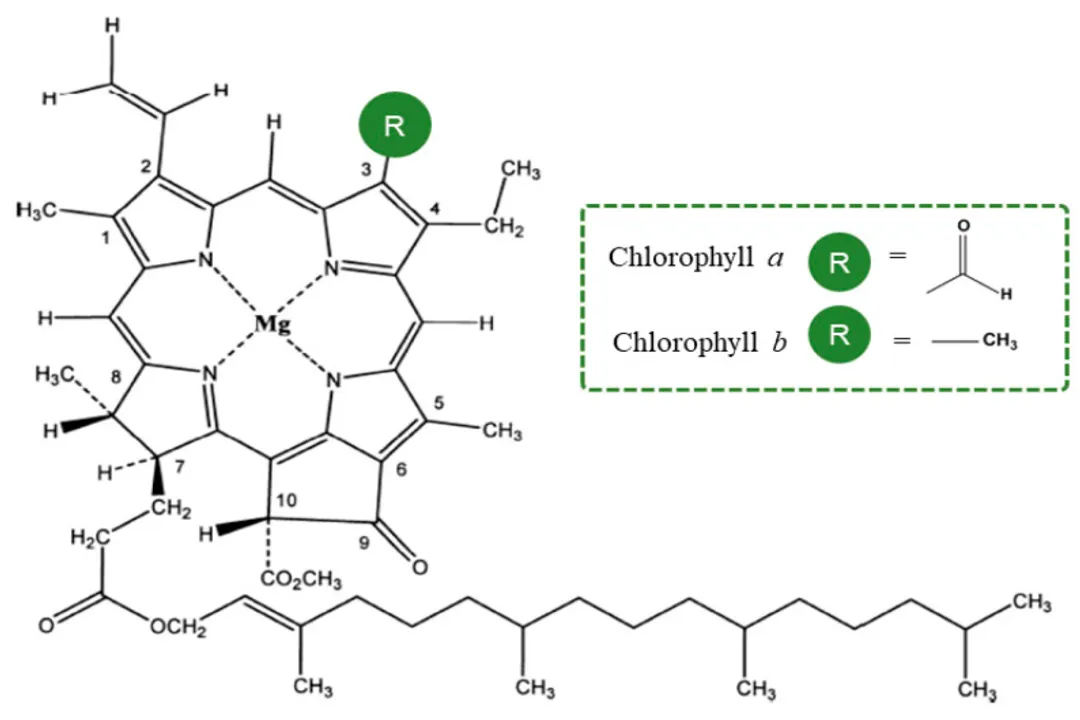
The most effective and nutrient-dense way to ingest chlorophyll is through the consumption of whole, plant-based foods. Leafy green vegetables such as spinach, kale, parsley, and wheatgrass are particularly abundant in this pigment. Consuming these vegetables offers a holistic nutritional advantage because they provide the pigment alongside essential vitamins, minerals, and fiber. This entire food matrix contributes to overall health in a way that isolated, synthetic supplements cannot replicate, ensuring the body receives a balanced intake of nutrients rather than just a concentrated dose of a single pigment.
Related Questions
What is the primary chemical difference between natural chlorophyll and chlorophyllin?How is chlorophyllin thought to function as an internal deodorizer?What are the potential benefits of applying chlorophyll topically for skin health?Why is there scientific uncertainty regarding the health claims of chlorophyll supplements?Which vegetables are considered reliable sources for ingesting natural chlorophyll?What effect does cooking vegetables have on chlorophyll availability?What is a common, non-dangerous side effect associated with high doses of liquid chlorophyll?Why is industry standardization for liquid chlorophyll supplements problematic?What is the primary risk for individuals taking prescription medication who use concentrated chlorophyllin?Why might relying solely on liquid chlorophyll for deodorizing effects be counterproductive?