What does chlorophyll do for your body?
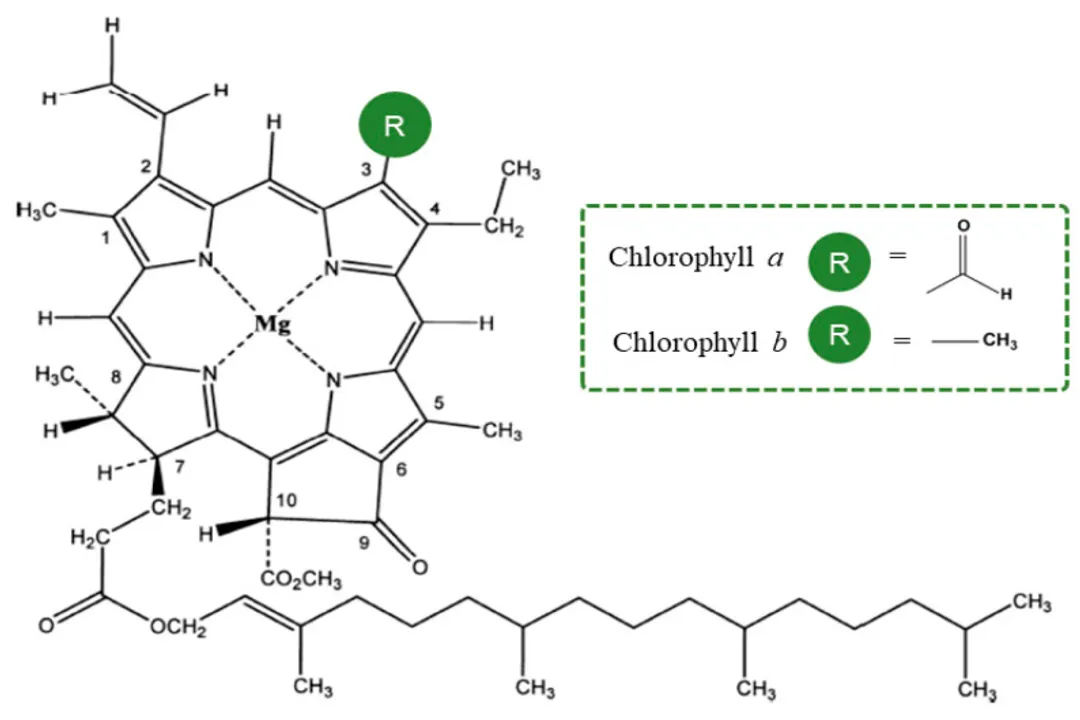
The vibrant green hue that saturates the plant world holds more than just aesthetic appeal; it’s the essence of photosynthesis, the process that fuels life on Earth. This critical compound, chlorophyll, has become a popular ingredient in dietary supplements, often touted for a wide array of internal and external benefits ranging from skin clarity to managing internal odors. While its fundamental role in plant biology is undisputed, understanding what this pigment—or its derivatives—can actually do for the human body requires looking closely at the available evidence, which spans from traditional uses to modern clinical investigation.
# Green Pigment
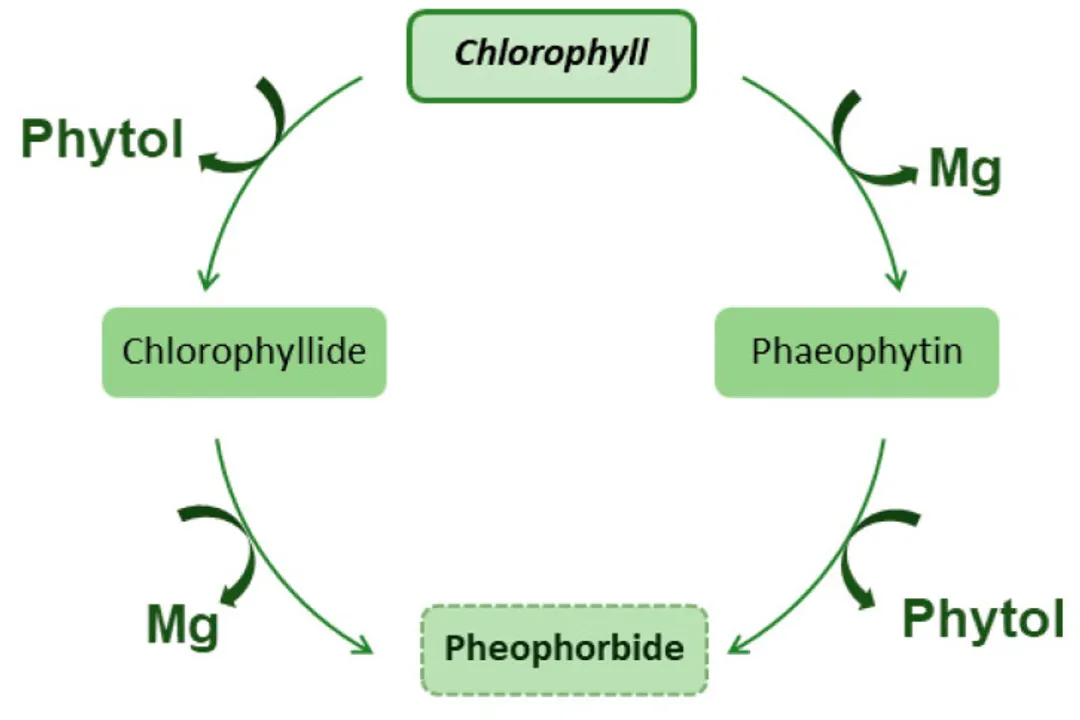
At its most basic, chlorophyll is the pigment that absorbs light energy for plants to convert into food. When discussing supplements, however, it is important to note a subtle but significant chemical difference. The chlorophyll found directly in leafy greens is often converted in supplements to a more stable, water-soluble derivative called chlorophyllin. This distinction matters because the scientific literature sometimes studies one form while consumer expectations are often set by the other. The semi-synthetic chlorophyllin is often the component marketed for its potential therapeutic uses.
# Body Odor Claims
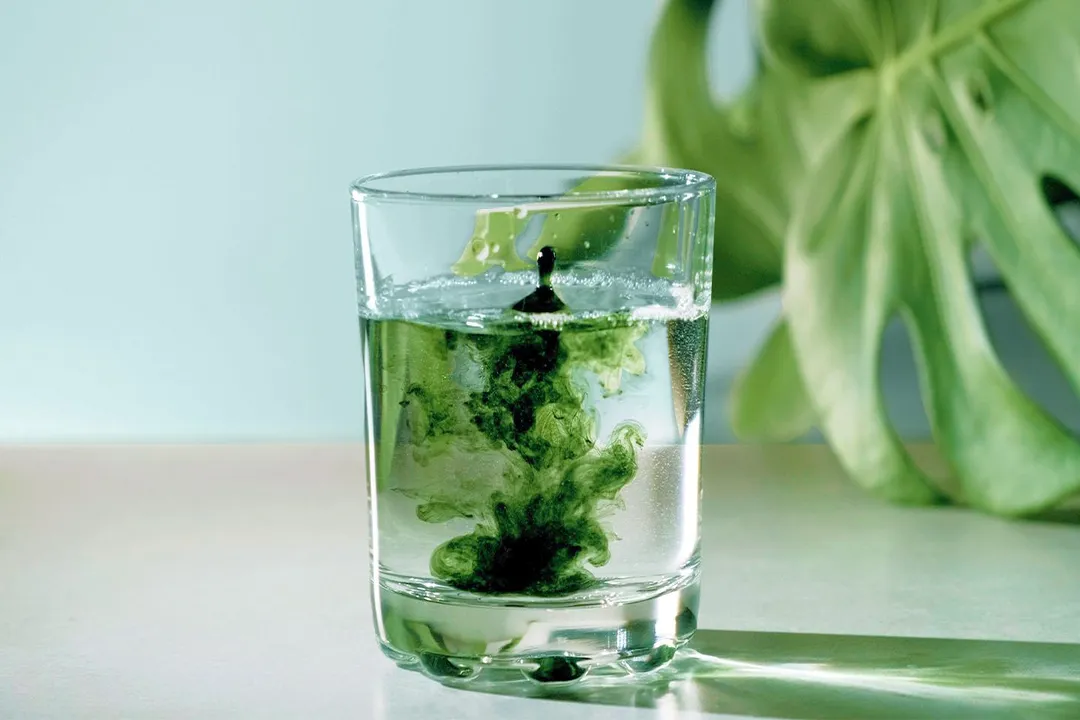
One of the most frequently cited applications for supplemental chlorophyll is its perceived ability to act as an internal deodorizer. Some older studies suggested that taking chlorophyll or chlorophyllin could help reduce odors associated with conditions like colostomy bags or certain metabolic issues, leading to its continued use for general body odor reduction. While the mechanism isn't fully mapped out in contemporary research, the theory often centers on its ability to bind to certain odorous compounds within the digestive tract before they are absorbed and expelled. This is different from an external deodorant, as it works from the inside out, influencing waste products like breath, sweat, or urine.

# Acne Wounds
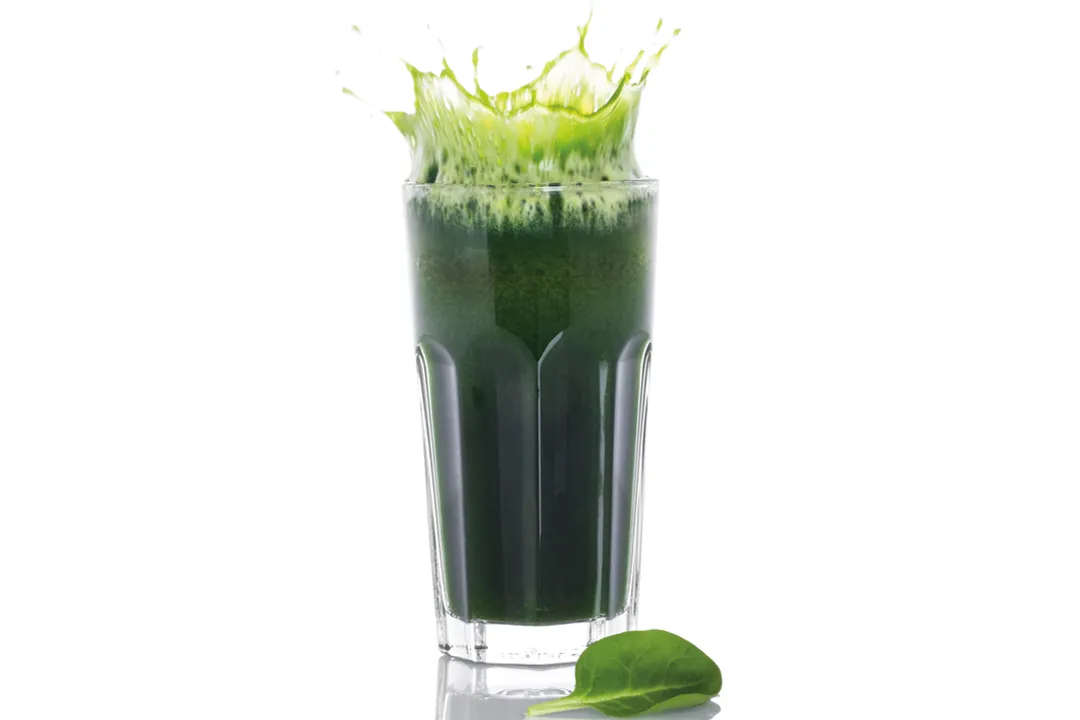
The use of chlorophyll externally and internally for skin health is another area that generates considerable interest. Topically, chlorophyll solutions have sometimes been applied directly to the skin, particularly for treating acne lesions or aiding in the healing of wounds. Some research has pointed toward potential anti-inflammatory properties that may calm irritated skin. Furthermore, there is suggestion that when applied topically, chlorophyll may reduce the appearance of pores and improve skin texture. When considering these applications, it’s worth noting that while the pigment itself is derived from plants, the concentration and carrier agents in topical treatments can greatly affect performance.
# Evidence Quality
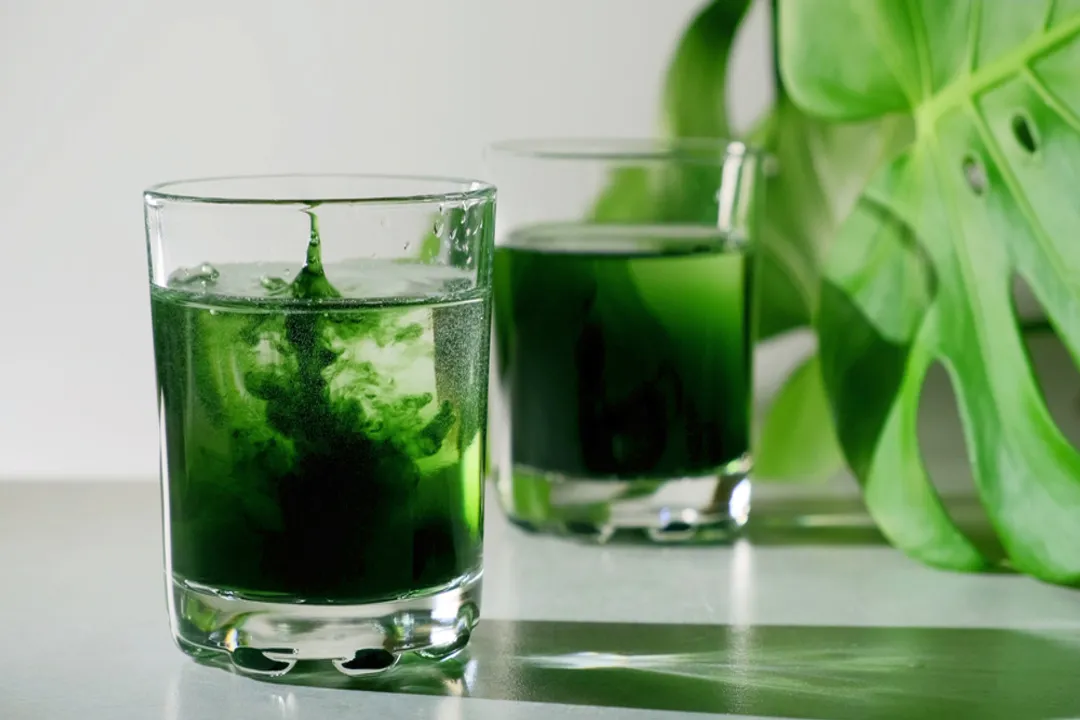
Despite the widespread popularity of chlorophyll water and supplements, the scientific backing for many of the grander health claims remains surprisingly thin, particularly concerning human clinical trials. Many experts point out that while research exists exploring its potential antioxidant capabilities or its role in wound healing, these studies are often preliminary, conducted in vitro (in a lab setting), or involve small groups. For instance, while chlorophyll is linked to antioxidant activity in general, demonstrating a strong, consistent, and superior antioxidant effect in humans through supplementation compared to simply eating vegetables requires more definitive proof. The general consensus among medical professionals is that more large-scale, randomized, controlled human trials are needed to confirm specific dosages and efficacy for most conditions.
When thinking about how much of this you are actually absorbing versus how much you are simply passing through, it is useful to consider the raw material. If you are aiming for general wellness, consuming leafy greens provides the natural pigment, which might be broken down quickly by the digestive system. The semi-synthetic chlorophyllin used in supplements is engineered for better stability and potential absorption, but the exact bioavailability remains an open question for the average consumer purchasing a generic liquid supplement. You might notice that the recommended serving sizes for liquid chlorophyll vary wildly between brands, which speaks to a lack of industry standardization for the active compound. A practical tip for anyone trying these concentrated liquids is to look beyond just the volume and try to find information regarding the concentration of the semi-synthetic derivative, as one 15mL dose might not equate to another.
# Side Effects Risks
For most healthy individuals, consuming the amount of chlorophyll found naturally in a diet rich in green vegetables is perfectly safe. When turning to concentrated liquid supplements, however, some mild side effects are possible. These usually stem from taking higher than recommended amounts. Common, though usually temporary, adverse reactions include nausea, digestive upset, or diarrhea. It is also common for high doses of liquid chlorophyll to cause a temporary, harmless green discoloration of the stool or even the tongue. It is crucial for individuals taking prescription medications to discuss supplementation with a healthcare provider, as the interaction profile for high-dose chlorophyllin is not fully established. Pregnant or breastfeeding individuals should also exercise caution and seek professional advice before starting any new supplement regimen.
# Getting Chlorophyll
Since the primary role of chlorophyll is fundamental to plant life, the most reliable and thoroughly researched way to ingest it is through whole foods. Think of foods like spinach, kale, parsley, and wheatgrass. These sources provide the pigment alongside a vast array of vitamins, minerals, and fiber that contribute to overall health, an advantage that no isolated supplement can perfectly replicate. If you find the taste of greens challenging, consider this: trying to achieve the perceived "deodorizing" effects simply by drinking vast amounts of water laced with liquid chlorophyll might lead to overhydration or digestive upset before yielding any clear benefit. A better approach might be integrating a modest amount of a concentrated green powder into a smoothie rather than relying solely on highly diluted liquid forms. This ensures you are also getting the benefits of the food matrix itself. Furthermore, cooking vegetables slightly can sometimes actually make the chlorophyll more available to your body by softening tough cell walls, something the supplement market bypasses entirely.
Related Questions
#Citations
Can chlorophyll supplements reduce my body odor and acne?
Health Benefits of Chlorophyll - WebMD
Enhancing Health Benefits through Chlorophylls ... - PubMed Central
Liquid Chlorophyll Benefits and Side Effects | Delta Dental
What does chlorophyll do for the body? - Evidation
Liquid chlorophyll: The miracle green? - OSF HealthCare
Drinking Liquid Chlorophyll: Side Effects and Potential Risks
Can Chlorophyll Supplements Benefit Your Health?
Benefits of Chlorophyll Water