What type of environment is typically associated with soft tick exposure, especially for *Ornithodoros* species?
Answer
Prolonged presence in specific structures like cabins or chicken coops.
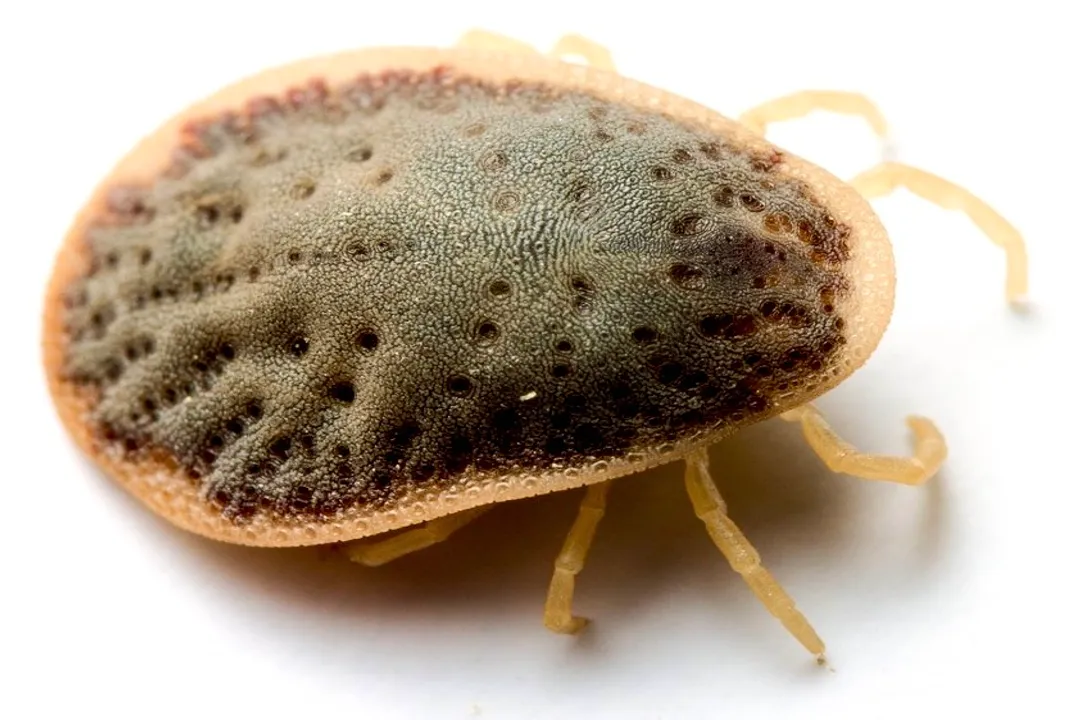
Soft tick exposure contexts differ markedly from hard tick bites. While hard tick bites frequently happen during daytime outdoor activities in woods or shrubby areas, soft tick encounters, particularly involving *Ornithodoros* species, are strongly linked to staying for extended periods in specific, often rustic, structures such as cabins, vacation rentals, or chicken coops where the ticks can establish secretive colonies unnoticed for long durations.
#Videos
Diseases transmitted by soft ticks Argasidae - YouTube
Related Questions
How do Argasid ticks differ physically from Ixodid ticks regarding their dorsal shield?What is characteristic of the blood feeding habits of Argasid ticks compared to Ixodid ticks?What is the significance of transovarial passage in soft tick-borne disease ecology?Which genus of spirochete bacteria causes Tick-Borne Relapsing Fever (TBRF) vectored by *Ornithodoros*?How does the transmission mechanism for TBRF often differ from typical hard tick-borne illnesses?What type of environment is typically associated with soft tick exposure, especially for *Ornithodoros* species?Which specific bacterium, causing Q fever, is frequently found in soft ticks inhabiting environments near domestic birds or livestock?Regarding fatality rates, how does untreated Argasid-borne TBRF generally compare to diseases commonly associated with hard ticks?Which *Ornithodoros* species are cited as significant vectors for TBRF in the US context?Why might clinical suspicion for a soft tick-borne illness arise only after the symptomatic period begins?