What is the ultimate objective of disease control strategies within a specified population?
Answer
Minimizing the health, social, and economic burdens imposed by health threats.
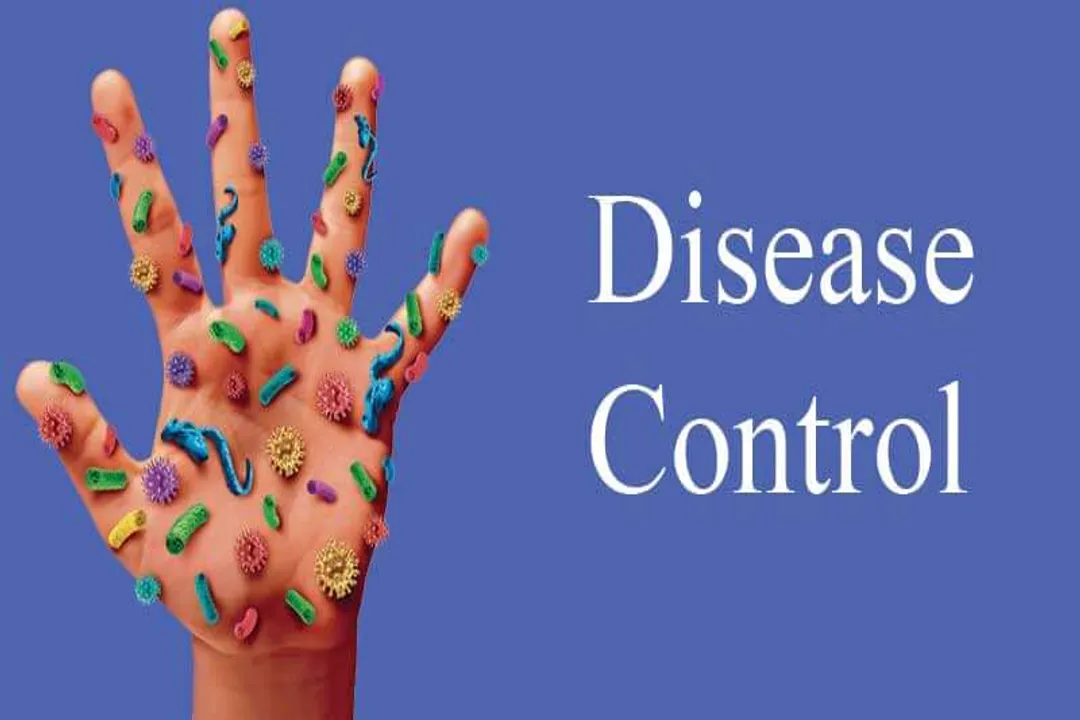
Disease control is a systematic application of strategies designed to reduce the overall impact of disease within a population, extending beyond immediate treatment. The overarching goal is not just clinical intervention for the sick, but a broad public health aim focused on minimizing the negative repercussions that health threats inflict upon society economically, socially, and in terms of overall health statistics like morbidity and mortality. While treating individuals is part of the overall health system, it is distinguished from the organized public-facing actions characteristic of true disease control efforts.
Related Questions
What is the ultimate objective of disease control strategies within a specified population?What is the function of disease surveillance in public health practice?Which level of prevention aims to stop a disease before it ever occurs, exemplified by vaccination programs?What defines the goal of Secondary Prevention efforts, such as screening tests?What must effective disease control for infectious diseases often hinge upon to limit spread?What is the defined mission of the Centers for Disease Control and Prevention (CDC)?For a chronic condition like Type 2 Diabetes, how is success in control measured over an extended period?How does Disease Management (DM) primarily differ from broad disease control regarding target populations?What logistical infrastructure is characterized as a core requirement for controlling a fast-moving communicable outbreak?What crucial human element is cited as the bedrock for successful population health intervention compliance?What specific role do state and local health departments perform in the hierarchy of disease control implementation?