What is disease control?
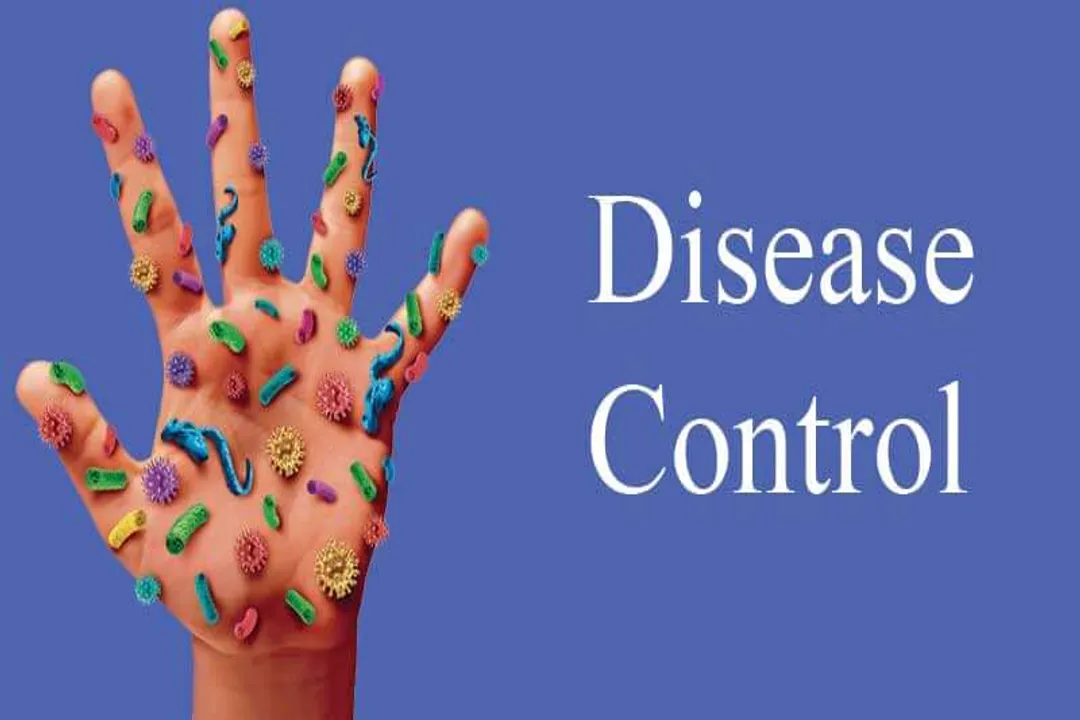
Disease control represents the systematic application of strategies aimed at reducing the incidence, prevalence, morbidity, or mortality of a disease within a specified population or environment. [1] It is not simply about treating sick individuals, which falls more into the realm of clinical medicine, but rather about organized, public-facing actions taken to interrupt the chain of infection or transmission for infectious diseases, or to manage and slow the progression of non-communicable conditions. [3] The ultimate objective is to minimize the health, social, and economic burdens imposed by health threats. [1]
# Defining Control
The actions encompassed by disease control are varied and often layered, reflecting the complexity of pathogen behavior and population health dynamics. [3] At its most fundamental, control involves limiting the spread of a health problem. [10] This can apply across the spectrum of health issues, from acute, highly transmissible infections like influenza or measles to long-term conditions such as diabetes or heart disease. [4][3]
For infectious diseases, control often hinges on understanding the pathogen’s lifecycle and finding the most effective intervention points. This might mean breaking the cycle between the reservoir (where the germ lives) and the susceptible host. [1] In contrast, managing chronic diseases, often termed disease management in a specific context, focuses heavily on patient adherence, lifestyle modification, and optimizing ongoing pharmacological treatments to prevent complications and hospitalization. [4] While the immediate urgency differs greatly—an outbreak demands immediate containment, whereas chronic care requires long-term engagement—both fall under the broad umbrella of keeping populations as healthy as possible. [3][4]
The scope of disease control is immense. In a broad sense, it involves everything from establishing hygiene standards to developing and distributing vaccines, and implementing screening programs. [1] It demands a blend of scientific knowledge, policy-making, public engagement, and logistical execution. [6]
# Core Mechanisms
Effective disease control relies on several interconnected operational components that work together to monitor, prevent, and respond to health events. [1]
# Surveillance and Monitoring
A prerequisite for control is knowing what is happening in the population. This is achieved through disease surveillance, which is the ongoing, systematic collection, analysis, and interpretation of health-related data essential to the planning, implementation, and evaluation of public health practice. [1] Surveillance systems collect data on cases, deaths, and risk factors, allowing health authorities to detect unusual increases in disease activity or emerging threats quickly. [10]
If surveillance reveals a concerning trend—perhaps a rise in hospitalizations linked to a specific respiratory virus, or clusters of a particular type of cancer in one geographical area—it triggers the next phase of action. [1] These systems must be reliable and timely; a delay in recognizing an emerging threat can have catastrophic consequences, especially with fast-moving communicable diseases. [6]
# Prevention Strategies
Prevention stands as the most proactive measure in disease control. These efforts are frequently categorized by the level of intervention:
- Primary Prevention: Aims to stop the disease before it ever occurs. Vaccination programs are a classic example, introducing immunity to prevent infection. [1] Sanitation improvements and health education campaigns also fall here.
- Secondary Prevention: Focuses on early detection and prompt treatment before symptoms become severe or the disease spreads further. Screening tests, such as mammograms or blood pressure checks, exemplify this approach. [1]
- Tertiary Prevention: Deals with managing an established condition to minimize disability and maximize quality of life, which overlaps significantly with disease management programs for chronic illness. [4]
In the context of communicable diseases, prevention often means implementing measures like isolation of the sick, quarantine of the exposed, and mandatory reporting laws for specific conditions, as seen in state-level public health actions. [10]
# Outbreak Response
When surveillance signals an active outbreak, the control shifts into an emergency response mode. [1] This involves rapid investigation to determine the source, mode of transmission, and who is at risk. Control actions then focus on immediate containment—for example, recalling contaminated food, closing down an infected site, or launching emergency vaccination drives. [10]
This responsive work requires personnel trained in epidemiology and emergency operations who can deploy quickly and communicate clearly with the public and stakeholders. [6] Understanding the local environment—like population density, healthcare accessibility, and typical social interaction patterns—is critical here. For instance, controlling an outbreak in a dense urban center requires completely different logistical solutions than controlling one in a remote, sparsely populated region, illustrating that national guidelines must be adapted meticulously to the local reality for true effectiveness. [1][10]

# Governing Agencies
Disease control is rarely managed by a single entity; it involves national bodies, international organizations, and local health departments working in concert. [9]
# The CDC's Role
In the United States, the Centers for Disease Control and Prevention (CDC) is a primary agency responsible for protecting public health and safety through the control and prevention of disease, injury, and disability. [5][7][2] It functions as the nation’s health protection agency. [8] The CDC’s mandate is broad, covering everything from tracking infectious disease trends across states to leading national health promotion efforts. [2]
The organization’s structure reflects this wide scope. It includes centers focused on specific areas like environmental health, injury prevention, and infectious diseases. [8] Furthermore, the CDC plays a crucial role in global health security, collaborating internationally, including through its participation in networks like the World Health Organization's Vaccine Safety Net (VSN) to monitor vaccine safety worldwide. [9] The CDC is defined by its mission to translate science into public health action. [5]
# Other Health Entities
While the CDC is central domestically, disease control is also enforced at state and local levels. [10] State health departments, like the one in New York, are charged with implementing and enforcing control measures for communicable diseases within their jurisdictions, which includes licensing facilities and investigating local outbreaks. [10] This creates a vital hierarchy: federal agencies like the CDC provide guidance, resources, and national coordination, while state and local offices execute the boots-on-the-ground work necessary for immediate impact. [8]
Internationally, the World Health Organization (WHO) sets global standards and coordinates responses to threats that cross borders, emphasizing the interconnected nature of health in a globalized world. [9]
# Disease Management Distinction
It is important to differentiate generalized disease control from the concept of disease management (DM), particularly as applied in managed care settings. [4] While both aim for better health outcomes, DM is usually a more targeted, systematic approach applied to patients with specific, often chronic, conditions like asthma, hypertension, or heart failure. [4]
Disease management programs emphasize:
- Assessment: Identifying patients at high risk of poor outcomes.
- Care Coordination: Ensuring timely delivery of appropriate care across providers.
- Education: Empowering patients to self-manage their condition effectively.
- Monitoring: Tracking progress against established clinical benchmarks. [4]
While disease control aims to prevent the population from getting sick (or stop an outbreak), disease management aims to keep an already sick population functionally healthy and out of the emergency room. [3][4] An analogy might be that control builds a strong protective wall around the city, whereas management provides specialized training and equipment to the soldiers stationed inside who are already engaged in battle against a chronic condition.
# Applying Control: A Real World View
Consider the difference in infrastructure required for these two major arms of control. For a communicable threat, the core requirement is speed, detection sensitivity, and the authority to implement rapid, sometimes disruptive, mandates (like closures or quarantines). [10] Success is measured in days or weeks—how fast can the transmission rate be reduced below one?[1]
For a chronic disease like Type 2 Diabetes, success is measured over years: maintaining an average HbA1c below a certain threshold for a cohort of thousands of patients across a region. [4] This requires sustained, nuanced communication, access to pharmacy benefits, and integration with primary care providers rather than emergency response teams. A failure in chronic disease management isn't usually a sudden crisis, but a slow, costly erosion of patient quality of life and increased strain on long-term care resources. [4] The difference in required infrastructure is key: one needs rapid deployment logistics, the other needs deep, consistent data integration within existing healthcare delivery systems. [6]
# Community Engagement and Trust
None of the scientific or logistical efforts of disease control can succeed without public cooperation. This is an area that often gets less attention than laboratory science or epidemiological modeling, yet it is the bedrock of successful population health intervention. [6]
Control measures often require individuals to change established behaviors—to get vaccinated, to wear masks, to seek testing when asymptomatic, or to adhere to complex medication schedules. [1] When public trust in the controlling agencies—be they local health boards or the national CDC—is high, compliance tends to be high, making interventions smoother and more effective. [8] Conversely, if there is a breakdown in communication or perceived political interference, even the most scientifically sound control measure can fail due to widespread non-adherence. [6] The authenticity of the public health message, coming from trusted local voices, is just as important as the accuracy of the underlying science when it comes to achieving true community-wide control. [10]
This reliance on public buy-in suggests that building strong relationships before a crisis hits is an essential, yet often underfunded, aspect of long-term disease control strategy. Investing in community health workers who live and work in the target populations can significantly improve the delivery and reception of control messages, offering expertise that centralized agencies sometimes lack. [1] The data collected by these boots-on-the-ground contacts provide invaluable ground-truthing for the broader surveillance systems used by organizations like the CDC. [8]
Related Questions
#Citations
Disease Control - an overview | ScienceDirect Topics
CDC: Centers for Disease Control and Prevention
Disease - Control, Prevention, Treatment | Britannica
Disease Management | AMCP.org
Definition of Centers for Disease Control and Prevention
US Centers for Disease Control and Prevention and Its Partners ...
Centers for Disease Control and Prevention (CDC) | USAGov
Centers for Disease Control and Prevention - Wikipedia
Centers for Disease Control and Prevention (CDC)
Communicable Disease Control