What is the consequence of using hydrogen peroxide on an open wound regarding the healing timeline?
Answer
It actually slows down the natural healing trajectory
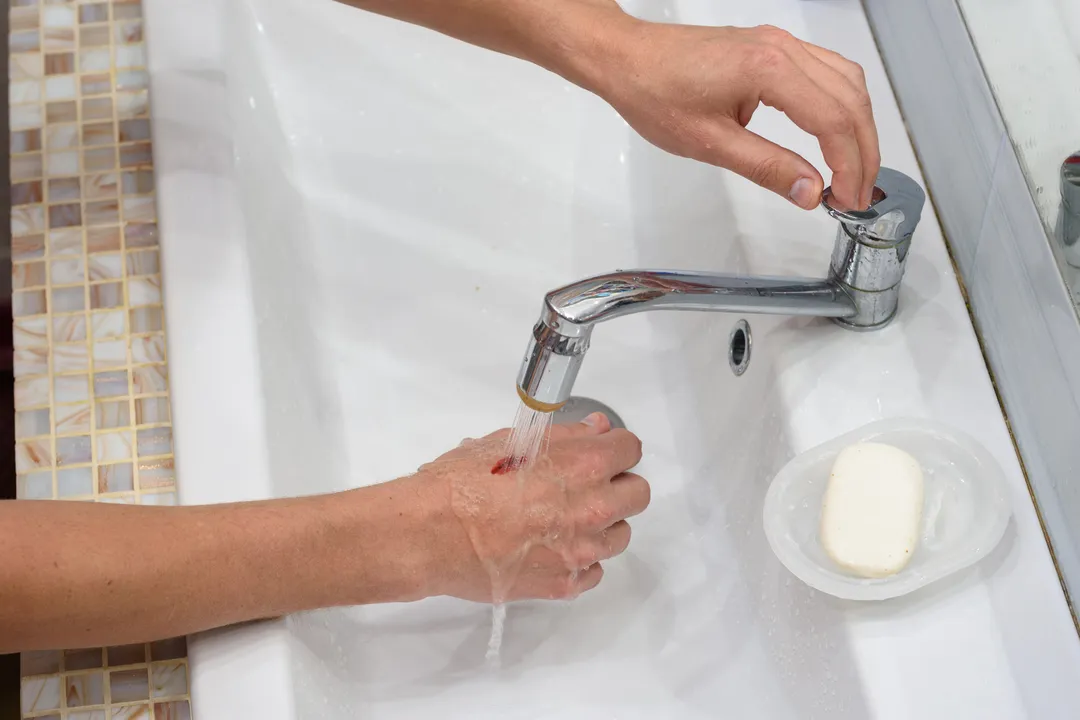
Although the immediate bubbling action appears to be aggressively cleaning the wound, the chemical reaction damages the delicate cellular machinery required for recovery. By destroying necessary cells like fibroblasts, the process removes the very components needed to build new tissue and close the injury. While some surface pathogens might be eliminated, the collateral damage inflicted upon the wound bed creates a significantly less favorable environment for recovery, meaning the overall timeline for the wound to heal properly is prolonged rather than shortened.
Related Questions
What enzyme is responsible for breaking down hydrogen peroxide into water and oxygen gas upon contact?Which specific cells vital for wound repair are destroyed by the indiscriminate action of topical hydrogen peroxide?What essential role do fibroblasts play in the process of closing an open wound?What is the preferred cleaning agent recommended for irrigating a minor wound to flush out debris?Why are containers for hydrogen peroxide typically colored amber or brown?What severe internal complication can result from the rapid oxygen release caused by ingesting 3% hydrogen peroxide?What is the consequence of using hydrogen peroxide on an open wound regarding the healing timeline?What common household cleaning task is hydrogen peroxide suitable for, given its role as an oxidizer?What gentle cleaning method is usually sufficient for clearing surface dirt and debris from minor injuries?Why does the visible effervescence of hydrogen peroxide often mislead users regarding its effectiveness on a wound?