What medicine is coral used for?
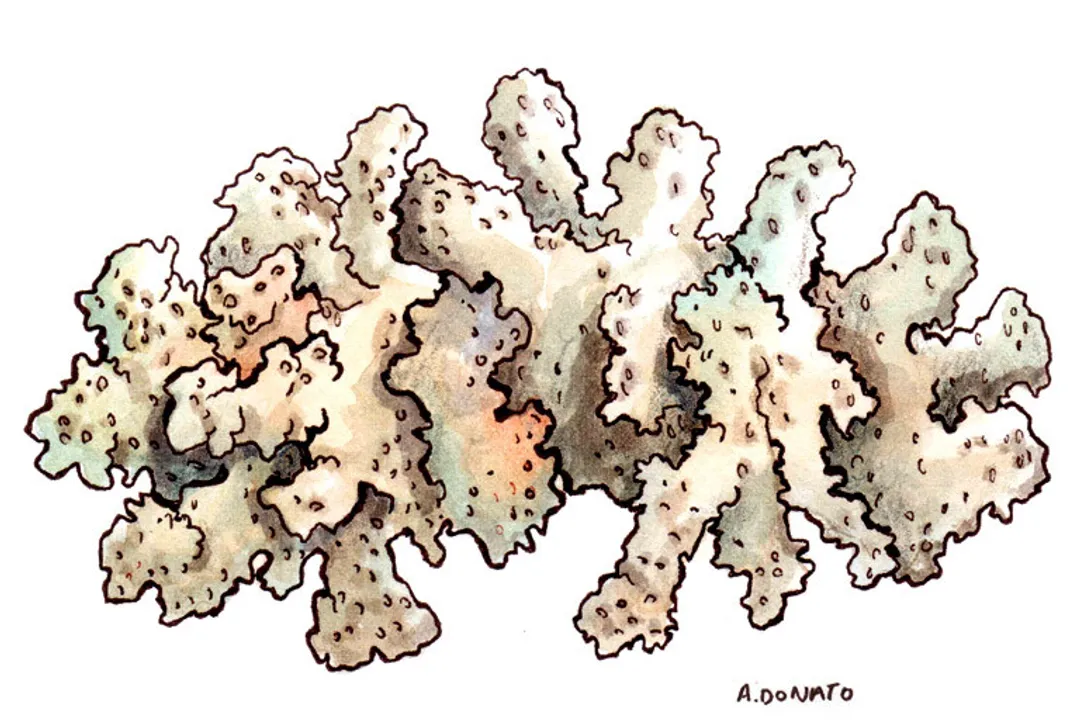
The realm of medicine extends far beyond the ingredients found in traditional pharmacies, often reaching into the natural world's most vibrant ecosystems, such as coral reefs. While the image of coral might conjure thoughts of tropical beauty or skeletal structures in an aquarium, these marine invertebrates and their calcium-rich remains have found a place in human health discussions, largely categorized into two distinct areas: nutritional supplements and sources for novel pharmaceutical discovery.
# Coral Calcium
The most frequently encountered medicinal application of coral is its commercial availability as Coral Calcium. This product is marketed primarily as a dietary supplement intended to boost calcium intake. Calcium itself is vital for numerous bodily functions, including bone health, nerve signaling, and muscle contraction.
Coral Calcium is fundamentally composed of calcium carbonate, the same compound that makes up common chalk, limestone, and oyster shells. However, proponents often emphasize that coral-derived calcium offers a subtle advantage: the inclusion of trace minerals. The skeletal structure of marine organisms like coral naturally incorporates a wide spectrum of trace elements from the seawater in which they grow.
When examining specific product labels, the elemental breakdown can reveal important context. For instance, some formulations of Coral Calcium tablets are standardized to provide of calcium carbonate per unit. This data point offers consumers a way to gauge dosage relative to the general Recommended Dietary Allowance (RDA) for calcium, which often hovers around for adults. If an individual relies solely on these specific tablets, they would need to consume several units daily just to meet the basic calcium requirement, emphasizing that it functions as a source of calcium rather than a complete health solution on its own.
# Chemical Composition
The chemical makeup of coral is what lends credence to its use, both traditional and modern. The dominant component is, as established, calcium carbonate, but the complexity lies in the accompanying elements. The material contains various trace elements, and the organic matrix that holds the structure together also contributes to its overall composition.
Research into the pharmacology and toxicology of coral material has been ongoing, examining its potential beyond simple mineral replacement. In traditional medicinal practices recorded across different cultures, coral has been historically applied for properties such as pain relief (analgesic) and reducing inflammation (anti-inflammatory). Furthermore, some scientific inquiry has explored potential anti-cancer activities associated with compounds derived from marine sources, including certain corals.
It is crucial to distinguish between the established role of coral as a source of calcium—a widely accepted need—and the unproven or preliminary research regarding its more complex pharmacological effects. Many supplements containing coral calcium are promoted with claims suggesting superior absorption or bioavailability compared to synthetic or non-marine sources of calcium. While trace minerals are present, the scientific consensus often requires more specific clinical trials to validate that these trace elements, in the context of the coral matrix, provide a significant, measurable health benefit over taking a standard calcium carbonate supplement supplemented with other necessary vitamins, like Vitamin D.
# Navigating Health Claims
The market for natural supplements thrives on the promise of purity and comprehensive nutrition, and Coral Calcium often sits at the center of this appeal. Organizations like Memorial Sloan Kettering Cancer Center address these products primarily in the context of integrative medicine, viewing them as an alternative calcium source. The listings for coral calcium often group it with other calcium salts based on its primary function, such as calcium carbonate.
When considering the purchase of a coral-based supplement, consumers face a choice based on marketing versus verified science. If the primary goal is simply addressing a diagnosed calcium deficiency, established, well-researched sources are often recommended by mainstream healthcare providers. If the interest lies in obtaining the unique profile of trace minerals attributed to the coral structure, an individual must weigh that benefit against the cost and the current lack of definitive, large-scale clinical evidence supporting superiority.
A practical consideration when evaluating any calcium supplement, including coral-derived types, is the actual amount of elemental calcium delivered per serving relative to the body’s needs. It is helpful for consumers to remember that regardless of the source—be it rock, shell, or coral skeleton—the body must process the calcium carbonate compound. A savvy consumer should cross-reference the stated calcium content against their own dietary needs and compare the listed trace minerals against the Recommended Dietary Allowance (RDA) for those specific elements, rather than accepting generic claims of 'better absorption' without clinical proof, as the elemental analysis dictates true nutritional contribution. This analytical approach ensures that supplement choices are based on measurable inputs rather than marketing narratives.
# Medicine from Living Reefs
A different, more profound medical application of coral involves the living reef ecosystem itself, rather than the processed calcium from dead coral skeletons. Reefs are recognized globally as a significant reservoir for undiscovered chemical compounds with potential pharmaceutical value. Marine organisms, including corals and the myriad of organisms living within the reef structure, produce complex biochemicals as defenses, communication signals, or structural components.
Bioprospecting—the search for useful natural compounds—has yielded promising leads from the marine environment for decades. These organisms produce unique compounds that medicinal chemists can study as scaffolds for creating new drugs targeting infections, inflammation, or cancer. The sheer biodiversity of a healthy reef suggests that an immense number of unstudied chemical blueprints for future medicines are locked within its structure.
The race to identify and synthesize these compounds underscores the critical link between environmental health and medical advancement. The ongoing degradation and loss of coral reefs due to climate change and pollution pose a severe threat not just to marine life, but to human health security by eradicating potential medical breakthroughs before they are even documented. A practical, albeit simplified, way to view this is that every acre of healthy reef lost could equate to losing hundreds of unique chemical compounds that might have become the next generation of antibiotics or pain relievers, making reef preservation an issue of proactive public health security, not just ecological concern.
The research field looking into these natural sources is active, examining everything from the mucus of soft corals to the hard structures themselves for compounds exhibiting interesting biological activity. This effort represents the cutting edge of medicine sourcing, contrasting sharply with the well-established, albeit often debated, role of calcium supplements derived from the coral skeleton itself. While Coral Calcium addresses known nutritional gaps, the living reef holds the promise of entirely new classes of therapeutic agents, provided the ecosystems remain viable long enough for scientists to study them.
Related Questions
#Citations
Coral - Uses, Side Effects, and More - WebMD
Medicine - Coral Reef Alliance
Corals and Their Potential Applications to Integrative Medicine - PMC
Coral Calcium: Benefits, Side Effects, and Safety - Healthline
Coral Calcium | Memorial Sloan Kettering Cancer Center
Coral Uses, Benefits & Dosage - Drugs.com
Coral Calcium 390 mg (as calcium carbonate 1,000 mg) tablet
The Application of Coral in Traditional Medicine and Its Chemical ...
The Bare Facts About Coral Calcium - Multiple Sclerosis Foundation