Do frailejones have medicinal uses?
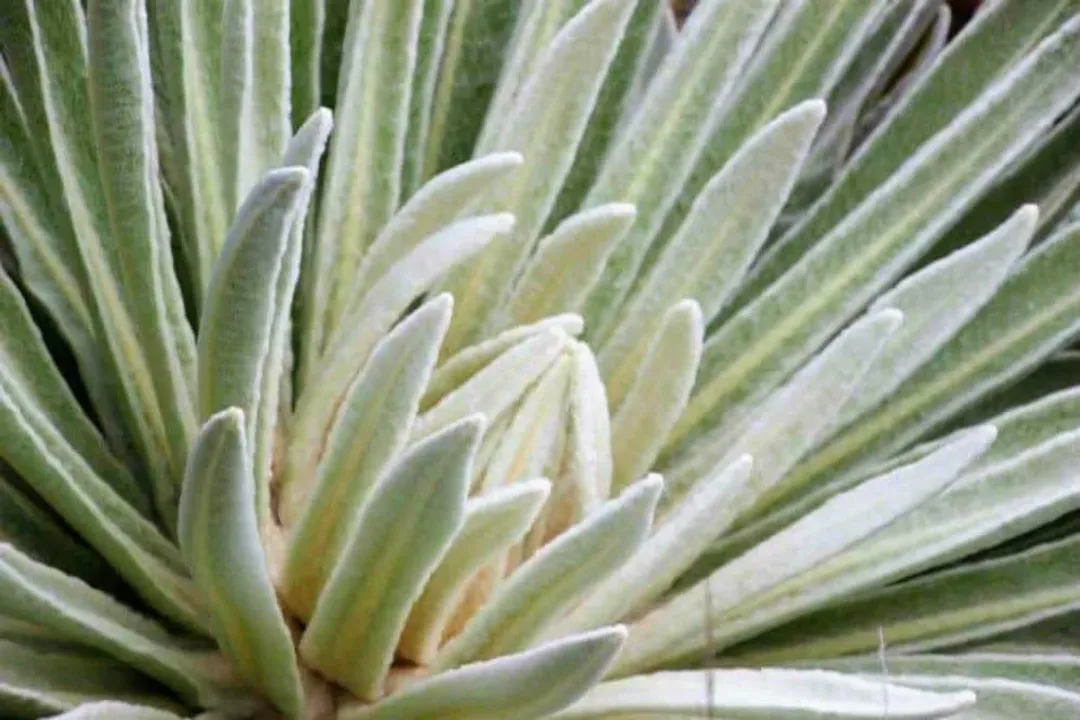
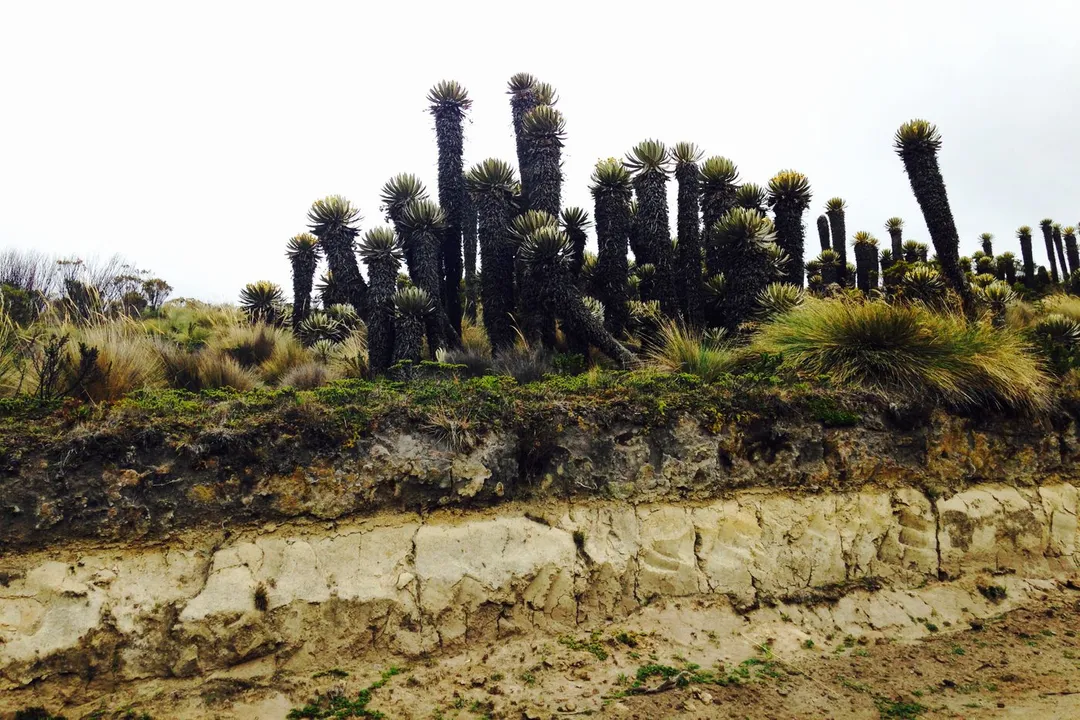
The tall, fuzzy plants known as frailejones often capture the imagination of anyone visiting the high Andes, appearing almost sentinel-like across the misty landscape. These members of the genus Espeletia are far more than just striking flora; they are integral to their high-altitude home, and local traditions often point to benefits beyond their renowned ecological services. The interest in whether these plants possess medicinal qualities is closely tied to the long history indigenous and local communities have had living alongside them.
# Traditional Claims
Reports from regions where these unique plants thrive suggest a heritage of traditional medicinal knowledge concerning the frailejón. Local communities have historically turned to the plant for various remedies, using specific parts or preparations for ailments that affect daily life in challenging mountain environments. [8]
One commonly cited traditional application involves preparing a simple infusion from the leaves. This tea is reportedly used to help soothe persistent coughs. [8] In a high-altitude environment where respiratory issues can be common, having a local, accessible remedy would naturally become integrated into community health practices.
Furthermore, the plant has found uses externally. Preparations made from the frailejón have been traditionally applied to the skin to address certain conditions, including burns and skin irritations like scabies. [8] This use suggests that the plant possesses some kind of demulcent or anti-inflammatory property, although scientific validation for these specific uses remains rooted in traditional practice rather than widespread clinical trials. It is important to recognize that while these traditional uses point to potential bioactive compounds, the specific chemical constituents and effective dosages are often known only to local healers and passed down through generations. [8]
# Water Function
Contrasting sharply with the very localized, human-centric medicinal lore is the massive, system-wide ecological function performed by the frailejones. These plants are essential to the entire Andean ecosystem, often described as the "water factories" of the mountains. [5] Their physical structure is perfectly adapted to capture the frequent mist and humidity common in the páramo. [3]
The thick, velvety, hairy leaves of the Espeletia species are key to this process. This dense layer of trichomes acts like a sponge, absorbing moisture directly from the air. [7] As this water drips down the leaves, it is channeled to the roots and slowly released into the soil, regulating the flow of water into rivers and streams. [5] This mechanism is so effective that many species are crucial for maintaining the water supply for down-valley cities and agriculture. [3][5] The ecological value of a single, mature plant, in terms of water conservation and supply stabilization, is immense, effectively acting as a slow-release reservoir for the entire region. [3]
It is interesting to observe that while the medicinal applications are rooted in treating immediate, individual discomforts—a cough, a rash—the ecological function is a service provided continuously to thousands of people through water regulation. The knowledge of the plant's value thus flows on two distinct levels: the immediate, tangible health support passed down through families, and the massive, less visible hydrologic support crucial for regional existence. [3][5]
# Species Names
The genus Espeletia encompasses many species, and different local traditions may have interacted with different varieties, leading to variations in reported uses or efficacy. Some of the specific types found across the páramos include Espeletia pycnophylla, [1] Espeletia schultzii, [2] and Espeletia tunjana. [4] While general knowledge attributes medicinal properties to "the frailejón," it is plausible that the concentration or type of active compound varies between these distinct species, much like how different mint species have slightly different profiles of menthol. [8]
# Habitat Threats
The very existence of these unique plant forms is under pressure, which, by extension, threatens any unstudied or traditional applications they might hold. A significant danger to frailejones is fire. [6] Often referred to by evocative nicknames like "Truffula trees," these plants are sometimes subjected to burning. [6] This destructive practice has immediate consequences for the páramo ecosystem, damaging the delicate soil structure and eradicating the slow-growing plants that are vital for water retention. [6] If the ecological structure collapses due to widespread burning, the plant populations available for local use, whether for traditional remedies or ecosystem services, will inevitably decline. The loss of the plant before its full chemical and medicinal potential can be documented represents a serious loss of biodiversity and ethnobotanical knowledge.
# Dual Value Summary
To better frame the significance of this plant, we can look at its value proposition across two main dimensions:
| Value Type | Focus | Mechanism | Immediacy of Effect |
|---|---|---|---|
| Ecological | Water Supply | Capturing mist via hairy leaves, slow soil release | Continuous, regional impact |
| Medicinal | Personal Health | Leaf tea for respiratory issues or topical skin treatments | Discrete, personal/local impact |
| Conservation Status | Habitat Stability | Vulnerable to fire and climate change | Long-term sustainability |
When considering the medicinal claims, it’s helpful to think about how small changes in the local climate or soil composition, perhaps from minor pollution or habitat disturbance (even short of outright burning), could subtly alter the plant's chemistry. A plant whose primary function is collecting environmental moisture might absorb trace elements from the air or soil, potentially changing the effect of its traditional preparation, making the purity of its habitat doubly important for those relying on it for health. [5] The reliability of the water factories, therefore, directly underpins the reliability of any potential traditional remedy.
The traditional uses, such as making a cough remedy from the leaves, suggest that the compounds responsible for any beneficial effects are likely concentrated in the dense, fuzzy leaf material. [8] Since the plant grows slowly in harsh conditions, harvesting must be done carefully to avoid damaging the long-term water regulation capabilities of the area. This necessity for careful, sustainable harvesting—even for traditional medicine—presents a practical challenge for communities attempting to preserve both their health practices and their environment simultaneously. [8][3] Preserving the high-altitude páramo ensures that both the ecological machinery keeps turning and that the ethnobotanical library remains accessible for future study or continued local practice.
Related Questions
#Citations
Espeletia pycnophylla - Useful Tropical Plants
Espeletia schultzii (Frailejon) | Top Tropicals Plant Encyclopedia
Why frailejones - Sumapaz Inc
Páramo, or water factories: a botanical phenomenon in the Andes
The burning of the truffula trees: Frailejones - Labroots
Introducing Frailejones: The Andes' Perfect Survival Plant
Medicinal powers of a páramo | The City Paper Bogotá
Espeletia, commonly known as 'frailejones' ("big monks"[2]), is a ...