What are caraway seeds used for medicinally?
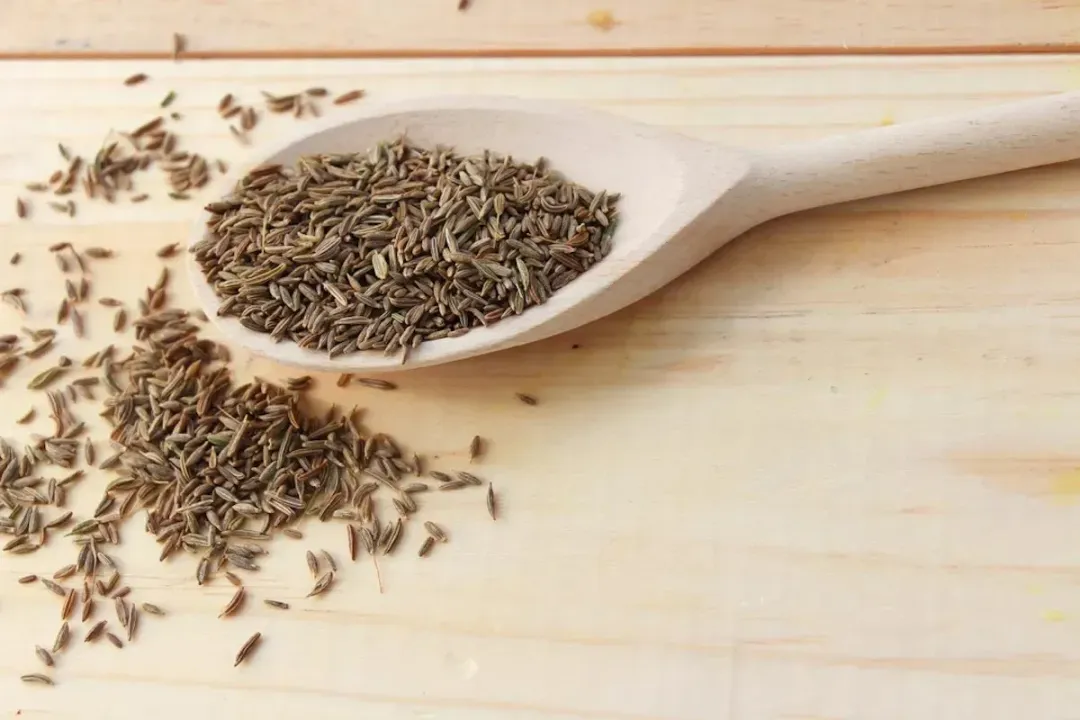
Caraway seeds, often mistaken for cumin due to their similar appearance, possess a distinct, slightly pungent, and warm flavor profile, making them a staple in rye breads and certain European cuisines. [1][3] Beyond their culinary appeal, these tiny crescents have a long history steeped in traditional medicine, primarily valued for their positive effects on the digestive system. [4][6] Modern study and ancient wisdom suggest that caraway’s power lies in its essential oils, which contain active compounds that offer soothing and beneficial actions within the body. [1][9]
# Digestive Aid
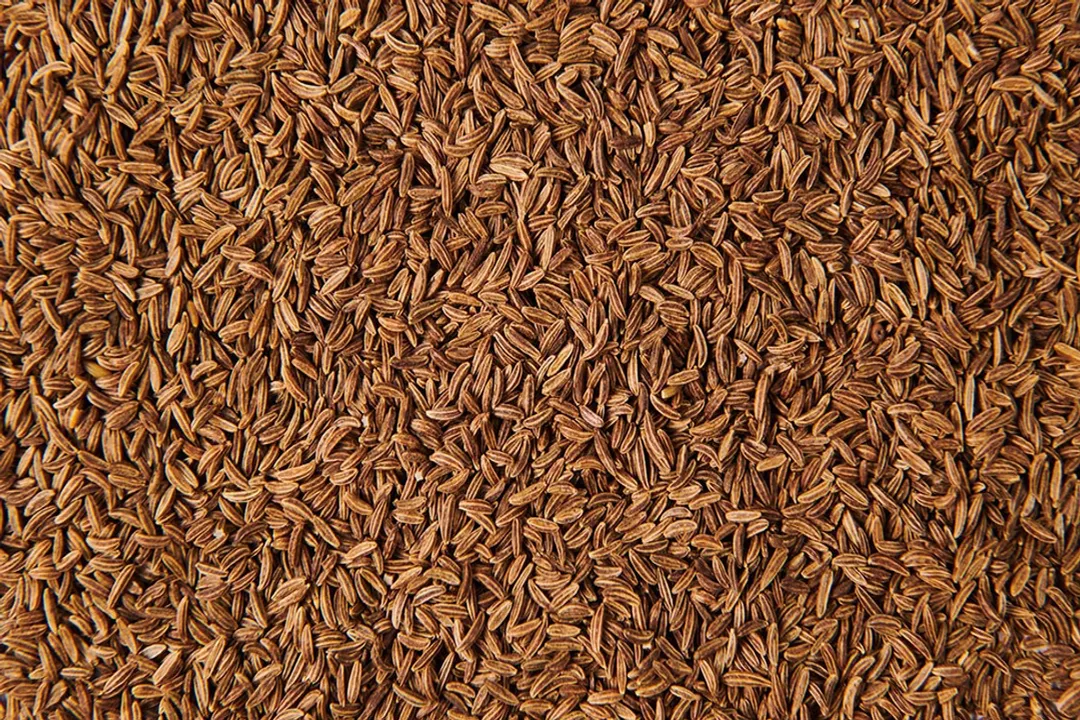
The most established medicinal application for caraway seeds centers on digestive complaints, offering relief for issues ranging from simple bloating to more persistent discomfort. [2][6] This traditional use is supported by the seeds' carminative properties, meaning they help expel gas from the gastrointestinal tract. [2][5] When the gut is churning out excess gas, caraway acts to soothe the digestive tract, easing the accompanying pressure and painful cramping. [4]
# Gas and Bloating Relief
Caraway seeds are frequently recommended to combat flatulence and the uncomfortable feeling of being distended after a meal. [4][6] The mechanism behind this relief often involves the volatile oils found in the seeds, such as carvone and limonene. [1] These components can help relax the smooth muscles of the digestive tract, which is helpful because spasms in these muscles can trap gas and cause pain. [9] By encouraging the relaxation of the gut lining, the trapped gas can move through the system more easily. [4] This antispasmodic effect is a key reason why chewing on caraway seeds after a heavy meal, or consuming foods seasoned liberally with them, is a time-honored practice. [9]
# Indigestion Support
For those struggling with general indigestion, caraway also shows promise. [2][5] It is sometimes described as stimulating appetite and promoting healthy digestion overall. [2] In traditional herbalism, it has been used to help the body break down food more efficiently, potentially by stimulating bile flow or digestive secretions, although specific modern clinical evidence for all these mechanisms varies. [9] It is important to note that caraway preparations are often used for dyspepsia, a term that encompasses general stomach upset or discomfort after eating. [5]
# Stomach Upset
Beyond gas and bloating, caraway extracts or teas have been employed historically to soothe minor stomach aches. [4] Some research suggests that preparations containing caraway, often combined with peppermint—a common pairing that amplifies the soothing effect—can alleviate symptoms of functional dyspepsia. [5] This dual-action approach, combining caraway's antispasmodic benefits with peppermint’s muscle-relaxing qualities, demonstrates a synergistic effect often valued in herbal medicine. [9]
# Rich in Beneficial Compounds
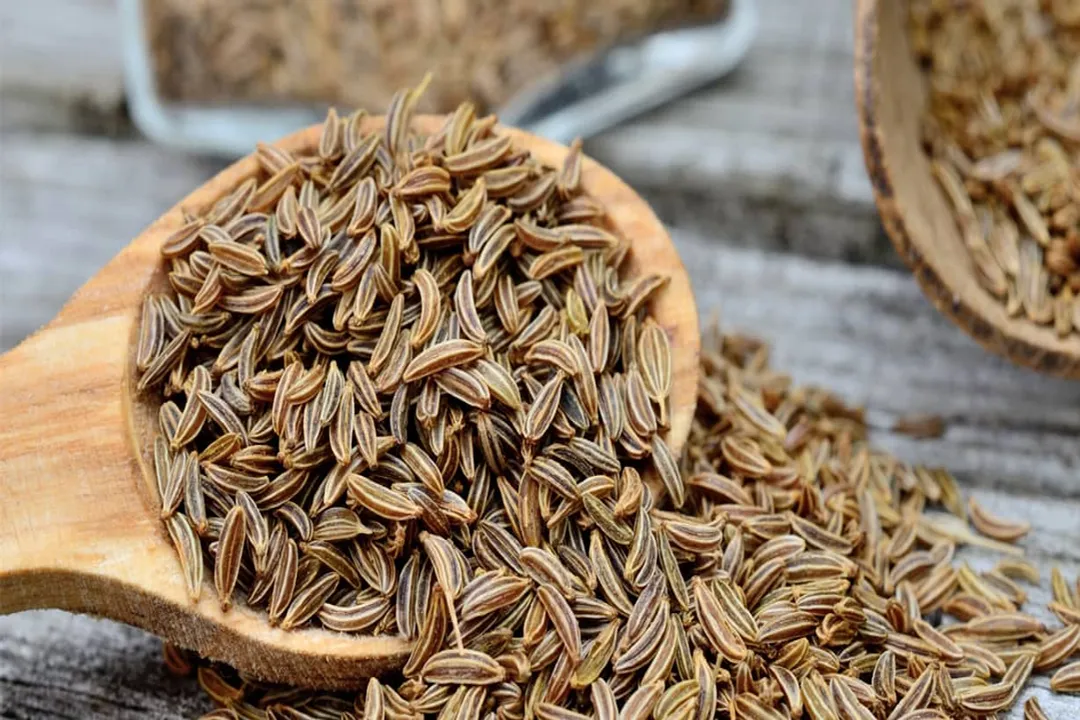
The medicinal value of caraway isn't just in its traditional application; it stems directly from its phytochemical composition, which includes essential oils, fixed oils, and various bioactive compounds. [1][9] Understanding these components helps explain why the seeds work.
# Essential Oils Profile
The essential oil content is the most pharmacologically interesting aspect of the caraway seed. [9] As mentioned, carvone and limonene are primary components. [1] Limonene, for instance, is a common terpene found in citrus rinds and is known for its potential anti-inflammatory and antioxidant activities. [1] Carvone contributes significantly to the distinct flavor and is believed to contribute to the carminative effects. [1][9] The specific ratio of these oils can vary based on where the caraway is grown and how it is harvested, meaning that the potency of home remedies can differ slightly depending on the source of the spice. [1]
# Antioxidant Activity
Caraway seeds also function as a source of antioxidants. [1] Antioxidants are substances that help protect the body’s cells against damage caused by free radicals, which contribute to aging and various diseases. [1] While caraway is not typically highlighted as the top source of antioxidants compared to berries or dark leafy greens, including it in the diet regularly provides a background level of protective compounds. [1] This steady intake of antioxidants, combined with the digestive benefits, contributes to overall wellness rather than targeting one acute illness. [9]
If you are incorporating caraway purely for its antioxidant boost rather than immediate digestive relief, grinding the seeds fresh just before use or brewing a strong tea may help release more of these beneficial compounds than simply chewing whole seeds post-meal, where they might pass through more quickly. [1] This technique maximizes the surface area for oil extraction.
# Antimicrobial and Antifungal Potential
In addition to soothing the gut, caraway seeds have demonstrated properties that can fight off unwelcome microorganisms. [1] Studies have explored the antimicrobial and antifungal capabilities inherent in caraway essential oil. [1] This suggests a potential role in inhibiting the growth of certain bacteria and fungi, though this research is generally conducted in vitro (in a lab setting) and does not necessarily translate directly to large-scale treatment of infections in humans. [1]
This antimicrobial aspect is often seen as a secondary benefit, contributing to a healthier internal environment by potentially limiting undesirable microbial overgrowth in the gut, which can sometimes contribute to symptoms like gas and irregularity. [9] Traditional preparations sometimes involved caraway for minor topical irritations, leaning on these mild cleansing properties, although internal consumption remains the primary medicinal route discussed. [4][5]
# Traditional and Modern Preparations
How one consumes caraway greatly influences the intended effect, whether seeking immediate relief or long-term digestive support. The methods range from culinary integration to more concentrated herbal preparations.
# Culinary Integration
For daily digestive maintenance, simply incorporating caraway into your regular diet is the easiest approach. [3] It pairs wonderfully with heavy, fatty foods—think of the classic pairing with cabbage, pork, or rich rye breads. [3] The seed acts as a functional seasoning in these cases, making the rich meal more easily tolerated by helping to break it down and mitigate subsequent bloating. [2] This integration is perhaps the most sustainable way to receive consistent, albeit low-level, therapeutic benefit. [2]
# Teas and Infusions
When more immediate relief from gas or mild indigestion is needed, an infusion or tea is the standard preparation. [4] To prepare this, one typically crushes or slightly mashes a small amount of the seeds—about one teaspoon—and steeps them in hot water for about five to ten minutes. [4] The heat helps release the volatile oils into the water, creating a pleasant-tasting, warm remedy. This warm liquid, combined with the carminative effect of the oils, often provides swift comfort. [9]
# Extracts and Supplements
Caraway is also available in concentrated forms, such as standardized extracts or tinctures, often sold as dietary supplements. [4][5] These are typically used when a person requires a more potent or consistent dose than what can be achieved through culinary use alone, or when dealing with more frequent digestive issues. [5] RxList notes that caraway supplements are often taken orally. [4] It is crucial, as with any concentrated herbal product, to follow the dosage instructions provided by the manufacturer or a qualified healthcare professional, as overconsumption of essential oils can be counterproductive. [5]
When comparing a commercial extract to a simple homemade tea, the extract is standardized for a higher concentration of active components, whereas the tea's strength is highly variable. [9] For acute, situational relief, the tea is convenient; for managing a chronic issue, a standardized supplement might offer more dependable results. [4]

# Safety and Contraindications
While caraway is generally recognized as safe when used in typical culinary amounts, and often well-tolerated in therapeutic doses, it is not without considerations, especially for certain populations. [5]
# Allergies and Sensitivity
As with any spice or plant-based product, allergic reactions are possible, though rare. [4] Individuals who are sensitive or allergic to plants in the Apiaceae family, which includes carrots, celery, dill, and anise, might have a cross-reaction to caraway. [4] Symptoms of an allergic reaction can range from mild itching or rash to more severe respiratory distress. [4]
# Pregnancy and Breastfeeding
Information regarding the safety of caraway in high, medicinal doses during pregnancy and while breastfeeding is less definitive, leading to necessary caution. [5] While traditional use might be minimal during these times, consuming it as a spice is usually considered safe. [5] However, because high doses of herbal remedies can have stronger effects on the body, pregnant or nursing individuals should consult with a doctor before using caraway extracts or consuming large quantities specifically for medicinal purposes. [5]
# Gastrointestinal Conditions
For individuals with specific, diagnosed gastrointestinal conditions, care should be taken. While caraway helps with gas, individuals with severe reflux or peptic ulcers should proceed cautiously, as stimulating digestion with high doses of any herb could potentially exacerbate symptoms if the underlying issue involves excessive acidity or erosion. [9] The mild antispasmodic effect is generally protective, but personal reaction always dictates the best course of action. [4]
# Distinguishing Caraway from Related Spices
A common point of confusion in the spice cabinet is differentiating caraway from similar-looking seeds, most notably cumin and anise. [3] While all three are used in traditional cooking, their medicinal profiles and primary flavors differ substantially. [1][3]
| Seed Type | Flavor Profile | Primary Medicinal Association (Traditional) |
|---|---|---|
| Caraway | Warm, slightly peppery, pungent | Digestive relief, carminative [1][4] |
| Cumin | Earthy, warm, slightly bitter | Iron source, digestive support [3] |
| Anise | Strong licorice flavor | Expectorant, mild digestive aid [3] |
This distinction is vital when trying to self-treat a specific ailment. If the goal is acute gas relief, caraway is the targeted traditional choice due to its noted antispasmodic action on the gut lining. [4][9] If one were to accidentally substitute cumin for caraway, they would still receive some digestive benefit, but likely miss out on the specific muscle-relaxing qualities attributed to caraway’s carvone content. [1][3] Similarly, substituting anise would bring a very different flavor and a more pronounced expectorant quality rather than the primary carminative focus of caraway. [3]

# Actionable Application Tips
To get the best results from caraway for digestive health, consider how you prepare and time your consumption. For example, if you know you are about to eat a meal notoriously hard on your system—perhaps one very high in legumes or cruciferous vegetables—chewing a small pinch of the whole, dry-roasted seeds immediately before or during the meal can preemptively coat the digestive tract and begin the carminative process before the gas builds up. [3] Roasting the seeds slightly—just until they become fragrant—enhances their flavor and may slightly alter the release profile of the volatile oils, making them more bioavailable upon chewing. [3] This small preparation step is an easy way to maximize the spice's traditional utility without resorting to supplements. Furthermore, if you suffer from morning sickness or general nausea, a very weak infusion of caraway steeped for only two minutes (rather than the five to ten recommended for gas) might offer gentle relief without overwhelming the stomach with strong flavor or too many active compounds all at once. [4] Always observe your body’s reaction when experimenting with the timing and strength of any herbal remedy.
Related Questions
#Citations
Caraway: Nutrients, Benefits, and Uses - Healthline
Caraway: Is It Good for You? - WebMD
What are Caraway Seeds: Uses, Substitute and Recipes - McCormick
Caraway: Health Benefits, Side Effects, Uses, Dose & Precautions
Caraway – Health Information Library | PeaceHealth
Caraway seeds in Polish cuisine for digestion aid - Facebook
Caraway Seeds Support Weight Loss, Blood Sugar & More - Dr. Axe
Caraway: 8 Health Benefits & How to Use (Tea, Essential Oil & Spice)
Caraway - Dr. Christopher Hobbs, Ph.D.