How is milkvetch traditionally used?
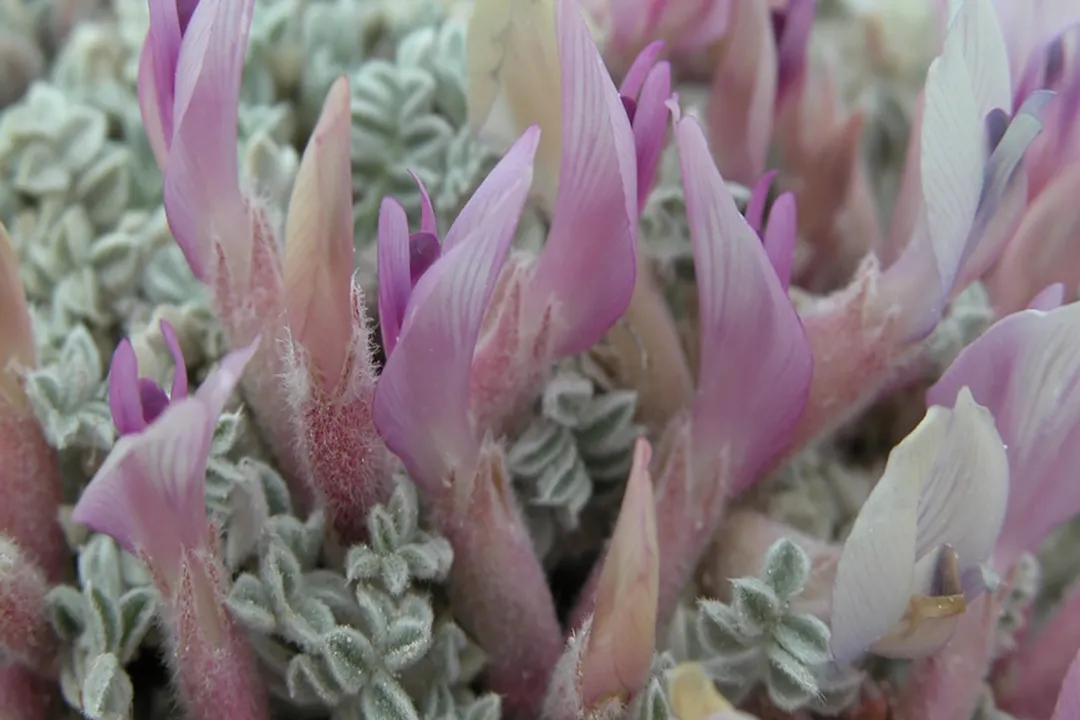
The Astragalus genus, commonly known as milkvetch, holds a venerable position in the world's traditional pharmacopeias, though its applications vary widely depending on which species is being referenced and the cultural context in which it is employed. While many members of this large group are known today for their ecological roles, such as enriching soil as nitrogen fixers or serving as forage for livestock, certain specific varieties have been highly valued for centuries in human health practices across different continents. The sheer diversity within the genus means that generalizing about "milk-vetch" use can be misleading; precise species identification is fundamental to understanding its historical role.
# TCM Foundation
Perhaps the most formalized and widespread traditional use of a milkvetch species belongs to Traditional Chinese Medicine (TCM), where Astragalus membranaceus, often referred to as Mongolian Milk-Vetch, holds significant standing. In TCM, this root is known by the name Huang Qi when discussing Astragalus propinquus or related forms, and it is considered a fundamental Qi tonic. The preparation usually involves using the dried root.
The systemic support attributed to this specific herb in TCM focuses heavily on building defensive energy and addressing chronic weakness. Practitioners have historically turned to it to support the immune system, particularly in preventative care or during recovery from long-term illness. Beyond immunity, its traditional applications often targeted symptoms of deficiency, such as chronic fatigue and generalized weakness. Furthermore, it was historically employed to manage issues related to fluid balance, specifically addressing edema, and to provide support for heart function. When incorporated into complex formulas, Mongolian Milk-Vetch is frequently combined with other herbs, suggesting its role is often supportive and additive rather than acting as a singular, powerful agent.
# North American Applications
Moving across the globe, the traditional approach to native North American milkvetches, particularly Astragalus canadensis or Canada Milk-Vetch, appears to have focused more on external applications and localized symptom relief, which contrasts quite sharply with the broad, systemic tonic nature attributed to the TCM varieties. Historical records indicate that certain Native American groups incorporated Canada Milk-Vetch into their medicinal toolkits.
Topically, preparations derived from this plant were often used to treat skin afflictions. This involved applying it as a poultice to address sores, which suggests properties that aided in soothing irritation or supporting the skin's natural healing process. Internally, the traditional indications were less frequently documented but point toward uses for specific discomforts, such as potential treatments for colic or even respiratory distress like asthma. An interesting detail regarding consumption is that the seeds of Astragalus canadensis were sometimes considered edible, though typically only when harvested young. This suggests that, within this specific indigenous context, careful preparation and plant part selection allowed for safe consumption where the TCM counterpart is universally recognized for its internal tonic qualities.

# Botanical Diversity
Understanding the traditional uses of milkvetch necessitates appreciating the enormous breadth of the Astragalus genus, which contains thousands of species. This vastness creates a critical fork in the road: on one side are the highly valued medicinal herbs, and on the other are species that are actively detrimental to animal health. For instance, while A. membranaceus is prized in Asia, species commonly known as locoweeds—which are also Astragalus varieties—are notorious for causing significant toxicity in grazing livestock.
Contrastingly, many other species are valued not for human medicine but for agricultural or ecological benefit. Species like Astragalus cicer (Chickling vetch) have been cultivated primarily as forage crops because they provide excellent feed and, crucially, act as effective nitrogen fixers in the soil, thereby improving land fertility. It is this very agricultural significance that often leads to the cultivation and study of these plants, even if they lack a long history of human medicinal use. Therefore, any study of traditional use must constantly cross-reference the specific Latin name against known toxicity profiles and documented ethnobotanical uses, rather than simply relying on the common name "milk-vetch".
# Navigating Specificity
The difference between systemic support in one tradition and localized treatment in another highlights a key aspect of ethnobotanical study: the specific preparation and target ailment often determine the perceived efficacy and safety. In TCM, the goal for the root of A. membranaceus is often long-term, strengthening the entire system against future stress. Conversely, the documented use of A. canadensis for wounds suggests a more immediate, symptomatic intervention.
This difference in application strategy—long-term systemic versus immediate topical/acute relief—provides a fascinating glimpse into how different cultures developed sophisticated ways to interact with local flora, even when those plants belonged to the same complex genus. It makes one wonder how many other species across the globe have subtle, localized uses that have been overshadowed by the fame of the major medicinal representatives like the TCM varieties.
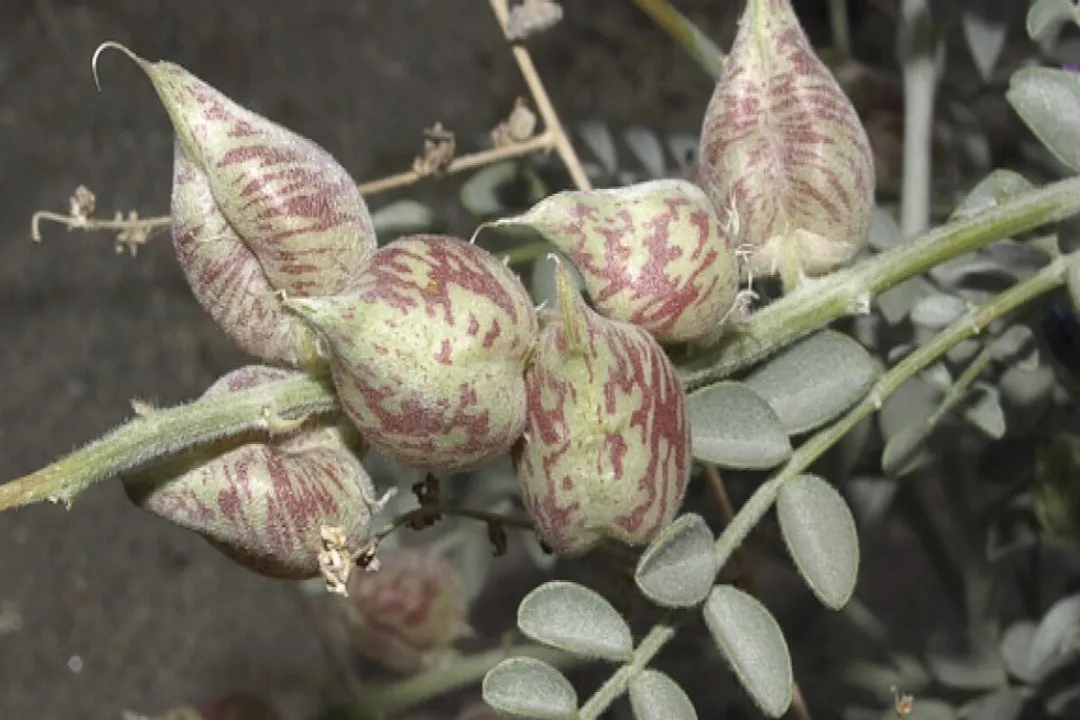
When moving from the established paths of TCM to investigating lesser-documented indigenous uses, it becomes paramount to acknowledge the potential for danger. Since the family includes potent toxins, any exploration into traditional plant use requires an absolute commitment to correct identification. If someone encounters an unfamiliar milkvetch in the wild, the safest step is to admire its structure—the pea-like flowers and distinctive seed pods—and appreciate its ecological role, but to never consider consumption or application unless the species has been definitively identified as one known to be safe and therapeutically relevant by experts or trusted historical records. For instance, knowing that Astragalus canadensis seeds are edible only when young offers a specific parameter that novices might easily overlook, potentially leading to consuming mature, tougher, or undesirable seeds. Maintaining this precise knowledge is the difference between honoring tradition and courting risk.
Related Questions
#Citations
Mongolian Milk Vetch (Huang zhi) - UTEP
Meet the marvelous milk-vetches | U.S. Fish & Wildlife Service
Astragalus cicer - Wikipedia
Astragalus canadensis Canadian Milkvetch, Shorttooth ... - PFAF.org
[PDF] BWSR Featured Plant - Minnesota Board of Water and Soil Resources
Astragalus canadensis
Purple Milk Vetch: Identification, Uses and Growing Tips
Astragalus pasqualensis - Uses, Benefits & Common Names
What The Heck is a Milk-Vetch? | Redefine - PBS SoCal